EPA's Tier 4 Delay: A Pivotal Deregulatory Turn with Overlooked Ripples Across Auto Manufacturing, Consumer Costs, and Climate Pathways
The EPA's proposal to postpone stricter vehicle emissions rules signals a major shift from Biden's EV-focused mandates toward market-driven choices, saving costs but drawing criticism for potential health impacts and slowed climate progress. Deeper analysis reveals ties to the repeal of the 2009 Endangerment Finding and risks to U.S. global auto competitiveness amid divergent international standards.
The Environmental Protection Agency's May 14, 2026 proposal to delay Biden-era Tier 4 vehicle emissions standards for light- and medium-duty vehicles by two years—from model year 2027 to 2029—represents more than a simple compliance extension. As detailed in the official EPA announcement, the move cites 'faulty assumptions' by the prior administration that electric vehicles would rapidly dominate new vehicle fleets, setting unrealistic targets for internal combustion engines. Administrator Lee Zeldin emphasized consumer rejection of mandated EVs, stating that 'freedom is the foundation of this nation, and this includes the freedom to choose the car you drive,' while projecting $1.7 billion in savings and hundreds of dollars per vehicle for families. Automakers would continue meeting Tier 3 standards, which the agency claims deliver up to 80% emissions reductions. This action is explicitly framed as Part 1 of a broader reconsideration of the Tier 4 program, with Part 2 expected to revisit the standards themselves.
This fits into a larger Trump administration deregulation wave. Earlier in February 2026, the EPA repealed the foundational 2009 Greenhouse Gas Endangerment Finding alongside associated vehicle GHG standards, claiming over $1.3 trillion in total savings. Combined with the 2025 Congressional Review Act disapprovals of California EV waivers, these steps dismantle key mechanisms that accelerated the EV transition. Bloomberg Law reporting notes the original Tier 4 rules targeted smog-forming pollutants like nitrogen oxides, particulate matter, and VOCs linked to asthma, heart disease, and premature deaths. Environmental groups counter that full implementation would have yielded over $140 billion in health benefits through 2055, per Environmental Defense Fund analysis, with the delay alone adding tens of billions in projected medical and productivity costs.
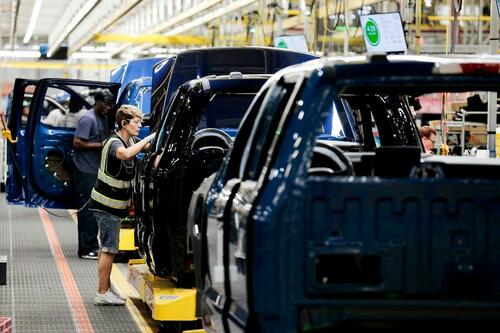
Deeper connections emerge in industry ripple effects often missed in coverage. Major manufacturers including GM, Ford, and Stellantis had already announced billions in EV-related charges and scaled-back electrification plans due to softening demand, high costs, and infrastructure gaps—validating the EPA's market-reality argument. Yet this relief may entrench focus on high-margin trucks, SUVs, and hybrids rather than full battery-electric lines. UC Davis researchers and industry analysts warn the U.S. risks becoming a global outlier as Europe and China maintain strict emissions regimes, potentially fragmenting supply chains, slowing battery tech innovation, and eroding long-term competitiveness in export markets. Traditional auto jobs may be protected short-term, but emerging EV and battery manufacturing employment could stagnate.
On climate and health policy, the overlooked long-term impacts are substantial. By slowing the shift away from tailpipe emissions, the policy intersects with broader questions about prioritizing immediate affordability against cumulative environmental and public health burdens—disproportionately affecting urban areas and children, as noted in statements from medical societies. While critics like Public Citizen highlight increased medical bills and gas price volatility for working families, proponents argue unrealistic prior mandates distorted markets and inflated vehicle prices. This deregulation pivot thus reframes the debate from top-down 'climate crisis' mandates toward consumer sovereignty and economic realism, but it may lock in higher future societal costs if EV adoption curves flatten permanently. As Part 2 rulemaking unfolds with public comments, the full extent of these heterodox trade-offs in industry structure, energy policy, and regulatory philosophy will become clearer.
LIMINAL: This rollback aligns regulations with current consumer preferences and eases manufacturer burdens for near-term savings, but it likely slows the EV supply chain buildup and entrenches higher long-term health and climate adaptation costs that could exceed projected industry benefits.
Sources (5)
- [1]EPA Proposes to Delay Unattainable Biden-era Vehicle Standards, Projecting $1.7 Billion in Savings(https://www.epa.gov/newsreleases/epa-proposes-delay-unattainable-biden-era-vehicle-standards-projecting-17-billion)
- [2]EPA Proposes Two-Year Delay of Biden-Era Tailpipe Emissions Rule(https://news.bloomberglaw.com/environment-and-energy/epa-proposes-two-year-delay-of-biden-era-tailpipe-emissions-rule)
- [3]Coming Soon: Trump EPA Expected to Delay “Tier 4” Air Pollution Standards for Cars and Trucks(https://www.edf.org/media/coming-soon-trump-epa-expected-delay-tier-4-air-pollution-standards-cars-and-trucks)
- [4]EPA Removal of Vehicle Emissions Limits Won’t Stop the Shift to EVs(https://www.ucdavis.edu/climate/news/epa-removal-vehicle-emissions-limits-wont-stop-shift-evs-will-make-it-harder-slower-and-more)
- [5]Consortium Statement on the EPA's Proposed Delay of Tier 4 Vehicle Emissions Standards(https://medsocietiesforclimatehealth.org/statements/consortium-statements/consortium-statement-on-the-epas-proposed-delay-of-tier-4-vehicle-emissions-standards/)