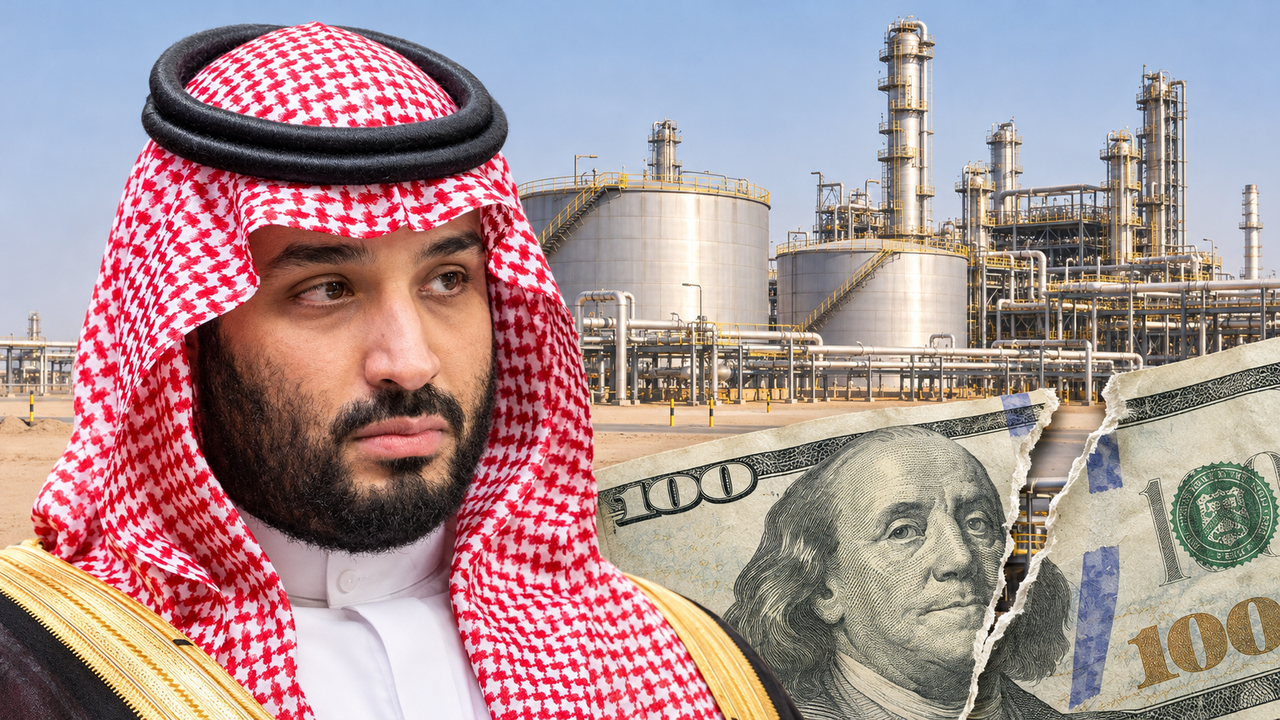
Doug Casey cites 5,000 princes, weapons spending in Saudi petrodollar warning
Doug Casey's interview argues that Saudi fiscal, political and Yemen-related pressures could threaten the petrodollar. He cites oil dependence, royal-family politics, military spending and Houthi strikes as risks. The piece matters because Saudi energy and dollar-linked trade are central to global finance.
In an interview, investor Doug Casey argued that Saudi Arabia's ruling family faces political, demographic and economic pressures that he said could threaten the monarchy and the petrodollar. Casey cited the kingdom's dependence on oil revenue, the size of the royal family, and the war in Yemen. He said the Houthis had struck Saudi oil facilities, airports and other infrastructure, and threatened shipping in the Red Sea. The assessment is an opinion, not an official government statement or confirmed intelligence finding.
Casey's evidence was mostly qualitative and historical. He said the Saudis were once one family among many, gained control through relations with Britain during and after World War One, and now rule through about 5,000 princes and attached clients. He described Crown Prince Mohammed bin Salman's economic reforms as liberalizing but fiscally damaging, and said billions had been spent on grandiose projects. He also cited Yemen's population growth from 4.3 million in 1950 to 35 million today, and said Sanaa had grown from about 55,000 in 1978 to a much larger capital.
The petrodollar is the arrangement under which much oil is priced and traded in U.S. dollars, creating demand for the dollar and supporting dollar-denominated reserves. Saudi stability matters because the kingdom is a major producer and holds large foreign reserves. Casey's Yemen argument is about asymmetric warfare: expensive Saudi weapons purchases are meant to deter or project power, but cheap drones and missiles can strike costly infrastructure. The ledger is two-sided: military spending buys security and modernization, while also draining fiscal space and exposing critical assets.
For global markets, the stakes are energy supply and reserve currency demand. A disruption to Saudi production or exports could raise oil prices, squeeze importers and alter inflation pressures. If confidence in Saudi fiscal or security management weakened, it could also affect how central banks and traders view dollar assets tied to oil trade. Casey's interview does not establish that collapse is imminent, but it places Yemen, fiscal strain and the petrodollar in the same analytical frame used by macro investors.
It matters because Saudi oil supply and dollar-denominated energy trade affect fuel prices, inflation and central-bank reserve choices. Casey's framing links military strain in Yemen to risks for that financial arrangement.
Sources (1)
- [1]Original source(https://www.zerohedge.com/energy/doug-casey-coming-collapse-saudi-arabia-and-what-it-means-petrodollar)