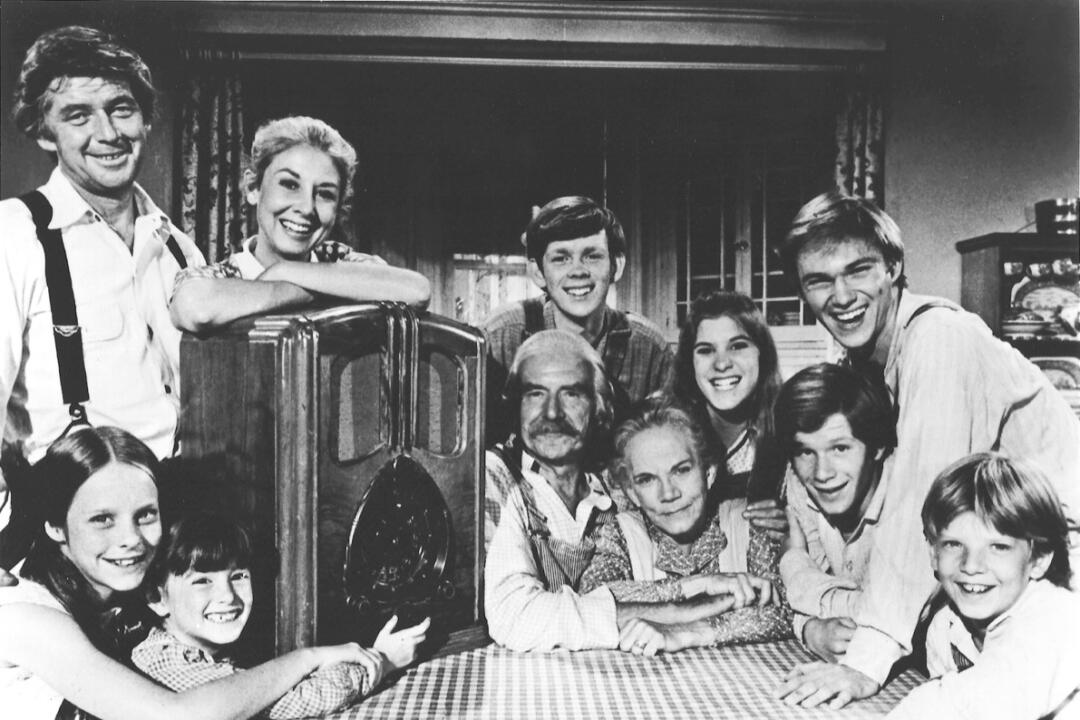
US Multigenerational Households Fall to 12% by 1980 as Social Security and Two-Income Model Reshape Living Arrangements
The documented contraction of multigenerational households after 1940 reflected institutional substitution via Social Security and the temporary viability of single-earner nuclear families. Reversal since 2010 tracks housing affordability thresholds and implies sustained pressure on sectors that priced in the nuclear model. Primary records tie these shifts directly to changes in transfer systems and labor-force participation rather than stated values.
Recent Census American Community Survey releases indicate a partial reversal since 2010, driven by housing-cost thresholds rather than cultural preference. States with the highest median home prices now record multigenerational rates above 18%. This pattern suggests the 1980-2010 decline was an equilibrium response to specific policy and wage conditions, not an irreversible secular trend.
Sources (3)
- [1]US Census Bureau Historical Statistics on Living Arrangements(https://www.census.gov/topics/families/families-and-households.html)
- [2]Social Security Act Legislative History and Amendments 1935-1939(https://www.ssa.gov/history/law.html)
- [3]Bureau of Labor Statistics Consumer Expenditure Survey Series 1980-2022(https://www.bls.gov/cex/)