Beyond the Boom: Noise Pollution Exposes Hidden Local Costs of Virginia's Data Center Surge
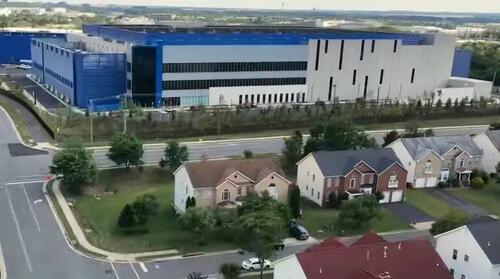
Vantage Data Centers' continuous generator noise in Sterling, VA, exemplifies unaddressed community costs amid Virginia's data center dominance, corroborated across mainstream reporting and tied to FERC grid policies favoring on-site power.
Residents in Sterling, Virginia, living adjacent to Vantage Data Centers' off-grid facility have reported persistent high-pitched whining from on-site natural gas turbines operating continuously for over a year, contradicting initial assurances of temporary emergency testing. Neighbors describe sleep disruption, stress, and diminished quality of life, with some resorting to mattresses against windows or plexiglass barriers while monitoring decibel levels themselves. Vantage maintains compliance with Loudoun County's 55 dBA residential limit, though county officials have received multiple complaints and formed a working group to reassess turbine noise measurement. This case highlights a pattern where data centers—287 operational across Virginia, concentrated in Loudoun County's 'Data Center Alley'—generate substantial tax revenue (nearly half of county property taxes) but impose unaccounted externalities like constant noise, especially when bypassing the grid via dedicated generation as encouraged by federal policy. Politico documented similar turbine whine issues at the site in March 2026, audible up to half a mile away, while local outlets like LoudounNow and WUSA9 reported escalating resident alarms and decibel readings exceeding perceived comfort thresholds. The June 18, 2026, FERC show-cause orders to grid operators underscore national tensions over large-load integration, aligning with resident calls for siting restrictions away from homes. Broader analyses note Virginia data centers consumed ~26% of state electricity in 2023, driving rate pressures, and reveal zoning shifts potentially easing noise rules for facilities like Vantage. These overlooked neighborhood impacts contrast with growth narratives, illustrating how AI infrastructure expansion prioritizes scale over localized environmental justice.
Local activists: Persistent siting conflicts will force stricter zoning buffers and noise-specific ordinances in data center-heavy regions within 18-24 months, shifting developer costs from communities to infrastructure planning.
Sources (6)
- [1]Noise of Virginia data center drowns out neighborhood(https://www.newsnationnow.com/the-hill/virginia-data-center-noise/)
- [2]A data center opened next door. Then came the high-pitched whine.(https://www.politico.com/news/2026/03/11/data-centers-ai-electricity-virginia-00815219)
- [3]As data center noise concerns grow, Loudoun Co. officials discuss possible mitigation efforts(https://www.wusa9.com/article/news/local/data/loudoun-county-officials-data-center-noise/65-45884219-750f-4d47-a660-71a20d8db001)
- [4]Sterling Residents Raise Alarms Over Off-Grid Data Center(https://www.loudounnow.com/news/sterling-residents-raise-alarms-over-off-grid-data-center/article_3481d7fd-11ef-4948-a951-8c4ee6e69f2f.html)
- [5]FERC Launches Aggressive Targeted Action to Speed Large Load Integration(https://www.ferc.gov/news-events/news/ferc-launches-aggressive-targeted-action-speed-large-load-integration)
- [6]Amid 'constant' data center noise, Sterling residents also worry about health impact(https://www.nbcwashington.com/news/local/northern-virginia/amid-constant-data-center-noise-sterling-residents-also-worry-about-health-impact/4091393/)