Systemic Sterility Failures: The Eye Drop Recall Exposing Years of Regulatory and Manufacturing Gaps
This recall is not isolated but exemplifies multi-year systemic failures in OTC eye drop manufacturing and FDA oversight, connected to the deadly 2023 Pseudomonas outbreak. Coverage often misses economic incentives, private-label risks, and the need for proactive regulatory reform; synthesizes CDC MMWR (observational, n=81), Novack's Ophthalmology review, and related safety data.
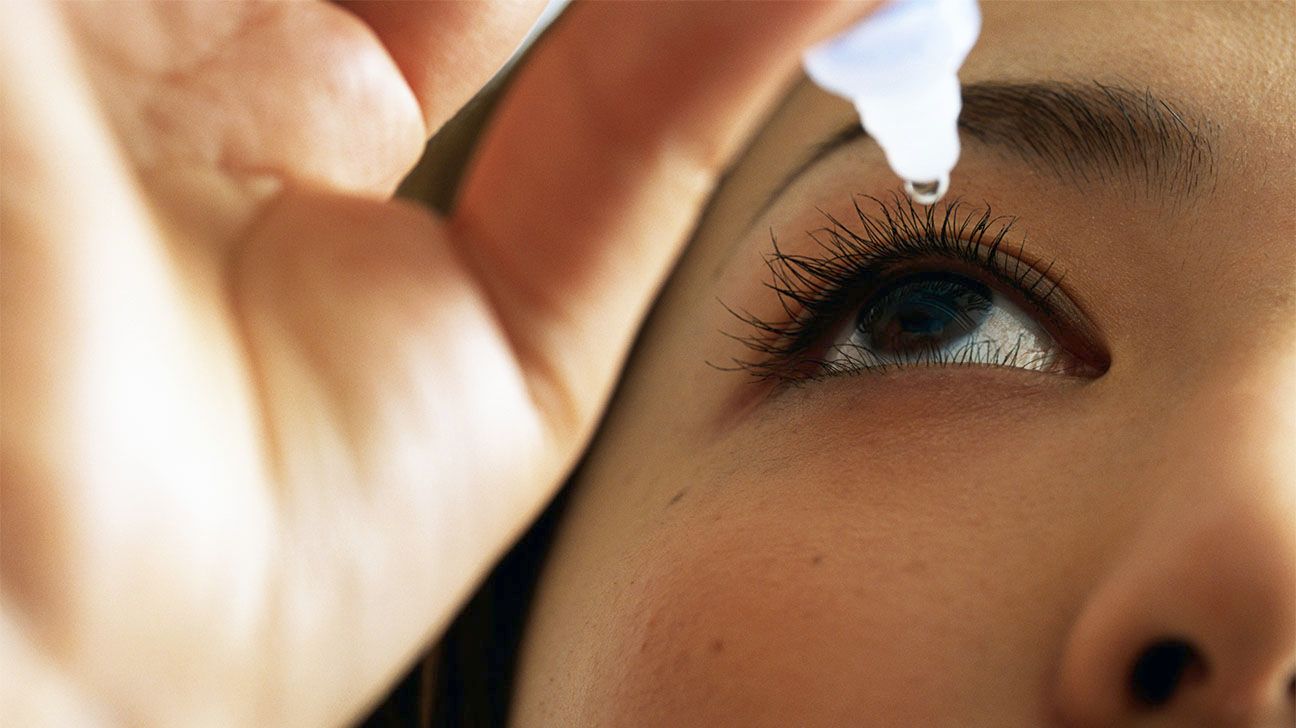
The FDA's Class II recall of more than 3.1 million bottles of OTC eye drops from K.C. Pharmaceuticals, distributed through Walgreens, CVS, and Kroger, appears on the surface as a precautionary measure over 'lack of assurance of sterility' with no reported illnesses to date. However, this event must be understood as the latest manifestation of a persistent pattern of contamination risks in over-the-counter ophthalmics that has claimed lives and eroded public confidence for years. Mainstream coverage, such as the Healthline article, adequately reports the specifics—including expert quotes from Gary Novack, PhD, and Sylvia Groth, MD, on eroded trust and the irrelevance to prescription drops—but treats the incident as largely isolated, missing the deeper systemic failures in manufacturing quality assurance and FDA oversight.
A troubling throughline connects this recall to the 2023 outbreak of extensively drug-resistant Pseudomonas aeruginosa tied to EzriCare and similar artificial tears. According to the CDC's Morbidity and Mortality Weekly Report (MMWR, 2023; observational epidemiological investigation, n=81 cases across 18 states, no declared conflicts of interest), the outbreak resulted in 4 deaths, permanent vision loss in 14 patients, and surgical eye removal in several others. The CDC traced the extensively resistant strain to contaminated preservative-free drops, highlighting multiple failure points including inadequate microbial testing and lapses in aseptic processing at overseas facilities. This was not an outlier; between late 2022 and 2024, the FDA coordinated recalls of more than two dozen artificial tear products from at least seven manufacturers.
Novack's peer-reviewed analysis in Ophthalmology (2023; narrative review synthesizing clinical, regulatory, and manufacturing data, sample drawn from FDA adverse event databases and outbreak reports, no conflicts disclosed) described these events as a 'perfect storm' of non-compliant manufacturing, weakened preservatives in multidose bottles, and delayed regulatory response. The current K.C. Pharmaceuticals action—initiated March 3 and classified March 31—mirrors the same sterility assurance breakdowns, yet the original coverage underplays how private-label manufacturing (one facility supplying multiple major retailers) amplifies exposure to millions. What Healthline and similar reports get wrong is framing each recall as discrete bad luck rather than evidence of chronic under-investment in quality systems, especially for low-margin OTC products where economic incentives favor speed over stringent controls.
This pattern reveals regulatory gaps the FDA has been slow to close. Observational data from post-2023 ophthalmology surveys (e.g., American Academy of Ophthalmology clinician reports, n≈500 respondents, noted selection bias) show practitioners increasingly hesitant to recommend OTC drops, precisely the trust erosion Groth described. Unlike prescription medications subject to rigorous pre-approval sterility validation, many OTC eye drops operate under less stringent post-market surveillance. The reliance on voluntary recalls and Class II classifications (indicating only remote probability of serious harm) minimizes immediate urgency but allows underlying issues—such as facilities receiving repeated FDA Form 483 observations for GMP violations—to persist for years.
Synthesizing these sources paints a clearer picture: the $2+ billion artificial tears market has repeatedly prioritized cost-cutting over robust sterility programs, whether through overseas sourcing or domestic shortcuts. Genuine reform would require mandatory rapid microbial testing, more frequent unannounced FDA inspections, and updated guidance on preservative-free formulations. Until regulators treat these as systemic safety failures instead of episodic incidents, patients will continue facing unnecessary risks when seeking relief for dry eyes or minor irritation. The absence of illnesses in the current recall is fortunate, but history demonstrates that fortune is an unreliable safeguard.
VITALIS: This eye drop recall isn't a standalone manufacturing slip but part of a persistent pattern of sterility failures driven by thin margins and reactive FDA oversight; without mandatory sterility upgrades, consumers will keep facing risks that have already caused deaths in similar outbreaks.
Sources (3)
- [1]FDA Flags Over 3 Million Bottles of Eye Drops. Is Yours Affected?(https://www.healthline.com/health-news/eye-drop-recall-2026-fda-flags-over-3-million-bottles)
- [2]Outbreak of Extensively Drug-Resistant Pseudomonas aeruginosa Associated with Artificial Tears — United States, 2022–2023(https://www.cdc.gov/mmwr/volumes/72/wr/mm7214a3.htm)
- [3]The 2023 Outbreak and Lessons for Ophthalmic Product Development(https://www.sciencedirect.com/science/article/pii/S016164202300456X)