Argentina's Congress bars the central bank from financing the Treasury
Congress approved a central-bank charter that bans financing the Treasury and makes peso stability the bank's primary objective, reversing 2012 powers. The peso and the bank remain, short of Milei's campaign pledge to close the institution and dollarize. Reported costs include fewer registered employers, higher unemployment, and weaker consumption, while an analyst note credits budget balance and peso dynamics for a lower debt ratio.
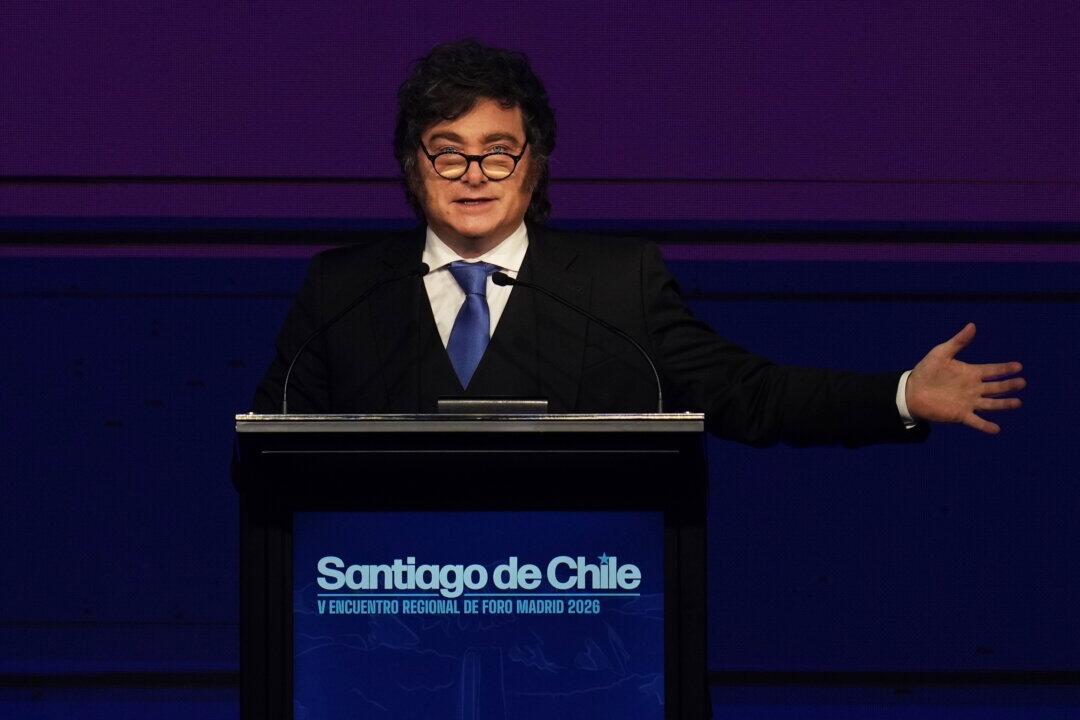
Argentina's Congress approved legislation on Thursday that bars the central bank from financing the Treasury, a core piece of President Javier Milei's program. The charter prohibits temporary advances to the government and direct purchases of public debt, and it removes the economy minister's right to attend board meetings. Milei's office said the text reverses financing powers expanded in 2012 under then-President Cristina Fernández de Kirchner. The published account does not include a vote tally.
The presidency called the change an end to "91 years of plunder, expropriation, impunity, and institutional decay." Milei wrote on November 26, 2026, that more than 90 years of issuing money to fund fiscal deficits had ended. Those are statements, not a recorded vote. Alongside them, Fundar reported that firms with at least one registered employee fell by 32,429, or 6.3 percent, between November 2023 and August 2026. In a November 25 note, BNP Paribas economist François Faure said the debt-to-GDP ratio had fallen 17 percentage points since the end of 2024.
Milei's 2023 platform promised a smaller state and lower inflation, and also closure of the central bank and adoption of the U.S. dollar. The statute does neither. It limits how deficits can be financed and restates a stability mandate, while the peso and the bank remain. Faure wrote that output most likely contracted for two quarters in spring 2026. Unemployment rose from 6 percent at the end of 2023 to 8 percent by mid-2026, and household consumption fell 1.8 percent in the second quarter. He tied the debt-ratio decline to a balanced budget, inflation's erosion of peso liabilities, and real appreciation of the peso against the dollar.
The constraint is statutory: Congress rewrote powers placed in the charter in 2012, rather than leaving financing to executive discretion. Households and registered employers are the counterparty already in the figures—fewer employing firms, higher joblessness, weaker consumption. The same day, the Senate passed a separate bill to suspend primaries, cut public financing of parties, and drop the mandatory presidential debate. A November Analogías poll put La Libertad Avanza roughly level with the Peronist opposition ahead of the October 2027 presidential election.
The law closes a legal channel that let fiscal gaps reach the central bank, while the adjustment already shows up in fewer employing firms, higher unemployment, and weaker household consumption. A same-day Senate bill would also change how parties are financed and how the 2027 contest is run.
Sources (1)
- [1]Original source(https://www.zerohedge.com/markets/milei-just-unplugged-argentinas-money-printer-and-not-one-lawmaker-voted-no)