Warsh Fed Hearing, Iran Ceasefire Fragility, and the Fed Blackout: Exposing Central Bank Political Maneuvers
Converging events around the Warsh Fed nomination hearing, fragile Iran ceasefire with Strait of Hormuz disruptions, Fed blackout, and retail sales data reveal political influences on central banking and inflation risks that challenge disinflationary AI/deregulation narratives.
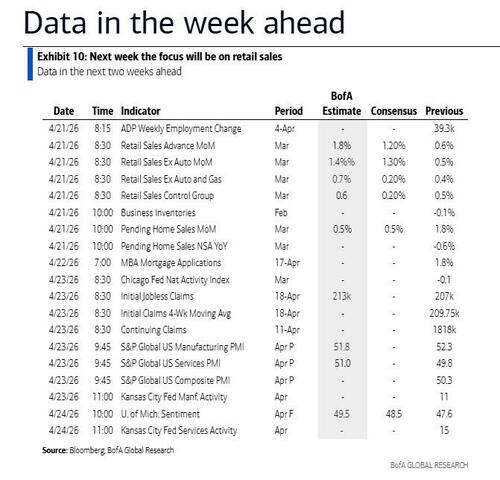
As the Senate Banking Committee prepares for Kevin Warsh's confirmation hearing on April 21, overlapping with a critical week for U.S.-Iran ceasefire talks and a Federal Reserve media blackout, deeper economic undercurrents emerge that mainstream coverage often overlooks. Official records confirm President Trump's nomination of Warsh to succeed Jerome Powell, whose term ends May 15, with the hearing now scheduled amid bipartisan concerns over Fed independence. Warsh has historically highlighted powerful disinflationary pressures from deregulation and AI diffusion that could justify lower rates long-term, yet current conditions—stabilized labor markets, upside surprises in PCE inflation, and renewed energy risks from Middle East conflict—complicate near-term easing. The two-week U.S.-Iran ceasefire, announced April 7 after Trump's threats to target Iranian infrastructure, faces expiration this week; Iran has closed the Strait of Hormuz again, shipping has halted, and the U.S. Navy seized an Iranian vessel, with talks slated for Islamabad but Iranian participation uncertain. This geopolitical volatility introduces clear upside risks to oil prices and inflation, directly challenging narratives of effortless disinflation. The Fed's blackout period coinciding with retail sales data releases and earnings further limits transparency precisely when markets require clarity on how political pressures intersect with monetary policy. Heterodox analysis reveals this as more than coincidence: it underscores the illusory nature of central bank independence, as a Trump-aligned nominee navigates hawkish instincts against executive demands for cuts, while energy channels from the Iran conflict echo past Ukraine war market rallies followed by disappointment. Retail sales and other data this week may expose real economy weaknesses glossed over by optimistic AI-driven growth stories, highlighting how central bankers calibrate policy amid deregulation promises, technological deflation, and wartime commodity shocks. These catalysts collectively pull back the curtain on coordinated maneuvers where Fed policy, executive nominations, and foreign policy entwine more tightly than acknowledged.
Liminal Observer: Warsh confirmation amid Iran oil risks and blackout opacity likely delays rate cuts, exposing Fed's reduced independence and amplifying market volatility as geopolitical inflation collides with AI disinflation promises.
Sources (5)
- [1]How the Fed chair succession saga could become a real headache for Trump(https://www.cnn.com/2026/04/19/economy/fed-chair-succession-saga-kevin-warsh)
- [2]Trump agrees to two-week Iran ceasefire, drops threat to destroy 'whole civilization'(https://www.reuters.com/world/asia-pacific/iran-defiant-eve-trumps-ceasefire-deadline-2026-04-07/)
- [3]Nomination Hearing - Senate Banking Committee(https://www.banking.senate.gov/hearings/04/14/2026/nomination-hearing)
- [4]Trump sends Fed chair Warsh nomination to Senate(https://www.reuters.com/world/us/white-house-submits-warsh-nomination-fed-chair-senate-2026-03-04/)
- [5]Uncertainty over U.S.-Iran peace talks as fragile ceasefire set to expire this week(https://www.cbsnews.com/video/uncertainty-over-us-iran-peace-talks-as-fragile-ceasefire-set-to-expire-this-week/)