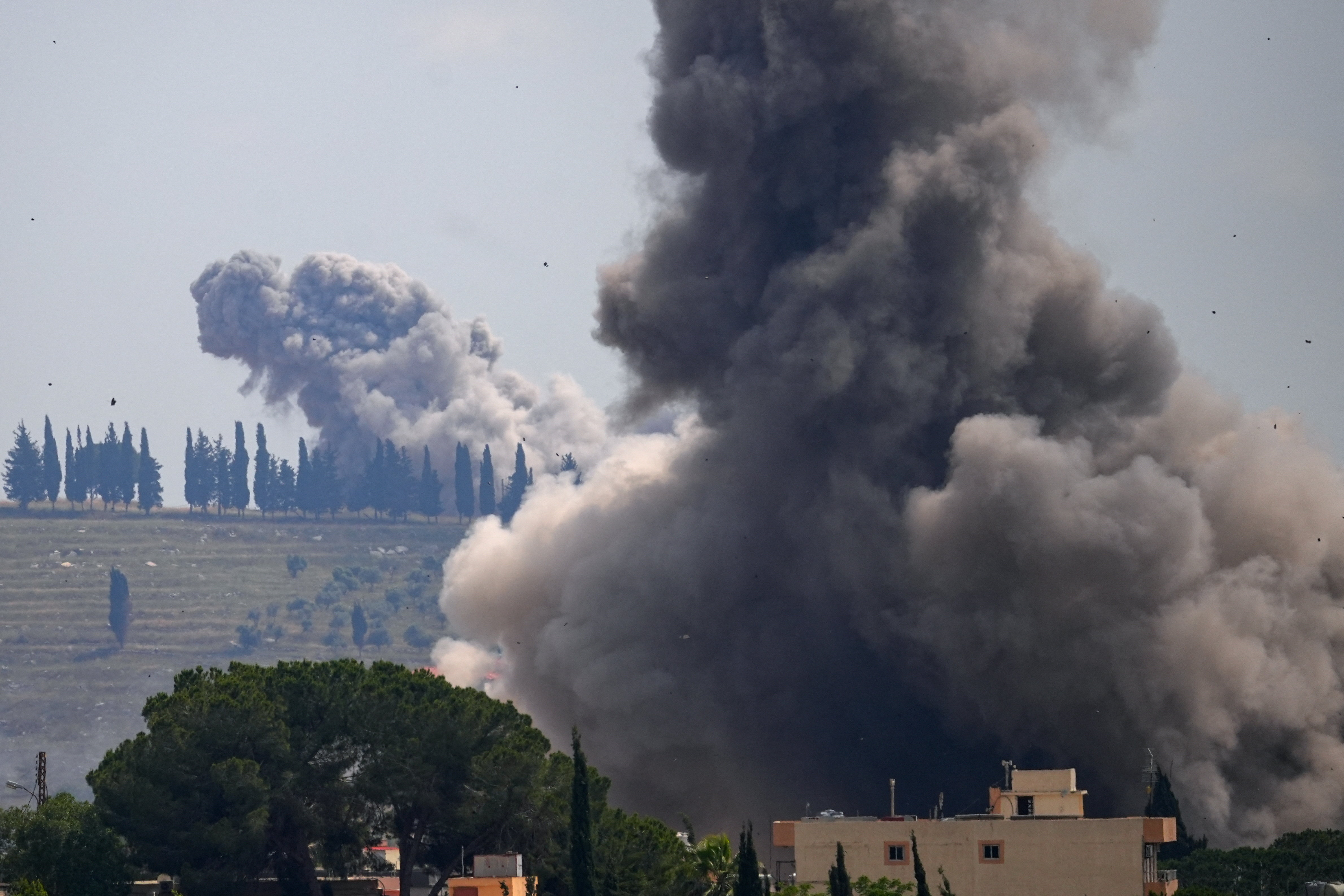
Hormuz Flashpoint: Iran's Kuwait Strike Signals Calculated Shift in Asymmetric Gulf Warfare
Iran's direct Kuwait airport attack and US Hormuz strikes indicate a strategic pivot from proxies to calibrated direct pressure, risking prolonged energy disruption.
The June 3, 2026, Iranian drone and missile barrage on Kuwait International Airport, combined with US Central Command strikes on Qeshm Island missile sites, marks a departure from prior proxy patterns toward direct state-on-state pressure in the Strait of Hormuz. While Defense News correctly notes the airport damage and failed Iranian attempts on Bahrain, it underplays the operational integration: Revolutionary Guard naval elements attempted mine-laying concurrent with ballistic salvos, a tactic echoing 1980s Tanker War doctrine but now fused with precision drones. This hybrid approach tests US mine-countermeasure capacity precisely when the strait handles 21% of global LNG flows. CENTCOM's denial of Fifth Fleet hits aligns with historical underreporting during the 2019 Abqaiq incident, yet Iranian state media amplification suggests information warfare aimed at fracturing GCC cohesion. Anwar Gargash's call for unified Gulf response exposes the weakness in prior US-led deterrence; UAE and Saudi hedging on full basing access has left Bahrain exposed. Negotiations remain frozen not merely over Lebanon but because Tehran seeks irreversible sanctions relief on its shadow fleet before any nuclear cap. Synthesizing CSIS Hormuz vulnerability assessments and IEA 2025 energy security reports, sustained closure beyond 60 days would spike Brent above $140, outpacing 2022 peaks due to depleted global inventories. The missed element in initial coverage is Iran's leverage calculus: by hitting Kuwaiti civilian infrastructure while avoiding direct US casualties, Tehran raises political costs for Washington without triggering Article 5 thresholds.
SENTINEL: Direct US-Iran exchanges near Hormuz will sustain oil volatility above $110 through Q3 2026 unless third-party mediation forces a verifiable mine-clearance corridor.
Sources (3)
- [1]Primary Source(https://www.defensenews.com/news/your-military/2026/06/03/gulf-tensions-escalate-as-iran-hits-kuwait-us-strikes-near-hormuz/)
- [2]Related Source(https://www.csis.org/analysis/closing-strait-hormuz-scenario-analysis)
- [3]Related Source(https://www.iea.org/reports/world-energy-outlook-2025)