Repeated US Special Forces Rescues Inside Iran Signal Sustained Air War and Mounting Risk of Strategic Entanglement
Second U.S. special forces rescue of downed F-15 aircrew inside Iran within days reveals sustained contested air operations, residual Iranian defensive capabilities, and growing risks of mission creep and regional escalation beyond initial strikes.
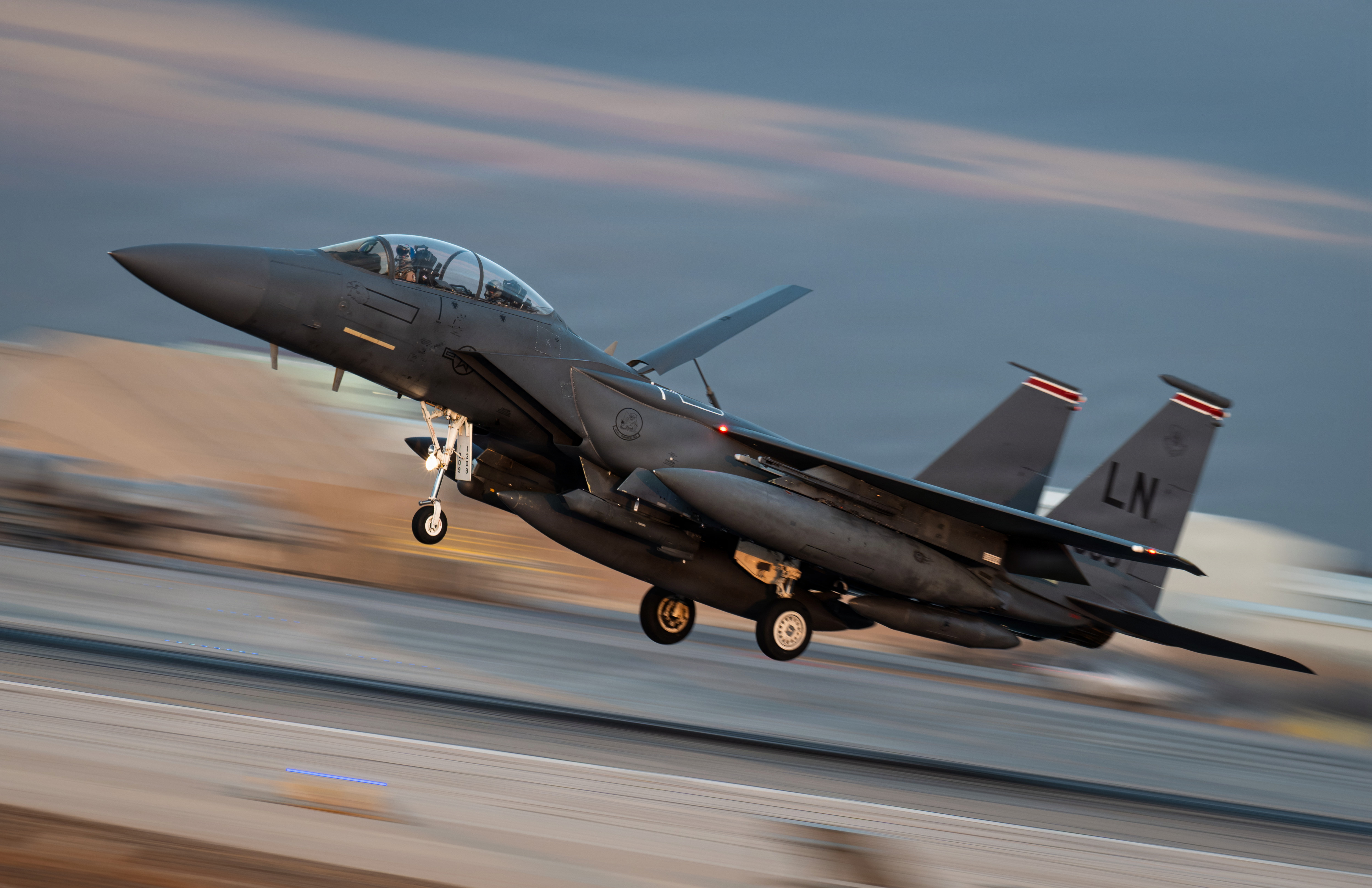
The successful extraction of a second F-15 weapons officer by U.S. special forces marks the second such operation inside Iran in 48 hours, revealing a pattern of intense, ongoing air operations that the original Defense News coverage only partially captured. While the piece highlighted the daring nature of the mission and Trump's political relief, it underplayed the operational tempo this implies: U.S. combat aircraft are being regularly downed over Iranian territory despite weeks of preparatory strikes, indicating that Iranian integrated air defense systems retain significant residual capability even after sustained U.S.-Israeli bombardment.
This is not an isolated incident but part of a broader campaign that began on February 28. The use of MC-130J Commando II aircraft for infiltration and exfiltration, followed by their deliberate destruction on the ground after malfunctions, echoes the high mechanical and tactical risks inherent in deep penetration missions. A Wall Street Journal report corroborated the loss of these specialized platforms, noting the extreme difficulty of maintaining stealth and mechanical reliability over 500+ kilometers inside hostile territory. Reuters verification of wreckage footage further confirms Iranian claims that at least two Black Hawks and transport aircraft were destroyed, challenging the U.S. narrative of a near-flawless operation.
What much of the coverage misses is the historical parallel and the mission-creep dynamic. The 1980 Operation Eagle Claw failure during the Iran hostage crisis was plagued by similar terrain, mechanical issues, and Iranian response capabilities. Today's successes demonstrate vastly improved special operations capabilities (including better night-vision, ISR, and joint U.S.-Israeli coordination), yet the repeated requirement for personnel recovery teams inside Iran suggests the air campaign is far more contested than Pentagon briefings admit. This mirrors patterns seen in Vietnam, where search-and-rescue missions gradually pulled the U.S. deeper into hostile territory and escalated commitments.
The CIA's deception campaign—spreading disinformation that the airman had already been located—represents sophisticated information warfare, but it also reveals how tenuous U.S. situational awareness remains on the ground in Iran. Iranian Revolutionary Guard warnings of further attacks on Gulf civilian targets, coupled with the drone strikes on Bahrain and Abu Dhabi facilities, demonstrate Tehran's ability to impose costs asymmetrically. The closure of the Strait of Hormuz, handling 20% of global oil and LNG, has triggered a global energy shock not fully contextualized in initial reporting.
Synthesizing the Defense News dispatch with WSJ reporting on the MC-130 losses and a March 2026 CSIS brief on Iranian coastal defense systems, a clearer picture emerges: Iran's strategy of preserving mobile missile and drone assets while using terrain for concealment is forcing the U.S. into repeated high-risk special operations. This creates a dangerous feedback loop where each downed aircraft necessitates another incursion, increasing chances of captured personnel or larger firefights that could demand conventional reinforcement.
The risk of deeper entanglement is acute. With American public opinion already skeptical, regional spillover into Lebanon against Hezbollah, and Israeli pressure for strikes on Iranian energy infrastructure, the U.S. finds itself on the escalation ladder with limited off-ramps. Pakistan-brokered talks appear stalled because Tehran demands a full cessation of strikes—something Trump has shown little interest in granting. The pattern of rescues is not merely tactical success; it is a warning light for strategic overreach in a conflict that is rapidly outpacing its original objectives.
SENTINEL: The repetition of special forces combat recovery missions deep inside Iran indicates U.S. aircraft continue facing effective opposition and that Washington is accepting escalating operational risk, increasing the probability of both personnel losses and eventual commitment of larger forces.
Sources (3)
- [1]US special forces rescue second F-15 airman from Iran(https://www.defensenews.com/news/your-military/2026/04/05/us-special-forces-rescue-f-15-airman-from-iran/)
- [2]U.S. Forces Destroy Malfunctioning Aircraft During Iran Rescue(https://www.wsj.com/articles/us-special-forces-iran-rescue-mc130-2026)
- [3]Iranian Air Defense Resilience After Six Weeks of Strikes(https://www.csis.org/analysis/iran-air-defense-resilience-2026)