Acting Navy Secretary Says Expired Missiles Coded Echo and Foxtrot Were Used Against Iran
Acting Navy Secretary Hung Cao disclosed that some U.S. munitions used against Iran were expired and recoded for use. The disclosure, supported by CSIS estimates of heavy interceptor consumption, shows U.S. missile stockpiles are under strain and that replenishment is a central readiness issue.
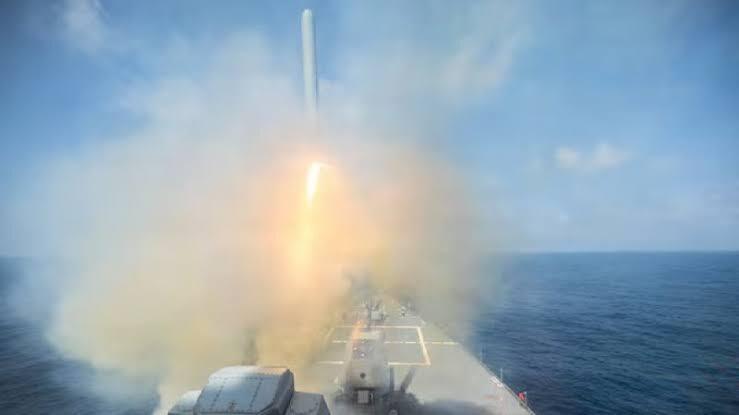
Acting Navy Secretary Hung Cao told the Senate Armed Services Committee that some U.S. munitions used in Operation Epic Fury against Iran had expired, saying they were coded echo and foxtrot, categories the Defense Logistics Agency treats as unserviceable but repairable. Cao said many munitions were recoded during the campaign, a disclosure that points to sustained use of the U.S. missile inventory over more than eight months of operations. The source does not specify how many munitions were affected.
The specific codes matter: echo and foxtrot do not mean a missile is automatically unusable, but they signal materiel that has failed or is expected to fail serviceability checks unless inspected, repaired, or revalidated. Cao's bread analogy was meant to convey practical improvisation, but senators were evaluating a logistics system under strain. The report cites CSIS estimates that the Pentagon consumed nearly half of Patriot missiles, more than half of THAAD systems used against ballistic missiles, and over 45 percent of Precision Strike Missiles during the Iran campaign.
The disclosure fits a broader procurement pattern: high-end interceptors, which are designed to destroy incoming missiles, are expensive, slow to replenish, and concentrated in a small industrial base, while conflict consumes them in salvos that can exceed production capacity. For the Navy, using recoded munitions may preserve combat power and avoid admitting a stopgap failure, but it also transfers risk to crews, maintenance depots, and commanders who must certify weapons that have crossed shelf-life limits. The two-sided ledger is stark: operational flexibility in the short term, longer-term pressure on readiness, budget credibility, and deterrence messaging.
This matters because missile stockpiles are not only battlefield supplies; they are political signals and industrial commitments. The CSIS assessment cited in the report says U.S. stockpiles were already deemed insufficient for a peer competitor fight before the Iran campaign, and that rebuilding stockpiles to adequate levels has been assessed as a longer-term problem. For allies and competitors, the record shows a military still capable of sustained operations, but also one whose margins depend on repair, recoding, and improvisation rather than abundant ready-to-fire inventory.
The disclosure affects U.S. defense readiness and budget decisions because it shows precision interceptors are being consumed faster than expected, forcing use of expired materiel and raising questions about replenishment.
Sources (1)
- [1]Original source(https://www.zerohedge.com/geopolitical/old-bread-navy-chief-discloses-expired-missiles-were-used-against-iran)