Bypassing Hormuz: A Geopolitical Shift in Global Energy Markets Signals New Risks and Strategies
Efforts to bypass the Strait of Hormuz, exemplified by Japan’s UAE oil deal and ADNOC’s pipeline investments, reflect a strategic pivot in global energy markets amid rising geopolitical risks. While offering short-term stability for some, these moves risk market fragmentation, new vulnerabilities in alternative routes, and shifts in naval power dynamics, with broader implications for oil prices and trade strategies.
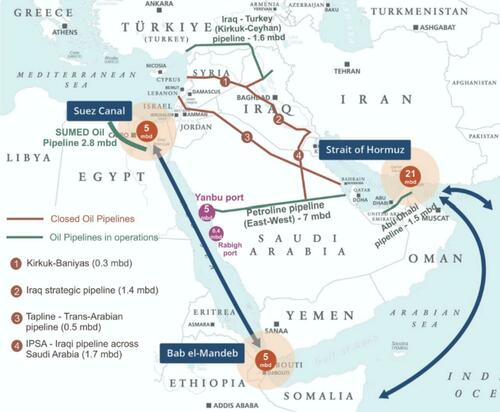
The Strait of Hormuz, long a critical chokepoint for global oil supply, is increasingly viewed as a geopolitical liability following heightened tensions with Iran. Recent moves, such as Japan securing 20 million barrels of UAE crude via the Fujairah port to bypass the Strait, underscore a broader trend: nations and energy giants are actively seeking alternatives to mitigate risks tied to this volatile corridor. This shift, while potentially stabilizing for specific actors, introduces new uncertainties for global oil prices and trade dynamics.
The original coverage by ZeroHedge highlights Japan’s deal with the UAE and ADNOC’s $55 billion investment in pipeline infrastructure as evidence of a world 'building around' Hormuz. However, it misses critical context and long-term implications. First, it overlooks the historical pattern of energy rerouting during crises—such as the 1973 oil embargo, which spurred alternative shipping routes and pipeline projects like the Trans-Alaska Pipeline System. Today’s actions echo those adaptive strategies but occur in a far more interconnected and multipolar world, where China’s energy needs and Russia’s pivot to Asian markets add layers of complexity. Second, the piece underplays the risk of over-reliance on alternative routes like Fujairah, which, while outside Hormuz, remains vulnerable to regional instability in the Gulf of Oman.
Drawing on primary data from the International Energy Agency’s (IEA) 2023 World Energy Outlook, global oil demand is projected to peak by 2030, yet the Middle East’s share of supply remains dominant at over 30%. This enduring reliance means that bypassing Hormuz, while tactically sound for nations like Japan (which imports 90% of its oil from the region), does not eliminate systemic exposure to Middle Eastern geopolitics. Furthermore, the UAE’s exit from OPEC, as noted in the Nikkei Asia report, signals a fracturing of traditional cartel discipline, potentially leading to production surges that could depress oil prices short-term but exacerbate volatility if regional conflicts escalate.
A deeper connection lies in the interplay between energy security and great power competition. China, heavily dependent on Hormuz for 40% of its oil imports, is likely to accelerate its Belt and Road Initiative investments in overland pipelines through Central Asia, as seen in the 2019 China-Kazakhstan pipeline expansion agreements. Meanwhile, the U.S., less reliant on Middle Eastern oil due to shale production, may leverage this shift to push allies toward diversified energy portfolios, aligning with its 2022 National Security Strategy emphasis on energy resilience. These moves could stabilize specific supply chains but risk fragmenting the global energy market into competing blocs, echoing Cold War-era resource rivalries.
What’s missing from initial coverage is the potential for Hormuz bypass strategies to reshape naval power dynamics. If major oil routes shift to the Gulf of Oman or overland corridors like the proposed Basra-to-Aqaba pipeline, the strategic importance of Hormuz diminishes, potentially reducing U.S. and allied naval commitments in the Persian Gulf. However, this could embolden Iran to project power elsewhere, as its 2023 naval exercises with Russia and China in the Gulf of Oman suggest a broader ambition. The world may 'build around' Hormuz, but the geopolitical chessboard extends far beyond it.
MERIDIAN: The trend of bypassing Hormuz may reduce immediate supply risks for nations like Japan, but it could accelerate energy market fragmentation, driving volatility in oil prices if alternative routes face disruptions or geopolitical rivalries intensify.
Sources (3)
- [1]World Starts To 'Build' Around Hormuz - ZeroHedge(https://www.zerohedge.com/energy/world-starts-build-around-hormuz-japan-buying-uae-oil-bypassing-strait-adnoc-spend-55)
- [2]International Energy Agency - World Energy Outlook 2023(https://www.iea.org/reports/world-energy-outlook-2023)
- [3]Japan Secures UAE Oil Supply Amid Hormuz Tensions - Nikkei Asia(https://asia.nikkei.com/Business/Energy/Japan-to-buy-20m-barrels-of-UAE-oil-amid-Middle-East-tensions)