US-Iran Interim Deal Reopens Strait of Hormuz Toll-Free for 60 Days Amid Lingering Sanctions and Security Questions
US-Iran deal enables toll-free Hormuz transit for 60 days with signing set for June 19 in Switzerland, backed by Reuters, CNN, Axios and others; connects to sanctions relief, nuclear talks, and maritime risks with hundreds of vessels awaiting resumption.
In a development with direct implications for global energy flows and supply chains, the United States and Iran reached a framework agreement over the weekend to reopen the Strait of Hormuz without tolls, extending a ceasefire for 60 days while formalizing terms in Switzerland on Friday. Multiple outlets confirm the deal restores pre-conflict transit conditions initially, with Iran retaining potential future authority over navigation services.
Credible reporting from Reuters, CNN, Axios, and NBC News details the memorandum of understanding (MOU) as a bridge to broader talks on Iran's nuclear program and sanctions relief. Trump authorized the immediate toll-free opening and end to the US naval blockade, while Iranian officials have signaled intent to explore fees for safety, insurance, and environmental services post-60 days if a permanent accord holds.
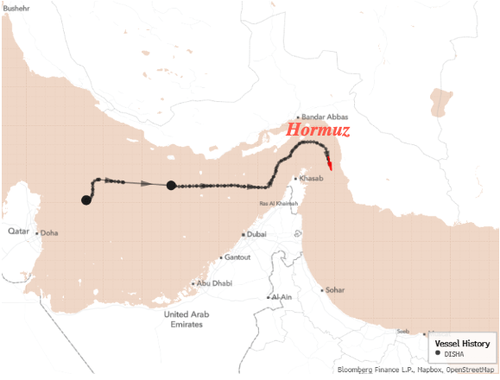
Hundreds of tankers and vessels remain idled in the Persian Gulf and Gulf of Oman, with estimates of nearly 300 loaded ships trapped and comparable numbers awaiting inbound access. Early movement, such as the LNG tanker Disha, signals cautious resumption, though full normalization of oil and LNG exports could span months to years given prior disruptions since February 2026. Market reactions include falling oil prices and rising equities, as noted by UBS analysts.
Beyond immediate logistics, the arrangement ties into rarely examined maritime security dynamics: Iran's historical control claims over the chokepoint, potential mine clearance timelines (estimated at 30 days by some observers), and how sanctions easing might alter risk appetites among shipowners from Japan, Korea, China, and Greece. Wikipedia's entry on the 2026 Strait of Hormuz crisis and congressional research briefs contextualize the prior toll impositions exceeding $1 million per vessel and blockades, underscoring the shift from conflict to tentative de-escalation.
Analysts highlight supply-chain ripple effects, including restarted Qatari LNG flows and broader energy market stabilization, while noting skepticism over timelines from prediction markets like Polymarket and Kalshi. The 60-day window offers a rare window into sanctions relief mechanics rarely covered beyond headlines, linking Hormuz access directly to nuclear negotiations and regional stability.
[Maritime Analyst]: The 60-day toll-free period could accelerate partial supply-chain recovery but full pre-war volumes hinge on sustained de-escalation and mine clearance, potentially delaying sanctions relief impacts for quarters.
Sources (6)
- [1]US, Iran reach deal to extend ceasefire, open strait(https://www.axios.com/2026/06/14/us-iran-ceasefire-extended-hormuz-reopen-trump)
- [2]Oil hits 3-month low as US, Iran reach peace deal to reopen Strait of Hormuz(https://www.reuters.com/business/energy/oil-slips-over-4-after-us-iran-reach-peace-deal-reopen-strait-hormuz-2026-06-14/)
- [3]US and Iran reach framework deal to end war, reopen Strait of Hormuz(https://www.nbcnews.com/news/us-news/deal-reached-united-states-iran-war-rcna350039)
- [4]June 14, 2026 — US and Iran reach agreement that ...(https://www.cnn.com/2026/06/14/world/live-news/iran-war-trump-israel)
- [5]2026 Strait of Hormuz crisis(https://en.wikipedia.org/wiki/2026_Strait_of_Hormuz_crisis)
- [6]Oil prices tumble and markets rally amid hopes strait of Hormuz reopening(https://www.theguardian.com/business/2026/jun/15/oil-prices-fall-strait-of-hormuz-reopening-hopes-iran-us-peace-deal)