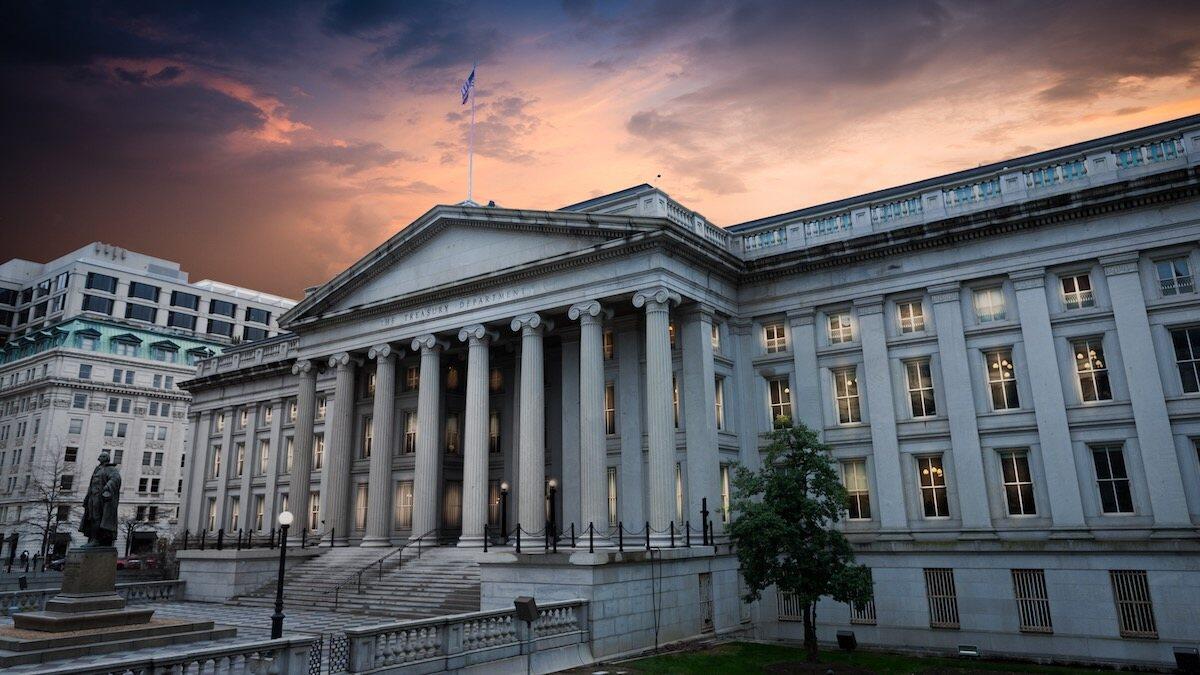
FinCEN reports unauthorized access to a limited set of systems, hours after reports of a CIA and ODNI open-source intel breach
FinCEN confirmed unauthorized access to a limited subset of its systems and extended some filing deadlines back to Nov. 18, the same day outlets reported an unclassified CIA/ODNI open-source intelligence system breach. Officials say there is no evidence yet that BSA or beneficial-ownership databases were breached. No public evidence links the incidents to each other or overturns DNI Jay Clayton’s earlier statement that a separate wave of outages was not a coordinated state attack.
Documented: On the evening of Nov. 24, 2026, the Treasury Department’s Financial Crimes Enforcement Network posted a notice on its Bank Secrecy Act E-Filing portal that it was investigating a cybersecurity incident that “resulted in unauthorized access to a limited subset of its systems,” and that it had taken some systems offline as a precaution. The BSA E-Filing site remained up, with some services temporarily unavailable. Reuters, ABC News, The Verge, CyberScoop, Nextgov, and The Register all reported the notice. A FinCEN official told Reuters that Treasury is working with the FBI, CISA, and third-party forensic examiners. That official also said that, while analysis was ongoing, there was no evidence of a breach of Bank Secrecy Act or beneficial-ownership databases. FinCEN has not said which systems were reached, whether records were viewed or taken, or who was responsible.
Documented, and easy to miss: the same day FinCEN issued an exceptive-relief order that does not use the words cyberattack or unauthorized access. It cites “a service disruption that is hindering filers’ ability to adhere to reporting obligations” and extends deadlines to Dec. 30 for certain bulk Secure Data Transfer Mode filers and beneficial-ownership filers with items due between Nov. 18 and Dec. 29. The relief window therefore begins six days before the public notice. The order still requires institutions to monitor for suspicious activity and points them to FinCEN’s Financial Institutions Hotline, which it says is not affected. What that date range means—when access began, when disruption was first noticed, or simply when filing problems started—is not stated in the public order.
Documented timing, not a demonstrated link: the FinCEN notice landed the same day, and in some accounts hours after, The New York Times reported that the CIA and the Office of the Director of National Intelligence had discovered a breach of an unclassified open-source intelligence analysis system used to work with public and commercial data, including social media, commercial datasets, and imagery. Nextgov and CyberScoop independently confirmed an unclassified OSINT-system intrusion with people familiar with the matter. Those sources said classified networks were not involved. The National Geospatial-Intelligence Agency was also reported as affected. An ODNI official told reporters there had been no disruption to critical capabilities or classified systems. The CIA declined to comment. No agency has publicly named an actor for that incident, and none has publicly tied it to FinCEN.
Claimed, not established: people familiar with the intelligence-system intrusion told the Times that investigators suspect use of ARTEX, an AI-assisted hacking framework released by a Chinese engineer in July 2025 and later the subject of an FBI FLASH advisory, and that early indications point toward China. Other outlets repeated those source claims. That is attribution by anonymous officials about one incident, not a finding about FinCEN, and not a public attribution by the agencies themselves.
Documented, and narrower than the conspiracy reading: two days earlier, on Nov. 22, Director of National Intelligence Jay Clayton told ABC’s This Week that the week’s widely noticed technology failures—framed in that interview around Microsoft, aviation, major banks, and related government disruptions—were “not coordinated” and “not state-sponsored,” and were “delays, outages and the like, resulting from upgrades to systems.” He had made a similar distinction in congressional testimony. In the same ABC appearance he declined to discuss who was behind a separate reported intrusion affecting the FBI, saying he was not in a position to get into specifics. His “not state-sponsored” line was about that earlier cluster of outages, not a denial issued after the FinCEN or OSINT disclosures.
Speculated, and not supported by the public record: that the Treasury and intelligence incidents are one coordinated state campaign, or that Clayton’s Nov. 22 statement was a knowing cover for them. Nothing released by Treasury, ODNI, the CIA, or CISA establishes a shared actor, a shared tool, or a shared timeline beyond calendar proximity in a month already full of both upgrade outages and confirmed intrusions. Prior Chinese state-linked breaches of Treasury systems, including charges related to a 2024 intrusion, are documented history; they are not evidence about this incident.
What is solid is narrower and still serious. A bureau that receives suspicious-activity reports and beneficial-ownership filings has confirmed unauthorized access to some of its systems, taken systems offline, and quietly backdated filing relief to Nov. 18, while saying the core BSA and ownership databases show no evidence of breach so far. Separately, spy agencies suffered an unclassified OSINT-system intrusion whose value, analysts note, may lie less in the raw open-source material than in revealing what analysts were querying. The government has not explained how those facts sit next to its earlier assurance that the week’s outages were maintenance. That gap is a transparency problem. It is not, on the evidence now public, proof of a single campaign.
Banks and other filers depend on FinCEN to get suspicious-activity and ownership reports to law enforcement; a confirmed intrusion and delayed filings affect that pipeline even if core databases are so far said to be intact. The public still has no official account of what was accessed or whether the incident is related to the same week’s intelligence-system breach.
Sources (9)
- [1]US FinCEN takes some systems offline after cyber incident, official says(https://www.reuters.com/world/us-fincen-takes-some-systems-offline-after-cyber-incident-official-says-2026-11-25/)
- [2]Treasury's FinCEN says cybersecurity incident includes unauthorized access of some systems(https://abcnews.com/US/treasurys-fincen-cybersecurity-incident-includes-unauthorized-access-systems/story?id=138432822)
- [3]US financial crimes bureau discloses cybersecurity incident(https://www.theverge.com/policy/1041957/fincen-treasury-cybersecurity-incident)
- [4]FinCEN investigates cybersecurity incident, takes systems offline(https://cyberscoop.com/fincen-investigates-cybersecurity-incident-systems-offline/)
- [5]Treasury’s financial crimes bureau takes systems offline after hack(https://www.nextgov.com/cybersecurity/2026/11/treasurys-financial-crimes-bureau-takes-systems-offline-after-hack/417442/)
- [6]CIA, ODNI unclassified intelligence system hacked(https://www.nextgov.com/cybersecurity/2026/11/cia-odni-unclassified-intelligence-system-hacked/417438/)
- [7]Unclassified intel system hit by hackers, affecting CIA, ODNI(https://cyberscoop.com/cia-odni-osint-data-breach/)
- [8]DNI Clayton Says Recent Tech Outages Were Not Coordinated Or State-Sponsored(https://dailycaller.com/2026/11/22/jay-clayton-technology-outages-not-coordinated-state-sponsored-cyberattacks-abc-news-this-week-jonathan-karl/)
- [9]Director of National Intelligence on recent tech outages(https://www.youtube.com/watch?v=nu2E3-6HLJM)