Geopolitical Shocks and Policy Interventions: Examining Energy Shortages Across Asia and Oceania
Analysis of government primary documents from Australia and Japan reveals energy rationing, subsidies, and coal reliance triggered by Hormuz disruptions, highlighting policy distortions and demand suppression patterns seen in prior crises while presenting perspectives from consumers, officials, and analysts.
Official statements from the Australian Prime Minister's office and Japan's Ministry of Economy, Trade and Industry (METI) document a series of measures responding to elevated fuel prices and supply concerns following disruptions in the Strait of Hormuz. The Australian government announced a three-month halving of fuel excise duty, citing record diesel prices above A$2.82 per liter, alongside reports of empty stations in Queensland and New South Wales. Primary documents emphasize that shortages stem from altered consumer behavior, including panic buying and hoarding in jerry cans, rather than absolute supply deficits. Meanwhile, METI's announcement to relax the 50% capacity utilization cap on less efficient coal-fired plants for one year aims to conserve LNG, of which Japan imports around 4 million metric tons annually via the affected strait.
This situation echoes patterns observed in the 2022 European energy crisis following the Ukraine conflict, as detailed in European Commission communications on gas storage and demand reduction targets. The International Energy Agency's Oil Market Report from that period highlighted how geopolitical events can tighten inventories and prompt government interventions. Multiple perspectives emerge: consumer advocacy groups in Australia argue subsidies are essential to protect rural economies and transport sectors from immediate viability threats; Japanese officials prioritize domestic energy security given limited reserves compared to oil-producing nations; energy market analysts note that price controls and export limits risk further distorting signals for investment in diversified supplies.
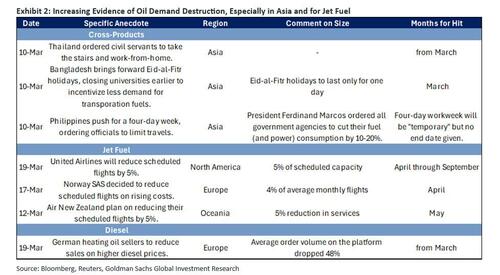
Mainstream coverage has often framed these as isolated, temporary disruptions attributable solely to the current conflict. What appears under-examined is the cumulative effect of years of subsidies in Asian markets that the IEA has previously flagged as suppressing demand elasticity and contributing to structural vulnerabilities. Primary data from the U.S. Energy Information Administration on historical oil shocks (such as 1973) shows similar sequences of rationing, flight cancellations, and shifts to coal, underscoring recurring policy trade-offs between short-term affordability and long-term market efficiency. Vietnam Airlines and Air New Zealand cancellations due to jet fuel shortages, as referenced in industry updates, further illustrate demand suppression in aviation that extends beyond the original reporting.
Synthesizing these, the responses reveal both immediate humanitarian considerations and broader questions about global energy system resilience, with nations balancing fiscal costs (Australia's measures estimated at A$2.55 billion) against potential CPI impacts and environmental implications of increased coal use. No single viewpoint prevails: producers see sustained higher prices as incentive for output, while importers stress the need for international cooperation on reserves.
MERIDIAN: Governments are deploying subsidies and coal backups to manage energy shortages from the Hormuz disruptions, yet these steps may delay necessary market adjustments and expose long-term vulnerabilities in import-dependent economies.
Sources (3)
- [1]Prime Minister Albanese Press Conference on Fuel Prices(https://www.pm.gov.au/media)
- [2]Japan METI Announcement on Coal Power Utilization(https://www.meti.go.jp/english/press/)
- [3]IEA Oil Market Report - Inventory and Security Analysis(https://www.iea.org/reports/oil-market-report)