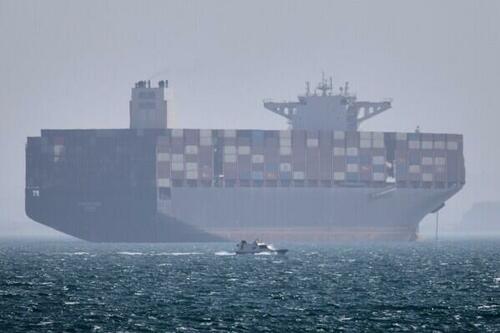
Iran's Direct Strike on US Assets in Kuwait Underscores Acute Risks of Wider Gulf War and Energy Shock
Recent Iranian ballistic missile and drone attacks targeting US positions in Kuwait, following US strikes near Bandar Abbas, have drawn sharp GCC condemnations and highlight a dangerous pattern of escalation within the 2026 Iran conflict, raising immediate prospects of wider war and major disruptions to global energy supplies via the Strait of Hormuz.
On May 27, 2026, Iran launched a ballistic missile toward a US base in Kuwait, successfully intercepted by Kuwaiti air defenses, hours after deploying attack drones in and near the Strait of Hormuz that were downed by US forces. US Central Command described the actions as 'egregious ceasefire violations' and 'unjustified Iranian aggression,' while Kuwait, the UAE, Saudi Arabia, Qatar, and the GCC condemned the strikes as terrorist attacks and blatant violations of sovereignty. This exchange follows US strikes on Iranian facilities near Bandar Abbas and fits a pattern of Iran asserting red lines through limited but symbolic retaliation. Within the broader 2026 Iran war—sparked by US-Israeli Operation Epic Fury in February that targeted the Iranian regime—Iran has conducted hundreds of missile and drone strikes on US bases and Gulf infrastructure, damaging over 200 structures at American sites according to satellite analysis. These actions, which have hit facilities in Kuwait (including Camp Buehring and Ali Al Salem), Bahrain, and beyond, reveal a deeper Iranian strategy of horizontal escalation: using asymmetric attacks to raise costs, pressure negotiations on its nuclear program and sanctions, and exploit perceived US reluctance for full war. Mainstream reporting has frequently underplayed these direct US-Iran kinetic clashes until after incidents occur, yet the cumulative effect—including strikes on energy infrastructure and repeated probes in the Strait of Hormuz—signals an immediate risk of miscalculation leading to full regional war. A closure or severe disruption of the Strait, through which roughly one-fifth of global oil passes, could trigger rapid energy market chaos, higher prices, and draw reluctant Gulf states into active combat. Stalled talks, Iranian parliamentary statements demanding maximum leverage, and underreported base damage suggest the current fragile pause is unsustainable, with Tehran betting that sporadic assertions of sovereignty will fracture the US-led coalition before broader escalation becomes inevitable.
LIMINAL: Iran's calibrated strikes on Kuwait-based US assets amid a shaky ceasefire sharply increase the odds of full Strait of Hormuz closure and multi-front regional war, with swift knock-on effects to global oil prices and energy security.
Sources (4)
- [1]US Centcom says Iran launched 'ceasefire violation' on Kuwait(https://www.middleeasteye.net/live-blog/live-blog-update/us-centcom-says-iran-launched-ceasefire-violation-kuwait)
- [2]Iran hit more U.S. military targets than has been reported, satellite imagery shows(https://www.washingtonpost.com/investigations/2026/05/06/iran-us-bases-satellite-images/)
- [3]2026 Iran war(https://www.britannica.com/event/2026-Iran-war)
- [4]Iran Escalates Retaliatory Strikes as U.S. Signals Long Battle(https://www.nytimes.com/live/2026/03/02/world/iran-us-israel-attack-trump)