FDA Mandates NAION 'Eye Stroke' Warning on All GLP-1 Drugs Following Safety Review
FDA requires class-wide NAION warning on GLP-1 drugs like Ozempic and Mounjaro after trial and real-world data review; absolute risk remains low but clinically relevant given patient volume. EMA acted earlier for semaglutide.
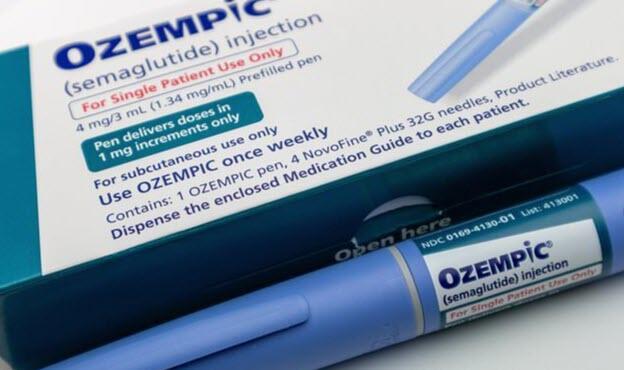
On November 9, 2026, the U.S. Food and Drug Administration (FDA) issued a drug safety communication requiring manufacturers of all glucagon-like peptide-1 receptor agonist (GLP-1 RA) medications—including Ozempic, Wegovy, Mounjaro, Zepbound, and others—to add information about a potential increased risk of non-arteritic anterior ischemic optic neuropathy (NAION) to the Warnings and Precautions section of their labeling. NAION, sometimes called an 'eye stroke,' is a rare condition involving reduced blood flow to the optic nerve that can cause sudden, painless vision loss in one eye, potentially permanent.
The FDA's decision stems from an analysis of 126 randomized controlled trials involving 134,253 patients, which identified 15 probable NAION events (10 in GLP-1 users vs. 5 in comparators), equating to 6.4 cases per 100,000 person-years for GLP-1s compared to 3.8 for placebo or other glucose-lowering drugs. Background rates in adults over 50 range from 2.3 to 10.2 per 100,000 annually. A separate Sentinel cohort study in type 2 diabetes patients showed rates of 26–32 per 100,000 person-years, with a statistically significant elevation versus DPP-4 inhibitors (HR 1.43) but not SGLT-2 inhibitors.
Published observational studies deemed rigorous by the FDA consistently indicated higher NAION risk with GLP-1s. No clear mechanism was identified in animal data, and adverse event reports were challenging to interpret due to overlapping risk factors like diabetes, hypertension, sleep apnea, smoking, anemia, and kidney disease. The agency advises clinicians to consider discontinuing the drug if NAION develops unless benefits outweigh risks, and urges patients to report sudden vision changes immediately.
This follows the European Medicines Agency's (EMA) June 2025 conclusion that NAION is a very rare side effect of semaglutide (up to 1 in 10,000), prompting label updates for Ozempic, Rybelsus, and Wegovy. Eli Lilly stated the update applies class-wide and is evaluating it. The move highlights ongoing scrutiny of GLP-1 safety amid widespread use for diabetes and weight loss, with millions potentially affected.
Sources (5)
- [1]FDA Requires Safety Labeling Changes for Glucagon-Like Peptide-1 Receptor Agonists (GLP-1 RAs) Due to Potential Increased Risk of Rare But Serious Eye Condition(https://www.fda.gov/drugs/drug-safety-communications/fda-requires-safety-labeling-changes-glucagon-peptide-1-receptor-agonists-glp-1-ras-due-potential)
- [2]US FDA orders new eye risk warnings for Ozempic, Zepbound(https://www.reuters.com/business/healthcare-pharmaceuticals/us-fda-orders-new-eye-risk-warnings-ozempic-zepbound-2026-11-09/)
- [3]FDA tells GLP-1 makers to warn of potential vision loss side effect(https://www.washingtonpost.com/health/2026/11/09/fda-tells-glp-1-makers-warn-potential-vision-loss-side-effect/)
- [4]FDA Slaps New Safety Warning on GLP-1 Drugs(https://www.medpagetoday.com/ophthalmology/generalophthalmology/123783)
- [5]PRAC concludes eye condition NAION is a very rare side effect of semaglutide medicines Ozempic, Rybelsus and Wegovy(https://www.ema.europa.eu/en/news/prac-concludes-eye-condition-naion-very-rare-side-effect-semaglutide-medicines-ozempic-rybelsus-wegovy)