U.S.-Iran Deal Nears: Geopolitical Thaw Sparks Market Frenzy and Global Implications
A potential U.S.-Iran deal, as reported by Axios, promises a nuclear moratorium and sanctions relief, sparking market rallies and oil price drops. However, deeper analysis reveals risks of regional destabilization, historical parallels to failed agreements, and economic implications beyond immediate financial reactions, highlighting the fragility of this diplomatic breakthrough.
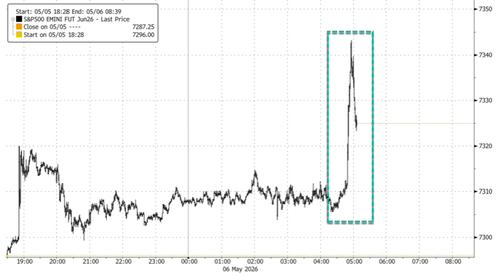
The Axios report of a potential U.S.-Iran preliminary deal, centered on a 14-point memorandum, marks a critical juncture in a decades-long standoff. The proposed agreement includes a moratorium on Iranian uranium enrichment (with a contested duration of 5 to 20 years), enhanced nuclear inspections, and a U.S. commitment to lift sanctions and release frozen Iranian funds. Additionally, the deal outlines a 30-day window to negotiate broader terms on nuclear constraints and Strait of Hormuz access, with the threat of renewed U.S. military action if talks collapse. While Axios captures the immediate market reactions—S&P 500 futures surging, oil prices (WTI) dropping to $95 per barrel, and U.S. Treasury yields declining—it misses the deeper geopolitical and economic ripple effects, as well as historical parallels that frame this moment.
First, the market response underscores the tight coupling of diplomacy and financial volatility. A reduction in geopolitical risk in the Middle East, particularly around the Strait of Hormuz—a chokepoint for 20% of global oil supply—directly impacts energy prices. The drop in WTI and Brent futures reflects an expectation of normalized shipping lanes, yet this optimism may be premature. Historical patterns, such as the 2015 Joint Comprehensive Plan of Action (JCPOA), show that initial market rallies can reverse if implementation falters. The current Polymarket odds (56% for a permanent peace deal by June 2026) suggest public skepticism, aligning with past instances where U.S.-Iran negotiations collapsed under domestic political pressures or regional proxy conflicts.
Second, Axios overlooks the broader regional dynamics. A U.S.-Iran thaw could destabilize alliances with Saudi Arabia and Israel, who view Iran’s nuclear ambitions and regional influence as existential threats. Declassified U.S. State Department cables from the 2015 JCPOA era reveal Saudi frustration over perceived American concessions, which fueled Riyadh’s pivot toward closer ties with Russia and China. Today, with Saudi Arabia’s ongoing OPEC+ coordination with Moscow, a U.S.-Iran deal risks accelerating this realignment, potentially weakening U.S. leverage over global oil markets. Israel, meanwhile, has signaled readiness to act unilaterally against Iranian nuclear sites, as evidenced by Prime Minister Netanyahu’s 2022 UN General Assembly speech warning of a ‘red line’ on enrichment.
Third, the economic implications extend beyond oil. The release of billions in frozen Iranian funds—potentially over $100 billion, per U.S. Treasury estimates—could bolster Iran’s economy, but also fund its proxies like Hezbollah and the Houthis, escalating conflicts in Lebanon and Yemen. This mirrors the post-2015 JCPOA period, where Iran’s increased revenues correlated with heightened support for regional militias, as documented in UN Security Council reports. Axios fails to address how this financial influx might reshape power balances, particularly as the U.S. lifts sanctions while navigating domestic opposition from Congress, where bipartisan skepticism of Iran deals remains high.
Finally, the involvement of Trump envoys Steve Witkoff and Jared Kushner signals a personalized diplomacy approach, bypassing traditional State Department channels. This echoes Trump’s North Korea strategy, where direct engagement yielded symbolic wins but limited substantive outcomes. The 30-day negotiation window is a tight constraint, and without clear enforcement mechanisms—absent in the Axios outline—any deal risks becoming a political gesture rather than a structural shift.
In sum, while the Axios report highlights a pivotal moment, it underplays the fragility of this diplomatic opening against a backdrop of historical failures, regional tensions, and economic interconnectedness. Markets may cheer today, but the path to stability remains fraught with unseen risks.
MERIDIAN: A U.S.-Iran deal could temporarily stabilize markets by easing oil supply fears, but regional backlash from Saudi Arabia and Israel may introduce new volatility within six months.
Sources (3)
- [1]Axios: U.S.-Iran Nearing Deal(https://www.zerohedge.com/markets/sp500-futs-jump-bonds-rally-oil-tanks-axios-report-us-iran-nearing-deal)
- [2]U.S. State Department: Historical Cables on Iran Deal (2015 JCPOA)(https://history.state.gov/historicaldocuments)
- [3]UN Security Council Reports: Iran’s Regional Activities Post-JCPOA(https://www.un.org/securitycouncil/content/reports-secretary-general)