GRU's Router Empire: How APT28's Systematic Hijacking Campaign Erodes Internet Sovereignty and Privacy
SENTINEL analysis exposes UK's APT28 router campaign disclosure as evidence of a strategic Russian effort to hijack consumer internet infrastructure at scale. Beyond opportunistic espionage, this builds persistent access for traffic manipulation with severe implications for privacy, information integrity, and hybrid conflict preparedness that mainstream reporting has largely overlooked.
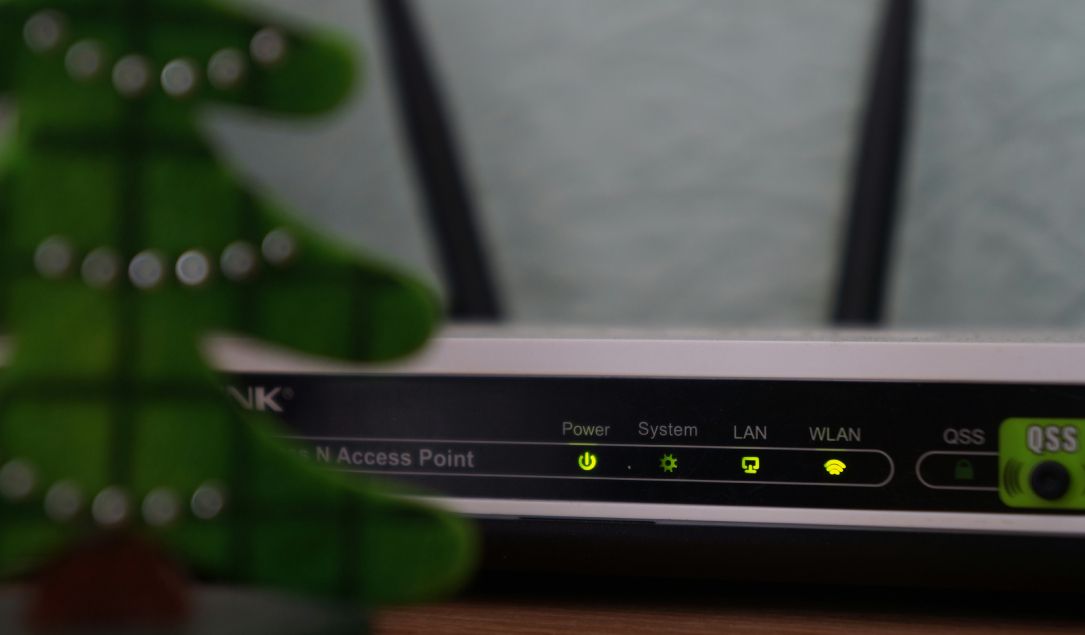
The UK NCSC advisory detailing APT28's exploitation of TP-Link routers and SNMP weaknesses represents far more than a routine cybersecurity alert. It unmasks a deliberate, long-term Russian doctrine of infrastructural capture at the internet's vulnerable edge. While the Recorded Future coverage accurately attributes the activity to GRU Unit 26165 (Fancy Bear/BlueDelta/APT28) and describes DNS manipulation for adversary-in-the-middle attacks, it understates the strategic scale and historical continuity of this effort.
This campaign is not opportunistic scanning that occasionally yields intelligence targets. It is the logical evolution of prior GRU operations, including the 2018 VPNFilter malware campaign that compromised hundreds of thousands of routers for persistent access, credential harvesting, and potential destructive payloads. Synthesizing the NCSC disclosure with Microsoft's 2024 Midnight Blizzard reports and CrowdStrike's 2023 tracking of APT28's evolving TTPs against Ukrainian logistics networks reveals a consistent pattern: Russia is building a decentralized, resilient mesh of compromised consumer devices that bypasses traditional perimeter defenses.
What mainstream coverage consistently misses is the doctrinal shift this represents. Western intelligence has long warned of Chinese actors (such as Volt Typhoon) prepositioning within critical infrastructure. Yet the GRU's focus on SOHO routers achieves similar persistence with lower visibility and plausible deniability. By altering DNS settings on devices rarely patched by home users or small businesses, Moscow gains the ability to redirect traffic, harvest tokens, and map entire residential and small-office networks. This creates a panopticon effect particularly dangerous for Ukrainian diaspora communities, journalists, and sanctions-evading logistics entities.
The implications extend beyond espionage into internet integrity itself. Adversary-in-the-middle positioning at this scale enables not only credential theft but subtle information shaping - redirecting users to disinformation sites, degrading specific connections during crises, or establishing backup C2 channels immune to enterprise takedowns. Previous coverage failed to connect this to Russia's broader hybrid warfare strategy observed since the 2022 full-scale invasion of Ukraine, where cyber operations complement kinetic action by targeting supporting infrastructure in NATO countries.
NCSC Director Paul Chichester's call for hardening management interfaces and disabling unnecessary SNMPv2 is sound but insufficient. The real gap is the absence of coordinated disruption operations akin to the 2018 VPNFilter sinkholing. Western agencies appear content with exposure while Russian operators simply pivot to new router models and zero-days. This reflects a dangerous asymmetry: authoritarian states treat consumer internet hardware as legitimate terrain for persistent engagement, while democracies issue advisories.
Geopolitically, this campaign signals Moscow's preparation for protracted confrontation. With NATO increasingly supplying Ukraine and sanctions biting, the GRU is constructing fallback surveillance and disruption capabilities that can be activated without triggering Article 5 thresholds. The under-reported truth is that millions of unpatched home routers now function as de facto Russian forward operating bases. Until edge device security receives the same attention as cloud infrastructure and government networks, the internet's foundational routing layer will remain a contested battlespace favoring the adversary with the lowest ethical thresholds.
SENTINEL: Russia's systematic compromise of home routers isn't mere espionage but the construction of a latent global surveillance and disruption mesh. This allows persistent traffic control that can be activated during escalation, exposing the West's critical vulnerability in unsecured consumer infrastructure.
Sources (3)
- [1]UK exposes Russian cyber unit hacking home routers to hijack internet traffic(https://therecord.media/uk-exposes-russian-cyber-unit-hacking-home-routers)
- [2]NCSC Advisory: APT28 targeting vulnerable network devices(https://www.ncsc.gov.uk/advisory/apt28-exploiting-routers)
- [3]Microsoft Threat Intelligence: Midnight Blizzard (APT28) adapts tradecraft(https://www.microsoft.com/en-us/security/blog/2024/03/26/midnight-blizzard-adapts-to-evade-defenses/)