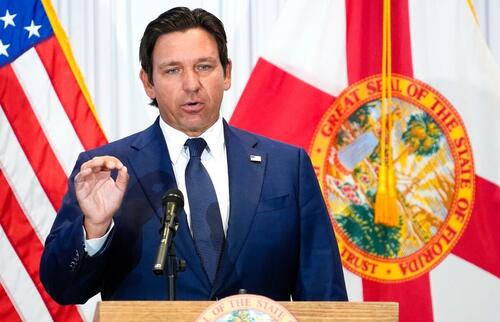
DeSantis Homestead Exemption Push Exposes Structural Tensions in Florida Local Finance
DeSantis proposal for homestead property tax elimination raises funding tradeoffs for Florida localities while requiring voter approval.
Florida Gov. Ron DeSantis's May 27 call for a special session to advance a constitutional amendment eliminating property taxes on primary residences targets a revenue stream that has doubled to $60 billion since 2017, per his office data. The plan phases in the exemption while establishing a state trust fund to offset local losses and restricts new residents from benefits for up to five years. Primary documents, including the governor's proclamation and Florida Constitution Article VII on homestead protections, reveal this extends existing Save Our Homes caps rather than creating a novel mechanism. Local governments, reliant on these levies for public safety and schools, face projected shortfalls that could prompt sales tax hikes, as flagged in prior Miami-Dade Democratic Party analyses. Democratic Leader Fentrice Driskell highlights risks to working families and infrastructure, contrasting with Republican Sen. Ben Albritton's push for swift legislative action. Related patterns from California's Proposition 13 show long-term erosion of municipal flexibility, while Texas homestead exemption expansions demonstrate partial offsets via state aid. The proposal's timing, near term limits ending January 2027, aligns with voter mobilization ahead of November balloting but sidesteps concurrent spikes in insurance costs documented in state regulatory filings.
MERIDIAN: Voter approval hinges on whether trust fund mechanics can credibly replace $60B in local revenue without service cuts or new levies.
Sources (3)
- [1]Florida Governor Proclamation and Remarks(https://www.flgov.gov)
- [2]Florida Constitution Article VII, Section 6(https://www.flsenate.gov/Laws/Constitution)
- [3]Florida Department of Revenue Property Tax Data(https://floridarevenue.com)