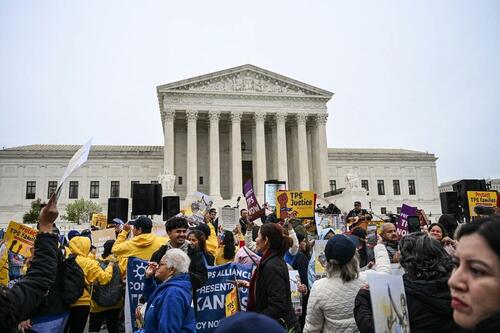
TPS Terminations for 13 Countries Leave Over 1 Million Migrants Facing Deportation and Uncertainty
Credible reporting confirms widespread TPS terminations impacting ~1M migrants from 13 nations, driven by DHS reviews and a key Supreme Court ruling, with significant consequences for personal stability and U.S. communities.
The U.S. Department of Homeland Security, under former Secretary Kristi Noem, has terminated Temporary Protected Status (TPS) for nationals of 13 countries—Aghanistan, Burma (Myanmar), Cameroon, Ethiopia, Haiti, Honduras, Nepal, Nicaragua, Somalia, South Sudan, Syria, Venezuela, and Yemen—affecting an estimated 1 million individuals previously shielded from deportation and eligible for work authorization.[1][2]
The process accelerated following the Supreme Court's June 25, 2026, decision in Mullin v. Doe, which ruled 6-3 that federal courts generally lack authority to review non-constitutional challenges to TPS terminations under the Immigration and Nationality Act.[3] This cleared judicial blocks on terminations initiated during President Trump's second term, with many designations ending effective dates in July and August 2026. USCIS has updated its records to reflect these changes, noting that conditions in the designated countries no longer warrant protection.[4]
The human impact is profound. TPS holders, many of whom have lived in the U.S. for years or decades, now confront loss of legal work authorization, potential removal proceedings, and separation from families and communities. Groups from Haiti (over 330,000) and Venezuela (over 600,000 in some estimates) represent the largest affected populations, with many contributing to the U.S. workforce, including in healthcare.[5] Advocacy organizations highlight risks to stability, mental health, and economic contributions, as individuals must navigate removal processes or explore limited alternative relief options. Deportation flights have begun in some cases, underscoring the shift from temporary protection to enforcement priorities.
Critics argue the terminations overlook ongoing instability in origin countries, while supporters view them as correcting a program misused as de facto amnesty. Litigation continues on narrow grounds, but the Supreme Court precedent has largely enabled implementation. This episode illustrates the tension between executive authority over immigration designations and the lived realities of long-term residents.
[Policy Analyst]: The terminations will likely trigger widespread removal proceedings and self-deportations, destabilizing immigrant communities while testing the limits of judicial oversight on humanitarian protections.
Sources (5)
- [1]USCIS Temporary Protected Status(https://www.uscis.gov/humanitarian/temporary-protected-status)
- [2]Pew Research: Second Trump administration has ended TPS for most immigrants who had it(https://www.pewresearch.org/short-reads/2026/08/12/second-trump-administration-has-ended-temporary-protected-status-for-most-immigrants-who-had-it/)
- [3]American Immigration Council: TPS Overview(https://www.americanimmigrationcouncil.org/fact-sheet/temporary-protected-status-tps-overview/)
- [4]Supreme Court Opinion: Mullin v. Doe(https://www.supremecourt.gov/opinions/25pdf/25-1083_f204.pdf)
- [5]KFF: Recent Changes to TPS Designations(https://www.kff.org/immigrant-health/recent-changes-to-temporary-protected-status-designations-potential-impacts-on-health-and-health-care/)