Chalmette Refinery Explosion Highlights U.S. Energy Infrastructure Fragility Amid Global Supply Strains
The explosion at PBF Energy's Chalmette refinery near New Orleans on May 8, 2026, disrupts a key Gulf Coast facility, risking regional fuel shortages amid global supply constraints. Beyond the incident, it exposes aging U.S. refinery infrastructure, underinvestment in safety, and policy tensions between energy reliability and decarbonization, potentially driving price spikes and political debate.
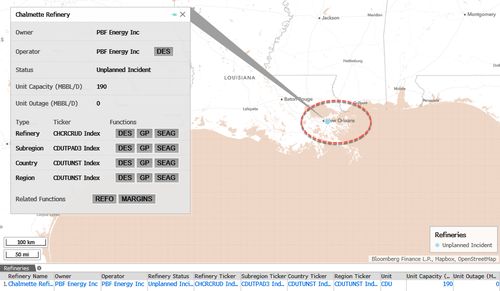
An explosion and subsequent fire at PBF Energy's Chalmette refinery near New Orleans on May 8, 2026, as reported by ZeroHedge, has disrupted operations at the 190,000-barrel-per-day facility, a key producer of gasoline, distillates, and specialty chemicals in the Gulf Coast region. While initial reports confirm no injuries or off-site impacts, the incident underscores deeper vulnerabilities in U.S. oil infrastructure at a time of tightening global fuel markets. The explosion, traced to a reformer heater used for producing octane-boosting components, could exacerbate regional fuel shortages if the outage is prolonged, particularly as refining margins incentivize maximum capacity operation, often at the expense of safety protocols, as noted by industry analysts on social media.
Beyond the immediate incident, this event fits into a broader pattern of increasing refinery disruptions worldwide, from Eastern Europe to the Middle East, as highlighted in the original coverage. However, what the initial reporting misses is the systemic context of aging U.S. refinery infrastructure and underinvestment in maintenance amid the push for renewable energy transitions. According to the U.S. Energy Information Administration (EIA), over 50% of U.S. refining capacity is housed in facilities built before 1980, many of which face deferred maintenance due to cost-cutting and regulatory pressures. The Chalmette refinery itself completed a month-long maintenance program in April 2026, per Bloomberg data cited in the source, raising questions about the adequacy of such interventions in preventing catastrophic failures.
This incident also intersects with geopolitical and economic pressures. Global supply chains are already strained by disruptions in critical chokepoints like the Strait of Hormuz, where ongoing tensions have reduced oil transit reliability, as reported by the EIA in its April 2026 Short-Term Energy Outlook. Domestically, the U.S. faces a shrinking refining buffer as 'green' policies have discouraged new capacity investments, a trend echoed in recent fires at refineries in Australia and Mexico. The Chalmette explosion could thus act as a catalyst for short-term price spikes in gasoline and diesel, particularly in the Southeast U.S., where the refinery plays a pivotal role in supply chains. GasBuddy analyst Patrick De Haan’s comment on 'crack spreads soaring' points to the financial incentives for refiners to prioritize output over safety, a dynamic that may have contributed to this incident and could presage further outages.
What’s also absent from the original coverage is the potential policy fallout. The timing of this explosion, amid a contentious U.S. energy policy landscape, may reignite debates over balancing fossil fuel reliability with decarbonization goals. Governor Jeff Landry’s immediate response, as tweeted, signals political attention, but whether this translates into calls for stricter safety regulations or accelerated infrastructure modernization remains unclear. Historical patterns suggest mixed outcomes: post-Hurricane Katrina, Gulf Coast refineries received federal support for resilience upgrades, yet chronic underfunding persists, as noted in a 2023 Department of Energy report on energy security.
In synthesizing these elements, the Chalmette explosion is not merely a localized event but a symptom of structural weaknesses in the U.S. energy system, compounded by global supply fragility. The interplay of aging infrastructure, economic incentives, and geopolitical risks suggests that such incidents may become more frequent unless systemic reforms address root causes rather than reactive fixes. While the human safety outcome here is positive, the economic and policy ripple effects could be far-reaching, potentially influencing everything from fuel prices to voter sentiment in energy-dependent regions.
MERIDIAN: The Chalmette refinery outage could trigger a 5-10% spike in Southeast U.S. fuel prices within weeks if repairs extend beyond a month, while amplifying calls for federal intervention in energy infrastructure resilience.
Sources (3)
- [1]Explosion Rocks Major New Orleans-Area Refinery As Fuel Markets Tighten(https://www.zerohedge.com/energy/doesnt-look-good-explosion-rocks-major-new-orleans-area-refinery-fuel-markets-tighten)
- [2]U.S. Energy Information Administration - Short-Term Energy Outlook, April 2026(https://www.eia.gov/outlooks/steo/)
- [3]Department of Energy Report on Energy Security, 2023(https://www.energy.gov/policy/articles/energy-security-report-2023)