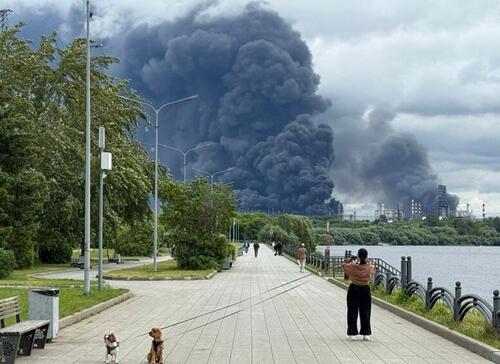
Ukrainian Drone Strikes Force Prolonged Shutdown at Moscow's Largest Refinery, Exposing Vulnerabilities in Russian Energy Infrastructure
Corroborated by Reuters and multiple outlets, Ukrainian drones struck Moscow's key Gazprom Neft refinery twice in June 2026, halting operations with repairs projected at six months or more. This escalates energy infrastructure targeting amid Russian fuel challenges, with wider supply and strategic implications.
Multiple Ukrainian drone attacks in mid-June 2026 have severely damaged Gazprom Neft's Moscow Oil Refinery, located in the Kapotnya district on the southeastern outskirts of the Russian capital, leading to a suspension of all crude processing and an expected outage of at least six months—potentially extending into 2027.[1][2] The facility, which processed 11.6 million metric tons of crude in 2024 and supplied a significant portion of fuel to the Moscow region, was hit on June 16 and again on June 18, damaging key primary distillation units accounting for the plant's full capacity.[3]
These strikes represent an intensification of Ukraine's long-range drone campaign targeting Russian energy assets, amplifying pressures on domestic fuel supplies amid existing shortages. Reuters reports, citing industry sources, indicate repairs will take at least half a year, with both main processing units offline.[4] Russia has reportedly sought gasoline imports from Kazakhstan and is considering export bans on diesel to stabilize markets.[5]
The attacks highlight broader patterns in the conflict's evolution toward infrastructure warfare, with direct implications for regional energy security. The refinery's proximity to Moscow (about 15-16 km from the Kremlin) underscores the symbolic and operational reach of Ukrainian capabilities, occurring alongside strikes on other sites like power facilities in Crimea.[6] While Russian authorities have reported intercepting most drones, the successful hits demonstrate persistent challenges in air defense. This escalation occurs against a backdrop of fluctuating global oil dynamics, where Russian revenues have benefited from certain market shifts but face mounting domestic constraints.
Deeper connections emerge in how such targeted disruptions could compound logistical strains, potentially affecting military sustainment and civilian economies far beyond immediate fuel price spikes. The campaign aligns with Ukrainian statements framing strikes as responses to Russian actions and efforts to pressure negotiations.
[Energy Analyst]: Prolonged refinery outages like this could accelerate Russia's shift toward import dependencies and export curbs, potentially tightening European and Asian fuel markets while signaling sustained Ukrainian pressure on Russian logistics.
Sources (5)
- [1]Ukrainian drone strike halts operations at Moscow oil refinery, sources say(https://www.reuters.com/world/moscow-oil-refinery-damaged-ukrainian-drone-attack-mayor-says-2026-06-16/)
- [2]Moscow Oil Refinery Unlikely to Resume Production Until 2027 – Reuters(https://www.themoscowtimes.com/2026/06/24/moscow-oil-refinery-unlikely-to-resume-production-until-2027-reuters-a93088)
- [3]Moscow Refinery Knocked Offline Until 2027 After Drone Attacks(https://www.kyivpost.com/post/78886)
- [4]Moscow Oil Refinery May Remain Offline Until 2027 After Ukrainian Drone Strikes(https://united24media.com/war-in-ukraine/moscow-oil-refinery-may-remain-offline-until-2027-after-ukrainian-drone-strikes-20123)
- [5]Ukraine brings the war to Moscow as huge blasts shake refinery(https://www.reuters.com/world/europe/ukraine-brings-war-moscow-huge-blasts-shake-refinery-2026-06-18/)