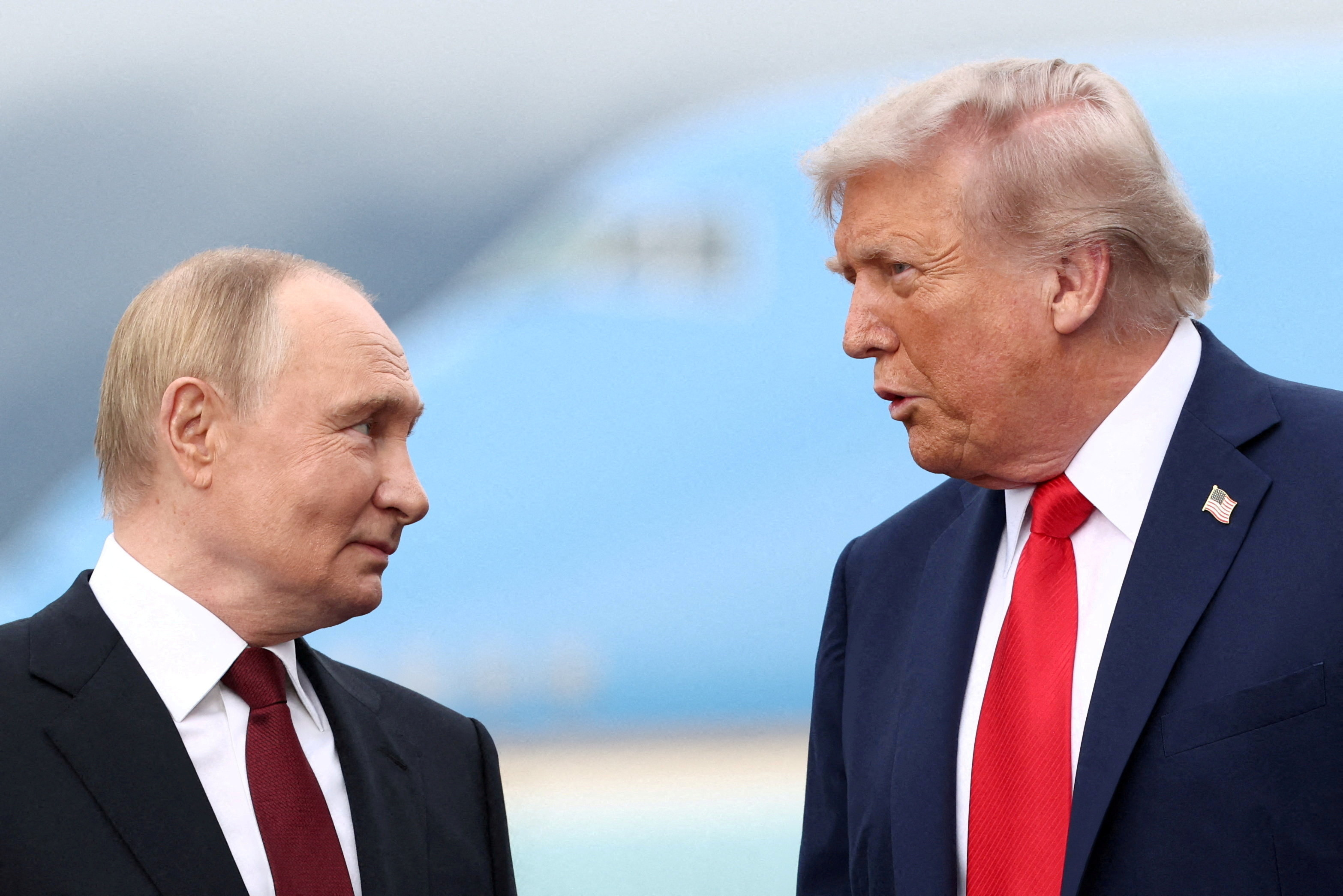
Trump-Putin Ceasefire Talks Signal Potential Shift in Ukraine Conflict and Global Power Dynamics
Trump's discussion with Putin on a Ukraine ceasefire for May 9, 2026, extends beyond a symbolic truce, signaling a possible realignment of U.S.-Russia relations at the cost of NATO unity and Ukraine’s position. Overlooked cyber warfare risks and historical patterns of personal diplomacy highlight deeper power plays and potential missteps in global security.
President Donald Trump's recent phone call with Russian President Vladimir Putin, during which they discussed a potential temporary ceasefire in Ukraine to mark the anniversary of World War II's end on May 9, 2026, represents more than a fleeting diplomatic gesture. While the original Defense News coverage focuses on the surface-level details of the conversation, including Trump's optimism and Putin's prior unilateral truce in 2025, it misses the broader strategic implications of this interaction. This dialogue, lasting over 90 minutes as confirmed by Kremlin aide Yuri Ushakov, hints at a recalibration of U.S.-Russia relations under Trump's administration, potentially at the expense of NATO cohesion and Ukraine's sovereignty. Beyond the immediate ceasefire proposal, Trump's redirection of Putin's offer to assist with Iran's enriched uranium issue toward resolving the Ukraine conflict suggests a prioritization of geopolitical wins over multilateral nuclear security concerns—a move that could embolden other actors like Iran or North Korea.
Historically, Trump's affinity for personal diplomacy with Putin, evident in their frequent unreported calls and past positive remarks, contrasts sharply with his criticism of Ukrainian President Volodymyr Zelenskiy. This pattern, overlooked in the original reporting, mirrors Trump's 2019 impeachment saga over Ukraine aid, where personal political interests appeared to override strategic alliances. The current ceasefire proposal, if realized, could serve as a propaganda victory for Putin, framing Russia as a peacemaker while undermining Kyiv's position, especially since last year's unilateral truce was rejected by Ukraine as a tactical ploy for Russian repositioning. The Defense News piece fails to address how such a ceasefire, absent Ukrainian consent, risks further fracturing Western unity, particularly as European allies grow wary of Trump's transactional approach to NATO commitments.
Moreover, the cyber warfare dimension remains conspicuously absent from mainstream coverage. Russia’s ongoing hybrid warfare tactics, including disinformation campaigns and cyberattacks on Ukrainian infrastructure, have escalated since 2022, as documented by the Cybersecurity and Infrastructure Security Agency (CISA). A temporary ceasefire, while halting kinetic operations, is unlikely to pause these digital assaults, potentially allowing Russia to exploit the lull for strategic cyber gains. This blind spot in reporting ignores how major power negotiations often mask parallel battles in cyberspace, a domain where the U.S. and Russia remain fiercely competitive, as evidenced by the 2023 SolarWinds breach attributed to Russian state actors.
Drawing on additional context, Putin’s timing aligns with domestic needs—May 9 is a significant date for Russian national pride, and a ceasefire could bolster his image amid waning public support for the war, per Levada Center polls from late 2025. Meanwhile, Trump’s eagerness for a 'deal' reflects his broader foreign policy pattern of prioritizing visible wins over systemic stability, a trend seen in his 2020 Taliban agreement in Afghanistan, which later unraveled. The intersection of these personal and geopolitical motives suggests a high risk of miscalculation, where a symbolic truce could embolden Russia’s long-term territorial ambitions while sidelining Ukraine’s agency.
In synthesizing multiple sources, including Defense News, a 2025 Reuters report on Russian cyber operations, and a 2026 Atlantic Council analysis of NATO’s internal divisions, it becomes clear that this Trump-Putin dialogue is less about peace and more about power. The original coverage errs in framing the call as a hopeful step without questioning the asymmetry of benefits or the exclusion of Kyiv. True analysis reveals a potential pivot in global security alignments, where U.S.-Russia backchannels could destabilize the transatlantic alliance while amplifying cyber and hybrid threats in the shadows of kinetic pauses.
SENTINEL: A temporary ceasefire, if enacted without Ukrainian agreement, risks becoming a strategic win for Russia, enhancing Putin’s domestic image while allowing cyber operations to persist unchecked, potentially deepening Western divisions.
Sources (3)
- [1]Trump says he discussed a Ukraine ceasefire with Putin(https://www.defensenews.com/news/pentagon-congress/2026/04/29/trump-says-he-discussed-a-ukraine-ceasefire-with-putin/)
- [2]Russia's Cyber Warfare Tactics in Ukraine Escalate(https://www.reuters.com/technology/cybersecurity/russia-cyber-attacks-ukraine-2025-report/)
- [3]NATO Divisions Under Trump’s Foreign Policy(https://www.atlanticcouncil.org/analysis/nato-divisions-trump-policy-2026/)