Lockdown Legacies: Quantifying the Compounding GDP Scars, Purchasing Power Collapse, and Upward Wealth Transfers
Pandemic lockdowns and policy responses caused not just temporary disruption but lasting GDP erosion via learning losses (World Bank, Wharton: up to $17T earnings hit, 1.4% lower 2051 GDP), inflation understated by official metrics (WSJ/Reality Index: ~32% higher cumulative prices), and wealth transfers favoring asset owners (St. Louis Fed, Stanford). These interconnected effects suggest deeper long-term currency debasement and productivity scars than conventional accounts acknowledge.
While official narratives emphasize a V-shaped recovery from the 2020 pandemic downturn, heterodox analyses combined with credible institutional research reveal deeper, longer-term structural damage. Mainstream estimates from the IMF described the period as 'The Great Lockdown,' projecting cumulative global losses in the trillions and warning of scarring effects on potential output through disrupted investment, supply chains, and human capital. These short-term contractions masked enduring consequences, particularly from prolonged school closures that produced significant learning losses.
The World Bank has estimated that pandemic-related learning disruptions could cost today's students up to $17 trillion in lifetime earnings, with lasting impacts on productivity and wellbeing that threaten medium- and long-term economic recovery. Complementing this, the Penn Wharton Budget Model projects that learning loss from school closures will reduce U.S. GDP by approximately 1.4% by 2051 absent major remedial action, as lower human capital drags on labor productivity, wages, tax revenues, and capital accumulation. These figures illustrate a generational transfer: costs borne by younger cohorts through diminished opportunities while benefits of stimulus flowed elsewhere.
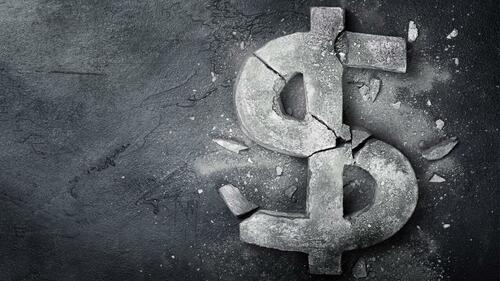
Parallel to human capital erosion is monetary and price distortion. Massive fiscal and monetary interventions during lockdowns fueled inflation that eroded real purchasing power far beyond official CPI readings. As highlighted in a Wall Street Journal analysis of the Reality Index project, alternative price measurements using fixed baskets without hedonic adjustments or substitution biases show prices rising substantially faster over decades—suggesting cumulative inflation roughly 32% higher than government figures since 1980, equivalent to a major loss in dollar purchasing power. Post-2020, this manifested in sustained higher costs for essentials like housing, food, and healthcare, even as official statistics portrayed moderation.
This inflation functions as a stealth wealth transfer mechanism. Research from the St. Louis Fed explains how unexpected inflation redistributes from creditors (often older, wealthier households) to debtors, but pandemic dynamics amplified upward flows: excess savings from stimulus initially supported lower-income spending that, per Stanford researchers, ultimately 'trickled up' to high earners and asset owners through consumption cycles in a relatively closed economy. Financial asset inflation further concentrated gains among the wealthy, while real wages for many stagnated and labor force participation lagged. The FRB San Francisco documented how pandemic excess wealth peaked at $13 trillion before inflation eroded real values, disproportionately benefiting those positioned in equities and real estate.
Connecting these threads reveals policy consequences legacy coverage often misses: lockdowns and the response package created a compound effect where suppressed output, human capital depreciation, and debased currency reinforced inequality. Monetary expansion inflated asset prices for owners while inflation taxed cash savings and fixed incomes; learning losses promise lower future growth precisely when demographic pressures demand higher productivity. Official methodologies—frequent changes to inflation calculation, owners' equivalent rent for housing, quality adjustments—systematically understate these pressures, painting a rosier recovery than households experience. The result is a quiet erosion: potentially 5-12% cumulative GDP shortfall when adjusted for reality-based deflators, alongside a dollar retaining fractions of its prior command over goods and services. Without addressing root measurement issues and human capital recovery, these lockdown legacies risk locking in lower trend growth and heightened social strains for decades.
LIMINAL: Lockdown-era policies created a self-reinforcing cycle of human capital destruction, hidden inflation, and asset-favoring wealth transfers that will suppress trend GDP growth by 1-2% annually for decades while permanently shifting economic power upward, effects official statistics are structurally unequipped to measure.
Sources (6)
- [1]Learning Loss Must be Recovered to Avoid Long-term Damage to Children’s Wellbeing and Productivity, New Report Says(https://www.worldbank.org/en/news/press-release/2022/01/26/learning-loss-must-be-recovered-to-avoid-long-term-damage-to-children-s-wellbeing-and-productivity-new-report-says)
- [2]COVID-19 Learning Loss: Long-run Macroeconomic Effects Update(https://budgetmodel.wharton.upenn.edu/p/2021-10-27-covid-19-learning-loss-long-run-macroeconomic-effects-update/)
- [3]The Great Lockdown: Worst Economic Downturn Since the Great Depression(https://www.imf.org/en/blogs/articles/2020/04/14/blog-weo-the-great-lockdown-worst-economic-downturn-since-the-great-depression)
- [4]Let's Get Real About Inflation(https://www.wsj.com/opinion/free-expression/lets-get-real-about-inflation-3889d4f7)
- [5]The Impact of Inflation's Wealth Transfer Effect(https://www.stlouisfed.org/publications/regional-economist/2022/aug/impact-inflation-wealth-transfer-effect)
- [6]Q&A: How pandemic savings are 'trickling up' to the super-rich(https://siepr.stanford.edu/news/qa-how-pandemic-savings-are-trickling-super-rich)