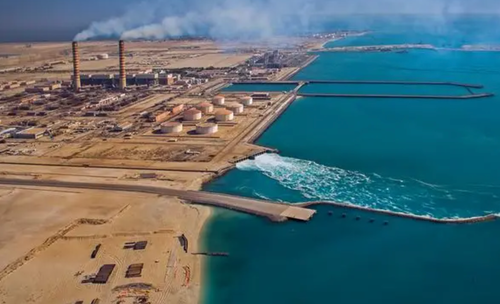
Iranian Strikes on Kuwaiti Desalination Plants Highlight Gulf Water Infrastructure as New Front in Asymmetric Warfare
Iranian drone and missile strikes on Kuwaiti power and desalination plants amid Operation Epic Fury expose the Gulf's heavy reliance on these facilities for water supply, signaling a dangerous evolution in asymmetric conflict toward critical civilian infrastructure that could trigger humanitarian emergencies.
Recent Iranian attacks on critical infrastructure in Kuwait have brought renewed attention to the extreme vulnerability of water desalination plants across the Gulf region. On April 3, 2026, Kuwaiti authorities reported that an Iranian strike damaged components of a power and desalination plant, following an earlier assault on an oil refinery. This incident, which echoes a March 30 attack that killed an Indian worker at a similar facility, underscores how water infrastructure is increasingly entering the crosshairs amid the ongoing US-Israel war on Iran, known as Operation Epic Fury.[1][2] Gulf states, which produce roughly 40% of the world's desalinated water and operate over 400 such plants, lack permanent rivers and rely heavily on these facilities due to arid desert conditions and minimal rainfall. Disruption to these plants could rapidly escalate into a humanitarian crisis in nations where desalinated water supplies the majority of drinking water for growing populations, industries, and agriculture. Unlike traditional focus on oil facilities like the UAE's Habshan gas hub, targeting desalination represents a novel dimension of asymmetric warfare—directly threatening civilian survival resources in a region where water scarcity is existential. Iran has denied responsibility for some strikes, accusing Israel of false-flag operations, while mainstream coverage has often prioritized oil and military targets over these second-order risks to water security. This shift could force Gulf states to reassess defenses for non-oil critical infrastructure, revealing blind spots in regional preparedness that extend beyond conventional battlefields.[3][4]
LIMINAL: Targeting desalination plants introduces a potent asymmetric lever in Gulf conflicts, where water shortages could destabilize societies faster than oil disruptions, forcing rapid humanitarian responses and exposing over-reliance on vulnerable coastal infrastructure.
Sources (4)
- [1]Iranian attack damages Kuwait power and desalination plant, kills worker(https://www.aljazeera.com/news/2026/3/30/iranian-attack-damages-kuwait-power-and-desalination-plant-kills-worker)
- [2]Indian worker killed in Iranian attack on Kuwait power, desalination plant(https://www.reuters.com/world/india/indian-worker-killed-iranian-attack-kuwait-power-desalination-plant-2026-03-29/)
- [3]Kuwait says an Iranian attack damaged a desalination plant after an earlier assault on an oil refinery(https://abcnews.com/Business/wireStory/kuwait-iranian-attack-damaged-desalination-plant-after-earlier-131678905)
- [4]Middle East crisis live: Iran strikes oil refinery in Kuwait(https://www.theguardian.com/world/live/2026/apr/03/middle-east-crisis-live-trump-urges-iran-to-make-deal-after-bridge-strike)