Sea-to-Sky Convergence: Ukraine's USV-Launched Interceptor Marks Pivotal Leap in Autonomous Multi-Domain Warfare
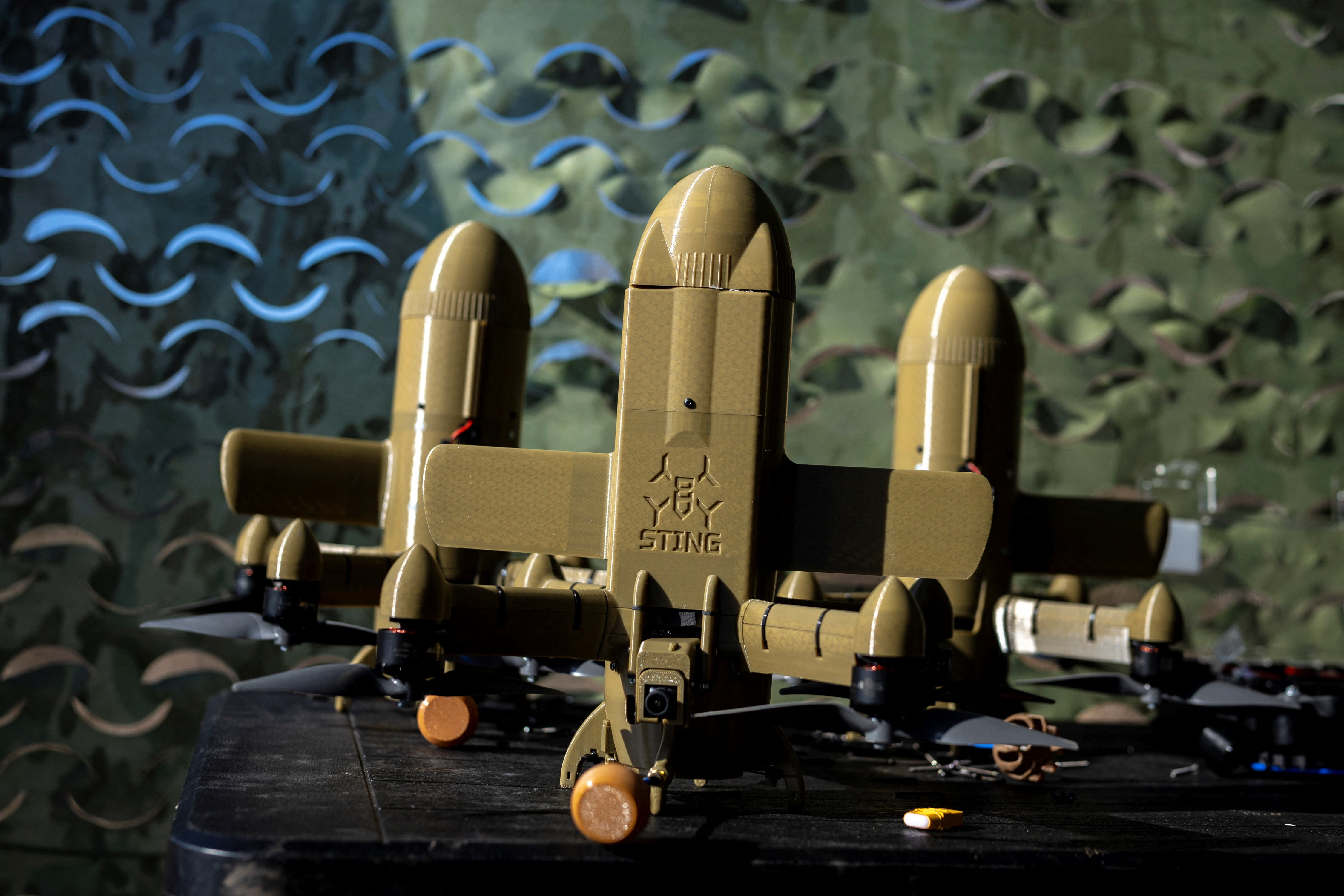
Ukraine's first successful launch of a Sting interceptor from an unmanned surface vessel against a Shahed drone reveals a deeper shift toward hybrid autonomous systems that merge naval mobility with aerial defense, offering cost-effective, mobile protection that challenges Russia's attrition strategy and is poised to influence global naval doctrine from the Black Sea to the Indo-Pacific.
The Ukrainian Unmanned Systems Forces' successful launch of a Sting interceptor from an unmanned surface vessel against a Russian Shahed drone is more than a tactical first—it represents a structural evolution in autonomous warfare that integrates maritime mobility with aerial denial in ways traditional defense planning has largely overlooked. While the Defense News report correctly identifies this as the inaugural use of such a method and notes its potential to shield southeastern cities like Odesa, it frames the event too narrowly as an incremental air-defense supplement. What it misses is the convergence of proven Ukrainian USV tactics ( honed through repeated strikes on the Black Sea Fleet using Magura and similar platforms) with expendable aerial interceptors, creating a mobile, low-signature "mother ship" concept that can patrol contested waters and provide on-demand kinetic defense without fixed infrastructure or manned aircraft.
This development builds directly on patterns established since 2022. RUSI's multiple assessments on Ukrainian drone innovation (particularly their 2024 and early 2025 papers documenting asymmetric cost curves in the Black Sea) show Kyiv has already forced Russia to redeploy high-value assets and alter naval doctrine. A CSIS analysis on "Autonomous Systems in Prolonged Conflict" further contextualizes this within a global shift where attritable unmanned platforms erode the dominance of expensive, exquisite systems. The original coverage underplays the economic dimension: Shaheds cost Russia an estimated $20,000–$50,000 per unit while forcing Ukraine to expend scarce Patriot missiles at $4 million each. Indigenous Sting-type interceptors, produced domestically for under $25,000 according to Ukrainian manufacturers cited in IISS reporting, restore economic rationality to the defense equation.
Beyond immediate protection of port cities and grain routes, the innovation carries strategic weight. By launching from vessels that can loiter for days with minimal logistics, Ukraine effectively extends its air-defense envelope over maritime approaches without depleting ground-based SAM stocks or risking pilots. This directly counters Moscow's dual-purpose campaign of civilian terror and leverage creation ahead of any negotiations. Russia will likely respond with hardened Shahed variants, dedicated anti-USV munitions, or electronic warfare packages targeting the control links—patterns already observed in their adaptation to Ukrainian sea drones.
The broader implications are global. The U.S. Navy's Project Overmatch and the Pentagon's Replicator initiative explicitly reference Ukrainian lessons; this sea-launched interceptor model could translate to distributed operations against Chinese swarms in the Taiwan Strait or Iranian drone tactics in the Persian Gulf. What Western observers have been slow to recognize is that Ukraine is not merely innovating out of necessity but prototyping the future operating concept for littoral powers: affordable, autonomous, cross-domain systems that compress the sensor-to-shooter loop while remaining resilient to attrition. This event is therefore less an isolated engineering success and more a harbinger of doctrinal convergence that will compel every major navy to reassess the vulnerability of fixed defenses and the utility of unmanned "arsenal barges" at sea.
SENTINEL: Ukraine's fusion of USVs with aerial interceptors creates relocatable, low-cost air defense bubbles over maritime zones, likely accelerating adoption by NATO and Pacific partners while forcing Russia and China to prioritize counter-unmanned countermeasures in their next-generation systems.
Sources (3)
- [1]In first, Ukrainian unmanned vessel launches interceptor to knock out Shahed drone(https://www.defensenews.com/industry/techwatch/2026/04/23/in-first-ukrainian-unmanned-vessel-launches-interceptor-to-knock-out-shahed-drone/)
- [2]Ukrainian Drone Warfare: Innovation Amid Attrition(https://rusi.org/explore-our-research/publications/specialist-comment/ukrainian-drone-warfare)
- [3]Autonomous Weapons and Emerging Technologies in the Russia-Ukraine War(https://www.csis.org/analysis/autonomous-weapons-emerging-technologies-russia-ukraine-war)