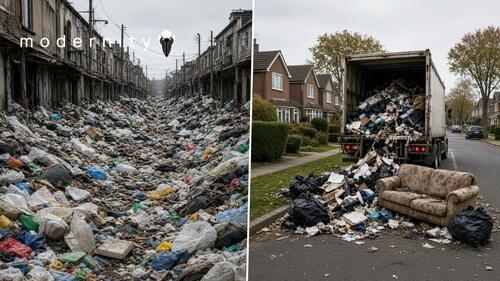
India's Persistent Waste Crisis: Documented Challenges Amid New 2026 Regulations
Viral 'Pindia Challenge' reflects India's real waste management struggles, corroborated by 2026 SWM rules updates, plastic pollution studies, and World Bank data on South Asian waste handling. Focus remains on environmental and policy realities rather than unverified geopolitical warnings.
The 'Pindia Challenge,' a viral social media game involving random Google Street View drops in India to find trash-free spots, highlights a well-documented environmental issue. While the meme format amplifies anecdotal visuals, official data and reports confirm significant gaps in India's solid waste management.
India generates substantial municipal solid waste, with projections reaching 435 million tonnes by 2050. The introduction of Solid Waste Management (SWM) Rules 2026, effective April 1, 2026, replaces the 2016 framework to mandate better segregation, accountability, and reduced landfill reliance. However, analyses note persistent challenges including incomplete segregation, incentives for waste burning, and enforcement gaps.[1][2]
On plastics, India ranks among the top global polluters. Estimates indicate 9.3 million tonnes of plastic waste generated annually, with millions of tonnes mismanaged and leaking into the environment, contributing significantly to ocean plastics alongside countries like the Philippines and Indonesia. Per capita plastic consumption has risen, driven by urbanization and packaging demand.[3][4]
World Bank assessments of South Asia, including India, show lower waste collection and treatment rates compared to higher-income regions, with much waste openly dumped. Emissions from the waste sector have increased, primarily methane from landfills and open dumping.[5][6]
The geopolitical framing in some commentary links these issues to migration and global power shifts involving India and China. Credible sources focus instead on domestic policy responses and environmental data without direct ties to Western migration impacts. New rules emphasize digital traceability and penalties, signaling recognition of the scale but raising questions about implementation capacity in a rapidly urbanizing nation.[7]
Analyst: India's waste infrastructure upgrades via 2026 rules could mitigate visible pollution hotspots over the next decade if enforcement improves, but rapid urbanization may sustain challenges visible in public data and imagery, influencing perceptions of emerging powers.
Sources (6)
- [1]India’s waste management rules have a burning problem(https://idronline.org/article/environment/indias-waste-management-rules-have-a-burning-problem/)
- [2]India's Solid Waste Management Rules, 2026(https://www.envacgroup.com/insights/indias-solid-waste-management-rules-2026-what-decision-makers-and-end-users-need-to-know/)
- [3]Plastic waste in India - statistics & facts(https://www.statista.com/topics/12506/plastic-waste-in-india/)
- [4]Plastic Pollution - Our World in Data(https://ourworldindata.org/plastic-pollution)
- [5]What a Waste 3.0 - World Bank(https://www.worldbank.org/en/publication/what-a-waste)
- [6]India's waste-climate opportunity begins before disposal(https://india.mongabay.com/2026/06/indias-waste-climate-opportunity-begins-before-disposal-commentary/)