Federal Judge Strikes Down Texas Drag Law for Second Time, Citing Overbreadth and Vagueness
Judge Hittner again blocks Texas SB12 targeting drag and similar performances as overbroad and vague, blocking enforcement while Paxton appeals; case tests free speech boundaries post-Moody decision.
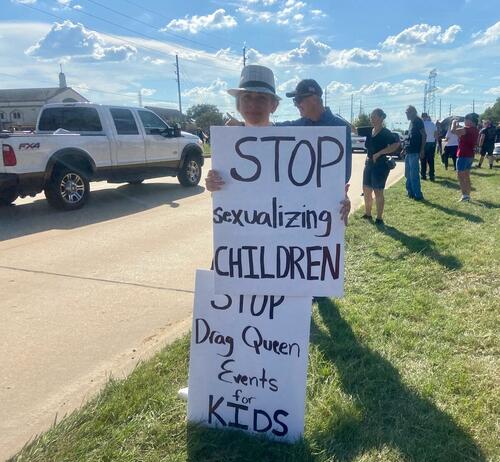
U.S. District Judge David Hittner on August 25, 2026, permanently enjoined Texas Attorney General Ken Paxton from enforcing Senate Bill 12, ruling the 2023 law an unconstitutional restriction on protected speech under the First Amendment as incorporated by the Fourteenth Amendment. This marks the second time Hittner has blocked the measure, which targets 'sexually oriented performances' in venues accessible to minors or on public property, imposing civil penalties on businesses and criminal penalties (up to a year in jail and $4,000 fine) on performers. The statute defines such performances as those featuring nudity or conduct appealing to the 'prurient interest in sex,' including the use of prosthetics exaggerating sexual characteristics or suggestive gestures. Hittner found the law facially overbroad and vague, noting it could ensnare a wide range of expression including performances by Dolly Parton, Elvis Presley, Miley Cyrus, Olympic swimmers, cheerleaders, ballet, musicals, and even provocative cosplay. He emphasized that the solution for those offended is simple: 'just don't go.' The ruling followed the Fifth Circuit's 2026 remand requiring reconsideration under the Supreme Court's Moody v. NetChoice framework for facial First Amendment challenges, which Hittner applied without altering his core conclusions. Paxton, a Republican candidate for U.S. Senate, vowed an immediate appeal, calling the decision 'profoundly flawed' and an affront to efforts protecting children. The ACLU of Texas, representing plaintiffs including drag performer Brigitte Bandit and entertainment companies, hailed the outcome as confirming the law's unconstitutionality from inception. This case highlights tensions between state efforts to regulate content viewed as harmful to minors and judicial scrutiny of viewpoint-based restrictions on expressive performances. Related litigation in other states and evolving Supreme Court precedents on content moderation and speech could influence future challenges, underscoring how procedural remands and new doctrinal frameworks can reshape enforcement of social legislation.
LIMINAL: This ruling entrenches judicial pushback against broad content-based restrictions, likely prolonging litigation and pressuring states to narrow 'child protection' laws targeting expressive performances to survive constitutional review.
Sources (6)
- [1]Texas’ limits on certain drag shows ruled unconstitutional again(https://apnews.com/article/texas-public-drag-shows-restrictions-lawsuit-63cdca36fa24072e43bbe9493254f019)
- [2]US judge again blocks Texas law targeting drag acts as unconstitutional(https://www.reuters.com/legal/government/us-judge-again-blocks-texas-law-targeting-drag-acts-unconstitutional-2026-08-26/)
- [3]Texas Law Targeting Drag Shows Is Struck Down Again by Judge(https://www.nytimes.com/2026/08/26/us/drag-show-ban-texas-judge.html)
- [4]Federal Court Rules Again that Texas Drag Ban Is Unconstitutional(https://www.aclutx.org/press-releases/federal-court-rules-again-that-texas-drag-ban-is-unconstitutional/)
- [5]Judge cites Dolly Parton in ruling on Texas drag ban(https://www.usatoday.com/story/news/nation/2026/08/26/texas-drag-ban-ruling/91470326007/)
- [6]Federal judge in Houston again strikes down Texas drag show law(https://www.houstonchronicle.com/news/houston-texas/trending/article/judge-texas-drag-ban-unconstitutional-22403170.php)