MIT Graduate Student's Unauthorized Dimethylmercury Claim Triggers Multi-Day Hazmat Response and Lab Closure, Exposing Academic Safety Oversight Gaps
MIT incident involving student claim of synthesizing deadly dimethylmercury led to hazmat response and building closure; blood tests negative and synthesis unconfirmed, but raises key lab safety and oversight issues in academia.
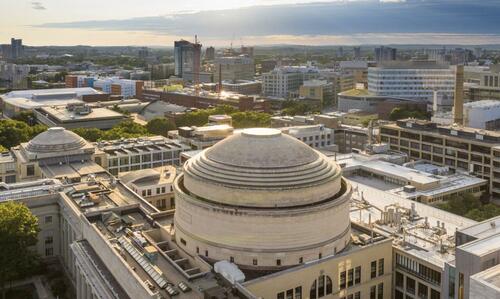
An MIT graduate student triggered a significant hazardous materials response on August 26, 2026, after self-reporting to a local emergency room that they had synthesized dimethylmercury—a notoriously lethal organomercury compound—in Building 18 (the Camille Edouard Dreyfus Chemistry Building). The claim prompted Cambridge emergency responders, building closure, and specialized decontamination by Triumvirate Environmental, with the student's residence hall common areas also cleaned as a precaution. MIT officials confirmed the student was not authorized to work with the substance and that it was unrelated to their approved research. By August 29, emerging information raised doubts about whether the compound had actually been produced, and the student's initial blood test showed no signs of mercury exposure, though they remained under medical supervision. The building reopened on August 31 after experts deemed it safe, with low risk of secondary exposure to the community. This incident echoes the 1997 death of Dartmouth professor Karen Wetterhahn from minimal skin exposure via latex gloves and a 2012 alleged criminal use in Germany, underscoring dimethylmercury's extreme toxicity—it can permeate many gloves and materials rapidly. Deeper analysis reveals systemic concerns: academic labs handling ultra-hazardous chemicals require rigorous authorization and monitoring, yet unauthorized synthesis attempts highlight potential regulatory blind spots in university oversight, where even unverified claims necessitate costly responses. Sources including NBC Boston, C&EN, The Boston Globe, and MIT's own emergency updates corroborate the timeline and outcomes, emphasizing the need for enhanced protocols to prevent both accidental and intentional risks in research settings.
LIMINAL: Stricter pre-authorization verification and real-time monitoring for high-risk chemical syntheses in universities could prevent resource-intensive false alarms while better safeguarding against genuine threats to public health.
Sources (6)
- [1]MIT student claims to synthesize dangerous chemical, prompting hazmat response – NBC Boston(https://www.nbcboston.com/news/local/mit-chemical-hazmat-building-18/4006077/)
- [2]MIT chemistry building reopens after hazardous material incident - C&EN(https://cen.acs.org/safety/lab-safety/mit-chemistry-building-dimethylmercury/104/web/2026/08)
- [3]MIT student has 'no signs' of mercury exposure after concerns of chemical leak - Boston.com(https://www.boston.com/news/local-news/2026/08/30/mit-student-has-no-signs-of-mercury-exposure-after-concerns-over-highly-toxic-chemical-leak/)
- [4]MIT reopens chemistry building after decontamination efforts - The Boston Globe(https://www.bostonglobe.com/2026/08/31/business/mit-chemistry-building-reopens/)
- [5]MIT student claims he synthesized one of the deadliest chemicals known to man — sparking massive hazmat response - NY Post(https://nypost.com/2026/08/30/us-news/mit-student-claims-he-synthesized-one-of-the-deadliest-chemicals-known-to-man-sparking-massive-hazmat-response/)
- [6]Dimethylmercury - Wikipedia(https://en.wikipedia.org/wiki/Dimethylmercury)