Screwworm Resurgence Tests U.S. Biosecurity Protocols Amid Shifting Pest Ranges
Analysis of USDA primary detections reveals gaps in linking screwworm cases to climate-driven pest patterns and supply chain vulnerabilities, contrasting eradication history with current multi-state findings.
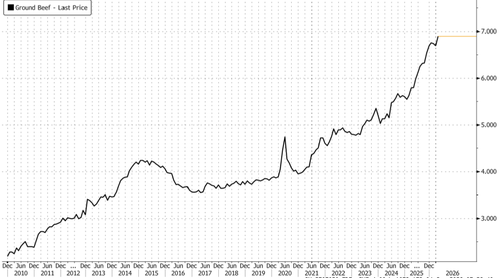
USDA Animal and Plant Health Inspection Service releases from June 2026 document five confirmed New World screwworm detections across Texas and New Mexico, including the first Lea County case in a non-traveling dog. These primary records emphasize immediate sterile insect technique expansion at the South Texas dispersal facility without addressing longer-term range dynamics. Cross-referencing with historical APHIS eradication archives from the 1960s shows reliance on the same sterile fly method that eliminated the pest domestically by 1966, yet current reports omit integration with NOAA climate datasets indicating northward expansion of subtropical fly habitats. Entomological assessments from University of Florida primary correspondence note increased vigilance rather than confirmed spread velocity. Economic analyses, including Goldman Sachs commodity notes, highlight pressure on already reduced cattle inventories at 75-year lows, while Mexican COFEPRIS border surveillance documents provide comparative data on cross-boundary larval flows absent from U.S. coverage. Multiple viewpoints emerge on whether detections reflect surveillance intensity or genuine establishment risks tied to temperature anomalies.
MERIDIAN: Expanded sterile fly programs may intersect with climate monitoring gaps, prompting coordinated federal-state reassessment of historical eradication boundaries.
Sources (3)
- [1]Primary Source(https://www.aphis.usda.gov)
- [2]Related Source(https://apnews.com)
- [3]Related Source(https://www.cofepris.gob.mx)