Lululemon's Truce With Founder Chip Wilson Exposes Governance Failures and Quality Erosion Driving Brand Collapse
Lululemon's settlement granting founder Chip Wilson board seats amid see-through leggings scandals, sales weakness, and a ~77% stock drop reveals how governance failures and abandonment of product-first standards erode iconic consumer brands, a pattern extending beyond surface-level proxy drama.
Lululemon Athletica's settlement with founder Chip Wilson marks more than the end of a high-profile proxy battle—it reveals systemic corporate governance shortcomings and a dangerous drift from the product obsession that built one of the world's most valuable athleisure brands. According to Reuters, the agreement grants Wilson two board nominees, a commitment to appoint an additional mutually agreed director, and regular access to incoming CEO Heidi O'Neill, the former Nike executive set to take over in September 2026. This truce follows Wilson's aggressive campaign, including a fiery letter accusing the board of ignoring needed changes amid collapsing sales and market share losses to competitors like Alo and Vuori. CNBC reported the deal ends months of public fighting that intensified after Wilson launched his proxy contest in late 2025.
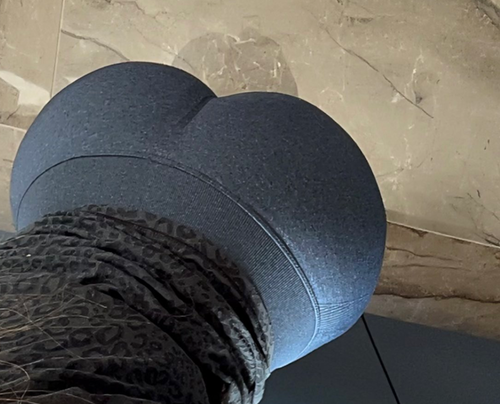
The deeper story mainstream coverage often glosses over is how repeated quality control failures directly correlate with value destruction. Multiple reports in early 2026 detailed customer complaints about see-through "Get Low" and "Heart Scatter" leggings, forcing Lululemon to pull products from its North American site. CBS News and MarketWatch documented these issues, with analysts noting a perceived "junkification" of products that once commanded premium prices through technical fabric innovation. These problems eerily echo the company's 2013 sheer pants scandal but occur under a professionalized board seemingly disconnected from Wilson's founding emphasis on quality and community.
Wilson's filings, covered by The Wall Street Journal, highlighted a 65.9% shareholder value decline—erasing roughly $17 billion—and criticized the board for neglecting core consumers, merchandising, and product development. While analysts remain neutral, the market has rendered its verdict: shares are down nearly 77% from 2024 peaks near $500. This pattern exposes what few dare connect—founder-led companies frequently suffer when boards prioritize scalable corporate metrics over the obsessive product standards and cultural DNA that create lasting consumer loyalty. Wilson's return to influence suggests that in premium consumer brands, governance structures resistant to founder input risk accelerating exactly the brand erosion and competitive vulnerability now forcing this awkward reconciliation. The settlement, while a tactical win for Wilson, underscores a larger truth: market outcomes ultimately punish the dilution of founding principles.
Liminal: Founder-board conflicts at scale often signal a fatal shift from product obsession to corporate metrics, forcing premium brands like Lululemon to reinstate original vision or face permanent market share evaporation and value destruction.
Sources (4)
- [1]Lululemon settles proxy battle with founder Chip Wilson(https://www.cnbc.com/2026/05/27/lululemon-settles-proxy-battle-with-founder-chip-wilson.html)
- [2]Exclusive: Lululemon nears deal to settle proxy war with founder Chip Wilson(https://www.reuters.com/world/lululemon-nears-deal-settle-proxy-war-with-founder-chip-wilson-2026-05-26/)
- [3]Lululemon Urges Shareholders to Reject Chip Wilson’s Proxy Fight(https://www.wsj.com/business/retail/lululemon-urges-shareholders-to-reject-chip-wilsons-proxy-fight-ebe89ddd)
- [4]Is Lululemon coming apart at the seams? Here's why the athleisure giant is losing momentum(https://www.cbsnews.com/news/lululemon-leggings-see-through-athleisure-losing-momentum/)