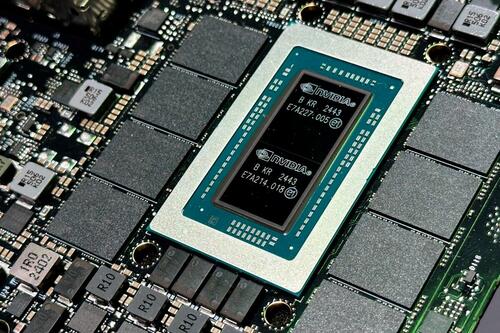
BIS Guidance Reinforces Licensing for China-Headquartered Entities in AI Chip Trade
BIS restates existing licensing rules for China-headquartered entities acquiring advanced AI chips, closing certain subsidiary loopholes while preserving operational continuity for owned equipment.
The May 31 BIS clarification extends November 2023 licensing requirements under the Export Administration Regulations to any China- or Macau-headquartered entity, irrespective of subsidiary location, thereby addressing enforcement gaps that emerged after the May 2025 non-enforcement decision on portions of the prior AI diffusion framework. Primary text from the Bureau of Industry and Security states that these controls remain in force for advanced computing items even when transactions occur outside China or Macau. From the U.S. national security perspective, the measure closes pathways previously available to overseas affiliates in jurisdictions such as Malaysia, consistent with the pattern of incremental tightening seen in successive EAR amendments since 2022. Industry statements from Nvidia indicate that existing license and vetting procedures already align with the restated obligations, while data-center operators retain rights to maintain owned equipment without mandatory removal. Chinese-headquartered firms and their global partners face continued compliance burdens, though the guidance explicitly permits ongoing use of previously acquired systems. A remaining enforcement question concerns due diligence obligations for semiconductor foundries such as TSMC when evaluating end-use by China-linked customers, an area not addressed in the May 31 notice. Related primary documents include the original November 2023 BIS rule and the December 2025 Commerce framework permitting limited H200 sales subject to a 25 percent fee and customer approval. These measures collectively illustrate sustained U.S. efforts to shape supply-chain access for advanced AI hardware without altering the statutory basis established in earlier executive actions.
BIS Analyst: The clarification narrows one enforcement channel but leaves foundry-level due diligence requirements unresolved, sustaining compliance uncertainty for global semiconductor supply chains.
Sources (3)
- [1]BIS Guidance on Licensing Requirements for Advanced Computing Items(https://www.bis.doc.gov/index.php/documents/about-bis/newsroom/press-releases/3402-bis-issues-guidance-on-licensing-requirements-for-advanced-computing-items)
- [2]Export Administration Regulations Amendment, November 2023(https://www.federalregister.gov/documents/2023/11/17/2023-25121/implementation-of-additional-export-controls)
- [3]Commerce Framework for Select AI Chip Exports, December 2025(https://www.commerce.gov/news/press-releases/2025/12/commerce-issues-framework-limited-ai-chip-sales)