Europe's 2026 Unrest: Economic Grievances Fuel Riots, Raising Questions of Parallels in America
Synthesizing 2026 European protests: documented economic-driven unrest with far-left elements, partial immigration links per some officials; US parallels in fiscal/social strains but distinct context. Sources confirm events but nuance Hanson's immigrant-centric framing.
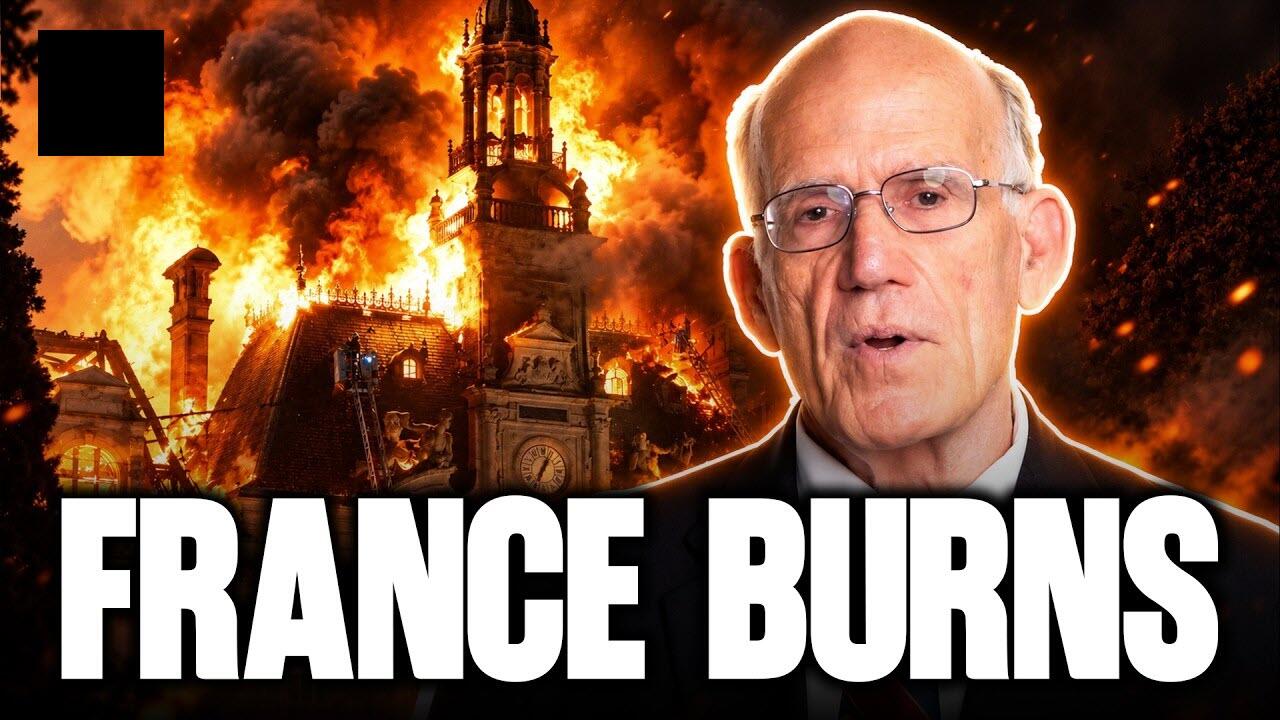
Recent protests across France, Italy, Belgium, and Albania have escalated into violence, with the burning of Limoges' historic 19th-century town hall symbolizing the unrest. Credible reporting from BBC, Reuters, and Le Monde confirms that on October 17, 2026, masked protesters—linked by authorities to far-left and ultra-left networks—set the building ablaze during demonstrations against rising fuel prices, cost of living, and deteriorating public services like schools. Over 550,000 participated nationwide in France, with hundreds arrested and police injured; similar clashes occurred in Milan (looting and fires), Brussels, and other cities. While Victor Davis Hanson, in a Daily Signal transcript, attributes the violence primarily to unassimilated immigrants and socialist influences eroding Western culture, official accounts emphasize economic pressures and radical agitators rather than immigration as the core driver. Italian PM Giorgia Meloni noted some foreign-origin involvement in Milan riots, but French investigations highlight domestic far-left militants on security watchlists. This wave echoes broader European tensions: stagnant wages amid inflation, strained welfare systems, and youth disillusionment. In America, parallels emerge in economic discontent—rising costs, public service strains, and debates over immigration policy—though without equivalent widespread riots. US national debt discussions and cultural integration challenges mirror Europe's, as noted in Hanson's related commentary, but mainstream analysis stresses policy responses like border controls and assimilation programs as key differentiators. The events underscore how economic stressors can amplify social fractures, whether in Europe or potential US flashpoints.
Analyst: Persistent cost-of-living pressures combined with integration challenges could heighten US social volatility in coming years, though stronger assimilation norms and economic mobility may mitigate risks seen in Europe.
Sources (6)
- [1]Suspect arrested after Limoges town hall set alight during disorder - BBC News(https://www.bbc.co.uk/news/articles/cw5yn5e8mezvo)
- [2]In France's Limoges, the fire-ravaged town hall rekindles memories of Notre Dame - Reuters(https://www.reuters.com/world/frances-limoges-fire-ravaged-town-hall-rekindles-memories-notre-dame-2026-10-18/)
- [3]France arrests suspect and calls in anti-terror police over Limoges town hall fire - The Local(https://www.thelocal.fr/20261020/france-arrests-man-and-calls-in-anti-terror-police-over-town-hall-fire)
- [4]Could France’s Crisis Happen in America? - The Epoch Times(https://www.theepochtimes.com/opinion/could-frances-crisis-happen-in-america-6106599)
- [5]Italy and France deploy military to contain weekend migrant riots - Fox News(https://www.foxnews.com/politics/italy-unleashes-military-response-violent-riots-france-faces-reckoning)
- [6]Cost of living protests hit Belgium, Italy, Portugal and France - Al Jazeera(https://www.aljazeera.com/news/2026/10/17/cost-of-living-protests-hit-belgium-italy-portugal-and-france)