Pilot Leverage and Calculated Openings: Iran's Hybrid Strategy Exposes Cracks in US Air Dominance and Diplomatic Posturing
Iran's search for a downed U.S. pilot collides with conditional peace overtures via Pakistan, exposing overstated American air superiority, layered Iranian air defenses, and a strategic double bind for Washington that risks economic shock via Hormuz and broader regional war.
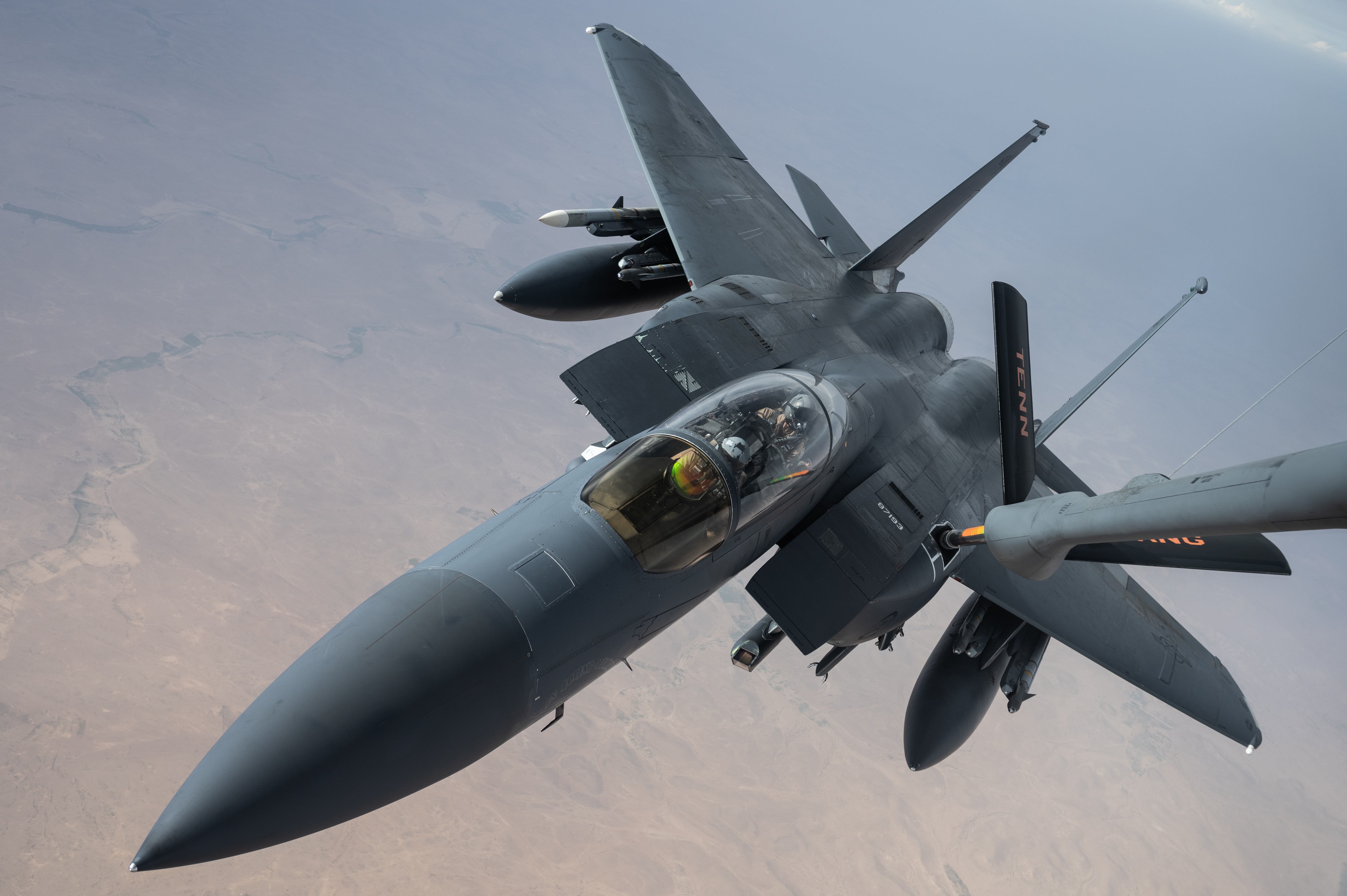
The Defense News dispatch from April 4, 2026, captures the tactical drama of Iranian forces combing southwestern terrain for a missing U.S. pilot after downing an F-15E Strike Eagle and damaging an A-10 Warthog, yet it stops short of connecting these incidents to deeper patterns of Iranian asymmetric resilience and the structural trap now facing the second Trump administration. What the original coverage largely missed is the deliberate ambiguity Iran is cultivating: a highly publicized 'hunt' that simultaneously rallies domestic support, prepares potential hostage diplomacy, and buys time while new indigenous air-defense systems are battle-tested in real time.
This is not the first time Iran has turned a downed American airframe into strategic capital. The 2011 capture of the RQ-170 Sentinel drone and the 2019 shoot-down of a Global Hawk demonstrated Tehran's ability to parlay technical feats into political leverage. The current episode, occurring in the sixth week of a conflict that began with Israeli strikes on February 28, follows a familiar template but at higher stakes. Two Black Hawk helicopters taking Iranian fire while attempting recovery operations reveals that U.S. forces are operating well inside the envelope of Iranian ground-based air defense, directly contradicting repeated assertions by President Trump and Secretary Hegseth of 'total control of the skies.'
Synthesizing reporting from the primary Defense News account with a contemporaneous Reuters dispatch on IRGC naval operations in the Strait of Hormuz and a CSIS brief on Iranian air-defense modernization (updated March 2026), a clearer picture emerges. The 'new' system unveiled by Khatam al-Anbiya is almost certainly an evolved variant of the Bavar-373 merged with Russian-supplied signal-processing upgrades acquired through back channels despite sanctions. Iranian state media's claim of downing a fighter, three drones, and two cruise missiles in one engagement suggests improved sensor fusion and mobility that previous static SAM systems lacked. Original coverage failed to note that these systems are being deployed in a layered defense alongside legacy SA-20 batteries, creating mobile kill zones that are difficult for SEAD missions to fully suppress.
The diplomatic thread is equally layered. Foreign Minister Abbas Araqchi's statement thanking Pakistan for mediation while insisting on 'conclusive and lasting' terms is classic Iranian negotiating theater. It mirrors the 2015 JCPOA prelude and the 2022 indirect Vienna talks: appearing reasonable to third parties while setting maximalist conditions that Washington cannot accept without appearing to reward aggression. Pakistan's role is not neutral; Islamabad balances deep economic ties to Beijing (Iran's de-facto patron) with its longstanding U.S. security relationship. This channel allows both sides to explore de-escalation without direct contact that would legitimize the other.
What remains dangerously underexamined is the double bind identified by Gareth Stansfield. Withdrawal after six weeks of high-intensity strikes would signal strategic impotence to Gulf partners, embolden Hezbollah and the Houthis, and give China a propaganda victory regarding U.S. reliability. Yet pursuing 'comprehensive defeat' of Iran would require sustained air and likely special operations presence in a country four times the size of Iraq, with mountainous terrain ideal for guerrilla resistance. The IRGC's missile and drone barrages against U.S. HIMARS positions in Kuwait and Patriot batteries in Bahrain already risk widening the conflict horizontally.
Closure of the Strait of Hormuz, now virtually achieved according to Iranian statements, is not mere rhetoric. Previous wargames by the Pentagon and RAND have consistently shown that even a 30-day disruption would send oil prices above $200 per barrel, trigger cascading failures in global supply chains, and deliver a body blow to European economies still recovering from the Ukraine energy shock. Trump's 48-hour ultimatum blends characteristic bombast with genuine strategic panic as midterm elections loom and gas prices spike.
The missing pilot is the human element that could collapse this fragile equilibrium. Should he be captured alive, Iran gains a high-value asset for prisoner swaps or propaganda spectacles reminiscent of the 1979-81 hostage crisis. A botched U.S. recovery operation risks additional casualties and photographs of American wreckage on Iranian soil, further eroding domestic support for the campaign. The celebratory reaction among Iranian civilians, exhausted by weeks of airstrikes, demonstrates that kinetic pressure has so far reinforced rather than fractured regime cohesion.
Ultimately, the convergence of an active combat search-and-rescue mission, a partially closed chokepoint for 20% of global LNG and oil, and a face-saving diplomatic track through Islamabad reveals an adversary that has internalized lessons from both the 'maximum pressure' campaign of Trump's first term and the proxy wars of the past decade. The administration's contemplated cabinet reshuffle is not mere politics; it signals recognition that the current trajectory is politically unsustainable. Without a genuine off-ramp that addresses Iran's core security concerns while preserving U.S. credibility, the hunt for one pilot could become the spark that turns a limited air campaign into a regional conflagration with global economic consequences.
SENTINEL: The missing pilot represents immediate tactical leverage that Tehran will exploit to offset military setbacks; any failed U.S. recovery mission or prolonged captivity will likely collapse the Pakistan-mediated track and trigger direct strikes on Iranian leadership targets, pulling Gulf states into open alignment against Tehran.
Sources (3)
- [1]Iran leaves door open for peace talks as hunt for missing US pilot continues(https://www.defensenews.com/news/pentagon-congress/2026/04/04/iran-leaves-door-open-for-peace-talks-as-hunt-for-missing-us-pilot-continues/)
- [2]IRGC Claims Strikes on U.S. Assets, Vessel Attack in Hormuz(https://www.reuters.com/world/middle-east/iranian-forces-target-us-bases-israel-vessel-hormuz-2026-04-04/)
- [3]Iranian Air Defense Evolution: Lessons from Six Weeks of Conflict(https://www.csis.org/analysis/iranian-air-defense-evolution-2026)