Samsung Union Strike Threat Over AI Profits Exposes Fragile Semiconductor Supply Chains
Samsung's labor union strike threat, rooted in disputes over AI profit-sharing, risks disrupting memory chip supply chains critical for global AI infrastructure. Despite automation mitigating some fab impacts, rising memory prices, stock volatility, and government intervention reveal broader vulnerabilities in semiconductor production that could have sustained economic and tech repercussions.
Samsung Electronics' ongoing labor dispute with its union has escalated into a significant risk for global memory chip production, just as demand for high-bandwidth memory (HBM) and DRAM surges due to massive AI data center buildouts. With talks collapsing last week before resuming on Monday under government mediation, the union maintains its plan for an 18-day strike beginning May 21, 2026. Over 45,000 workers, many in the semiconductor division, are demanding a greater share of record profits from the AI boom and a narrowing of the bonus gap with rival SK Hynix, which has poached talent amid perceived inequities.
Chairman Jay Y. Lee publicly apologized to customers and the public, while South Korean officials including the prime minister, labor minister, and finance minister have urged both sides to reach an agreement to avert disruptions. Although semiconductor fabs are highly automated—limiting direct production impacts to an estimated 3-4% of global DRAM and 2-3% of NAND according to analysts—disruptions to packaging, logistics, R&D, design, and customer relations remain likely. Samsung has already begun winding down certain chip production activities in 'emergency management mode,' with daily losses potentially reaching $2 billion.
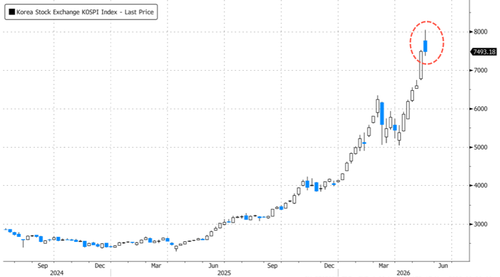
This episode highlights deeper structural vulnerabilities in semiconductor supply chains that extend far beyond one company's labor negotiations. Memory chips are foundational to AI infrastructure, smartphones, and computing, yet the market remains concentrated among a few players in South Korea and Taiwan. The threat has already driven spot market prices for DDR4 memory up as much as 20% in China as buyers stockpile amid fears of shortages. The KOSPI index plunged as much as 6-9% on strike news, with Samsung shares hit particularly hard, reflecting immediate investor concern over supply reliability at a time of tightening memory availability.
Mainstream coverage has detailed the bonus dispute and short-term market reactions, but the event underscores longer-term risks: over-reliance on automated but still human-dependent Asian manufacturing hubs makes global tech susceptible to localized shocks. With AI-driven demand showing no signs of abating, such labor flashpoints could recur, pressuring companies to accelerate supply chain diversification, including onshoring efforts in the US and Europe. Government intervention in Seoul signals recognition of the national and international economic stakes involved.
While a resolution remains possible before May 21, the episode serves as a reminder of how quickly concentrated dependencies in critical technologies can amplify into worldwide ripple effects on pricing, availability, and innovation timelines.
Liminal Analyst: Even a partially mitigated strike will likely drive sustained memory price increases and expose over-reliance on South Korean production, accelerating global efforts to diversify semiconductor manufacturing away from concentrated regional risks.
Sources (5)
- [1]Exclusive: At Samsung, the global AI boom spurred a looming strike and deep divisions(https://www.reuters.com/business/world-at-work/samsung-global-ai-boom-spurred-looming-strike-deep-divisions-2026-05-15/)
- [2]Samsung Elec, South Korea union to resume pay talks on Monday, union says(https://www.reuters.com/world/asia-pacific/samsung-elec-chairman-apologises-customers-public-amid-labour-tensions-2026-05-16/)
- [3]Samsung starts winding down chip production six days before planned 18-day strike(https://www.tomshardware.com/tech-industry/samsung-starts-winding-down-chip-producton-six-days-before-planned-18-day-strike)
- [4]Threat of Samsung Strike Pushes Up Memory Prices (Again)(https://www.pcmag.com/news/threat-of-samsung-strike-pushes-up-memory-prices-again)
- [5]Possible Samsung strike puts even more pressure on memory pricing(https://www.theregister.com/systems/2026/05/15/possible-samsung-strike-puts-even-more-pressure-on-memory-pricing/5240874)