IRGC Strike on Oracle Dubai Facility: Retaliation or Hybrid Warfare Escalation in US-Iran Tensions
Reported IRGC strike on Oracle's Dubai data center expands campaign against U.S. tech firms, framed by Iran as retaliation while raising concerns over AI infrastructure vulnerability and civilian target norms in hybrid warfare.
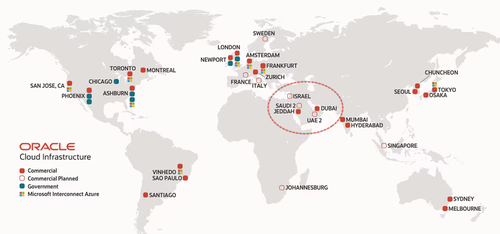
Iranian state media reported that the Islamic Revolutionary Guard Corps targeted Oracle's Oracle Cloud UAE East (me-dubai-1) data center in Dubai on April 2, 2026. This follows a similar strike on Amazon Web Services operations in Bahrain days earlier and aligns with Sepah News naming 18 U.S. and allied companies, including Oracle, Cisco, Palantir, and UAE-based AI firm G42, as 'legitimate targets' with the statement 'for every assassination, an American company will be destroyed.'
Primary documents from IRGC-affiliated outlets frame these actions as direct retaliation within a cycle of targeted killings attributed to the U.S. and Israel. Iranian perspectives emphasize symmetry in hybrid conflict, arguing that commercial infrastructure supporting adversary economies is a legitimate domain of response, consistent with prior patterns seen in the 2019-2020 tanker and oil facility incidents.
U.S. and Western viewpoints, as reflected in national security reporting, characterize the strikes as dangerous expansions of hybrid warfare that deliberately blur civilian-military distinctions, exposing critical global infrastructure to low-cost drone attacks. The original ZeroHedge coverage accurately notes the absence of confirmed damage and Oracle's status page showing no outages, but misses the deeper linkage to artificial intelligence infrastructure. Oracle Cloud regions support high-performance computing essential for AI model training, while G42's inclusion highlights Tehran's concerns over UAE-U.S. technology partnerships that could enhance intelligence or autonomous systems capabilities.
What original reporting underemphasized is the pattern of increasing physical kinetic operations against dispersed cloud assets, building on earlier cyber campaigns such as those documented in Microsoft and FireEye reports on Iranian state actors. A related primary-adjacent analysis from the U.S. Department of Defense's unclassified hybrid warfare assessments (2023-2025) notes growing vulnerabilities in Middle East data centers due to reliance on commercial providers without equivalent diplomatic protections.
Multiple perspectives exist: Iranian sources view this as defensive necessity given conventional military asymmetries; Gulf states and tech firms express alarm over sovereignty and economic disruption; independent analysts cite risks of miscalculation that could draw private sector entities deeper into geopolitical conflicts. These events underscore gaps in international norms governing attacks on dual-use digital infrastructure.
MERIDIAN: Iran's physical targeting of commercial cloud facilities may prompt tech companies to diversify infrastructure away from the Gulf while testing international thresholds for what constitutes protected civilian infrastructure in hybrid conflicts.
Sources (3)
- [1]Sepah News IRGC Statement(https://www.sepahnews.com/)
- [2]ZeroHedge Reporting on Oracle Strike(https://www.zerohedge.com/technology/oracles-dubai-data-center-reportedly-hit-iran-expands-attack-ai-infrastructure)
- [3]Reuters National Security Desk via Phil Stewart(https://twitter.com/phildstewart)