Debris from Iranian Fateh-110 Strike Reveals Gulf Air Defense Limits as US Reaper Drones Destroyed at Kuwait Base
An Iranian ballistic missile intercepted over Kuwait's Ali Al Salem Air Base caused debris damage destroying one US MQ-9 Reaper and injuring five, exposing Gulf defense vulnerabilities amid fragile 2026 ceasefire and nuclear talks. Deeper connections link this to Hormuz disruptions, Hegseth's combat rhetoric at Shangri-La, and patterns of base probing that challenge abstracted policy narratives on escalation control.
While mainstream coverage frames the latest Iran-US tensions around nuclear talks and a potential 60-day ceasefire extension, a direct kinetic incident at Kuwait's Ali Al Salem Air Base exposes the raw vulnerabilities in Gulf security architecture that policy abstractions often obscure. According to multiple reports, an Iranian Fateh-110 short-range ballistic missile was intercepted by Kuwaiti defenses in the past 24 hours, but the resulting debris impacted the base—home to the US 386th Air Expeditionary Wing and a critical logistics hub for CENTCOM operations—destroying one MQ-9 Reaper drone, severely damaging another, and causing minor injuries to five Americans, including contractors and active-duty personnel.[1][2]
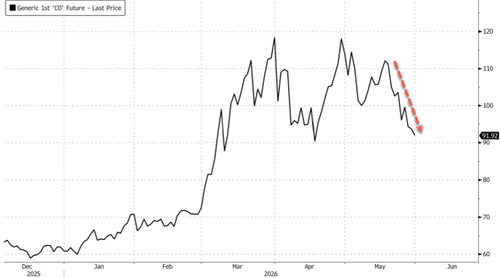
Each Reaper, valued at approximately $30 million, represents more than hardware loss; these assets provide persistent ISR capabilities essential for monitoring the Strait of Hormuz and broader theater operations amid the 2026 Iran conflict. Their damage, confirmed across Bloomberg-sourced reporting and local Kuwaiti coverage, occurs against a backdrop of closed Hormuz shipping lanes, with energy analysts warning of an impending 'energy cliff' that could aggressively reprice crude beyond the current $91 per barrel Brent benchmark if the chokepoint is not reopened soon.[3]
This event connects to deeper friction points others have missed: Kuwait, long a quiet US partner hosting forward logistics, now finds itself physically in the crossfire of Iran-US escalation, straining GCC unity and exposing that even successful intercepts produce hazardous debris radii capable of mission-killing high-value assets on the ground. Wikipedia's emerging timeline of the 2026 Iran war notes prior strikes on the same base dating back to February, including damage to Italian MQ-9s and Typhoons, suggesting a pattern of probing Gulf defenses rather than isolated incidents.[4]
The timing is telling. The strike coincides with a tentative memorandum of understanding for ceasefire extension and nuclear negotiations requiring final approval from President Trump, alongside Treasury Secretary Scott Bessent's insistence on maximum leverage—no sanctions relief without Hormuz reopening, HEU transfers, and verifiable limits on Iran's nuclear program. Hours later, Secretary of Defense Pete Hegseth, speaking at the Shangri-La Dialogue in Singapore, reiterated US readiness to resume strikes, relaying Trump's message that failure to secure a 'great deal' means dealing with 'the guy on my left'—a clear reference to military options with sufficient global stockpiles.[5][6]
Heterodox analysis reveals this as potential Iranian signaling: demonstrating reach and the costs of continued pressure even during 'talks,' possibly from IRGC hardliners aiming to strengthen negotiating posture or test US red lines. It also highlights doctrinal gaps in integrated air and missile defense for forward bases—Patriot and Kuwaiti systems stopped the warhead but could not prevent operational impact from kinetic debris. As CENTCOM maintains radio silence on the incident, the event risks derailing fragile diplomacy while underscoring that Gulf security is not abstract policy but a brittle lattice of bases, drones, and chokepoints where one falling fragment can shift escalation dynamics. Further US strikes or Iranian retaliation could rapidly move beyond proxies into sustained direct exchanges, with oil markets and regional alliances bearing the immediate brunt.
Geopolitical Analyst: This debris strike on a key CENTCOM hub signals Iran's willingness to impose real costs even during negotiations, likely hardening US leverage demands and accelerating oil price volatility if Hormuz stays contested beyond the next 30 days.
Sources (6)
- [1]Iranian Missile Strike on US Base in Kuwait Wounds 5 and Damages Reapers(https://www.kyivpost.com/post/77187)
- [2]Iran missile strike at Kuwait base damages US drones, injures Americans: Report(https://timesofindia.indiatimes.com/world/middle-east/iran-missile-strike-at-kuwait-base-damages-us-drones-injures-americans-report/articleshow/131407551.cms)
- [3]What Hegseth's comments at Shangri-La Dialogue say about US foreign policy(https://www.aljazeera.com/news/2026/5/30/what-hegseths-comments-at-shangri-la-dialogue-say-about-us-foreign-policy)
- [4]US not 'turning back' on Asia allies, but expects them to spend more - BBC(https://www.bbc.com/news/articles/c5ye34k7yejo)
- [5]Iranian Missile Strike Damages MQ-9 Reapers, Injures Americans at Kuwait's Ali Al Salem Base(https://www.arabtimesonline.com/news/iranian-missile-strike-damages-mq-9-reapers-injures-americans-at-kuwaits-ali-al-salem-base/)
- [6]Kuwait in the 2026 Iran war(https://en.wikipedia.org/wiki/Kuwait_in_the_2026_Iran_war)