US-Iran Talks in Doha Signal Consensus on Hormuz, Nuclear Issues, Pointing to Major De-escalation with Underreported Global Ripples
Iranian delegation in Doha reaches consensus with US on key issues like Strait of Hormuz reopening, nuclear limits, and frozen assets, though no deal is yet imminent. This points to significant de-escalation with major underplayed effects on energy markets, sanctions relief, and regional alliances.
High-level Iranian officials including Foreign Minister Abbas Araghchi, Parliament Speaker Mohammad Bagher Ghalibaf, and the central bank governor have converged in Doha for intensive negotiations aimed at ending months of conflict with the United States. According to multiple reports, the sides have reached consensus on a significant portion of discussed topics, including the reopening of the Strait of Hormuz, limits on Iran's nuclear program and highly enriched uranium stockpiles, and the potential release of frozen Iranian assets. However, Iranian officials have stressed that while understandings have been achieved, a final agreement is not imminent and both sides are proceeding cautiously to 'get it right.'[1][2]
This development comes amid a broader 2025-2026 negotiation framework that emerged following Israeli strikes on Iran, Iranian retaliation against US bases, and the subsequent US naval blockade of Iranian ports and the Hormuz chokepoint. President Trump has publicly stated that a deal has been 'largely negotiated,' including provisions for a 60-day ceasefire extension, reopening the Strait to pre-war shipping levels, Iranian assurances against nuclear weapons development, and phased sanctions relief. US Secretary of State Marco Rubio indicated further updates could come soon, while emphasizing the need for careful implementation.[1][3]
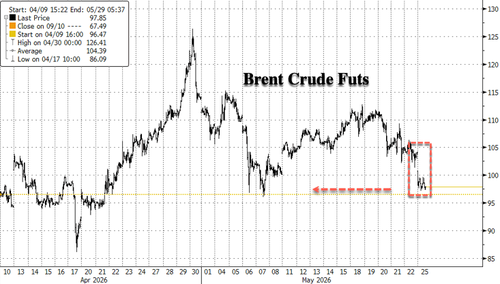
The potential agreement carries deeper implications often downplayed in mainstream coverage. Reopening Hormuz could swiftly ease global energy pressures that have driven Brent crude volatility and contributed to inflationary spikes; early market reactions already showed declining oil futures and rising equities on de-escalation hopes. Release of frozen funds via central bank channels would provide Iran with immediate economic breathing room, potentially stabilizing its currency and reducing incentives for proxy conflicts. On the nuclear front, discussions appear focused on verifiable limits to enrichment rather than full dismantlement, which could reshape the JCPOA-era debates and influence Iran's relationships with Russia and China.
Regionally, success could trigger realignments: reduced Iranian support for non-state actors might ease tensions with Gulf states and Israel, while altering the axis of resistance dynamics in ways that extend beyond bilateral US-Iran ties. UK parliamentary analysis highlights how these talks intertwine the nuclear file, ballistic missiles, sanctions, and Hormuz security into a single comprehensive package with spillover effects across Middle East alliances. Wikipedia's timeline of the 2025-2026 negotiations contextualizes this as a potential pivot following direct military confrontations earlier in the year. While gaps remain—particularly on timing and verification—progress at this level, involving Iran's top diplomatic, legislative, and financial figures, suggests momentum toward a framework that could de-escalate one of the most volatile geopolitical flashpoints of the decade. Markets and policymakers should prepare for cascading effects on energy security, sanctions architecture, and proxy networks that extend well beyond the headlines.
Liminal Analyst: Successful framework could stabilize energy prices, unlock Iranian assets, reduce proxy conflicts, and force Middle East realignments by Q3 2026, with broader economic and alliance shifts mainstream analysis continues to undervalue.
Sources (5)
- [1]Trump says agreement with Iran has 'been largely negotiated'(https://www.cnn.com/2026/05/23/middleeast/iran-us-progress-framework-diplomacy-intl)
- [2]Trump says Iran deal 'largely negotiated' including reopening Strait of Hormuz(https://www.bbc.com/news/articles/crmp121z3z8o)
- [3]Trump: Iran deal to reopen Strait of Hormuz 'largely negotiated'(https://www.cnbc.com/2026/05/23/us-iran-war-talks.html)
- [4]2025–2026 Iran–United States negotiations(https://en.wikipedia.org/wiki/2025%E2%80%932026_Iran%E2%80%93United_States_negotiations)
- [5]US-Iran ceasefire and nuclear talks in 2026(https://commonslibrary.parliament.uk/research-briefings/cbp-10637/)