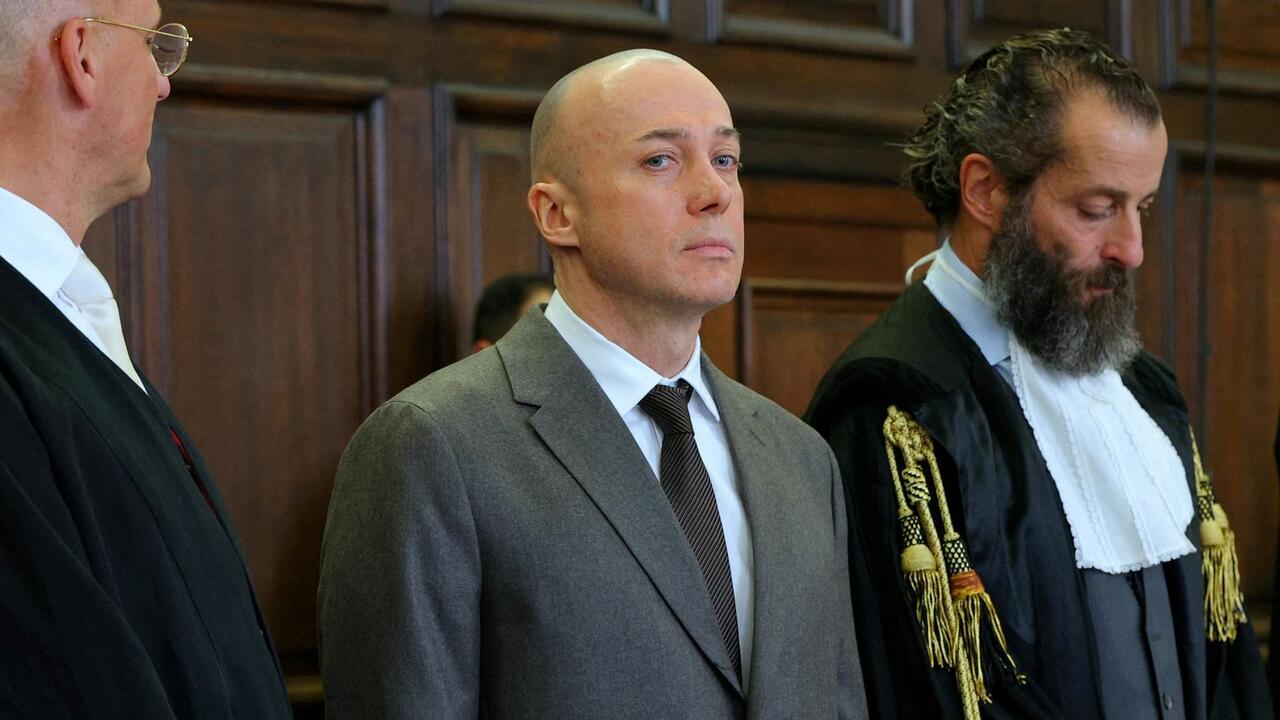
Germany's Nord Stream Trial Exposes Fractures in EU-Ukraine Alliance and International Law on Wartime Infrastructure
The Hamburg trial of Ukrainian ex-officer Serhii Kuznietsov for alleged Nord Stream sabotage highlights geopolitical rifts, legal ambiguities on targeting pipelines in wartime, and risks to frozen assets, corroborated by major outlets.
Four years after the September 26, 2022, explosions that crippled the Nord Stream 1 and 2 pipelines, Germany opened the first trial of an alleged perpetrator on October 14, 2026, at Hamburg's Hanseatic Higher Regional Court. Serhii Kuznietsov, a 50-year-old former Ukrainian special forces officer referred to as Serhii K. in court, faces charges including war crimes for attacking civilian infrastructure, causing explosions, and disrupting public utilities. Prosecutors allege he led a seven-person team—including divers and an explosives expert—aboard the yacht Andromeda, planting military-grade explosives (HMX/RDX) at depths around 80 meters near Bornholm, Denmark, on orders tied to Ukrainian state authorities aiming to sever Russia's war funding. Kuznietsov denies involvement; Kyiv maintains no state role. The defense moved to dismiss charges, arguing insufficient evidence, lack of fingerprints or witnesses placing him on the yacht, and that the pipelines constituted a legitimate military target in a defensive war—echoing Poland's earlier stance. The court rejected combatant immunity for covert ops. A second suspect, diver Volodymyr Zhuravliov, saw extradition blocked by Poland in 2025 on grounds of functional immunity in a 'just war,' with PM Tusk stating those who built Nord Stream 2 'should be ashamed.' Croatia later approved extradition. Gazprom-linked Nord Stream 2 AG seeks co-plaintiff status, raising risks of compensation claims against frozen Russian assets earmarked for Ukraine. This case underscores tensions: Germany's prosecution of an ally's operative while supporting Ukraine militarily, debates over whether energy infrastructure qualifies as protected civilian objects under international humanitarian law, and potential precedent for hybrid warfare accountability. Sources confirm the trial's sensitivity amid ongoing EU energy security shifts post-sabotage.
[Geopolitical Analyst]: The trial may strain EU unity on Ukraine aid by forcing acknowledgment of potential state-linked sabotage, while establishing precedents that complicate future claims on Russian assets and hybrid conflict accountability.
Sources (5)
- [1]Germany puts Ukrainian on trial accused of blowing up Nord Stream pipelines(https://www.bbc.co.uk/news/articles/cw99zpmnxzmjo)
- [2]Ukrainian soldier to go on trial over sabotage of Nord Stream gas pipelines(https://www.theguardian.com/business/2026/oct/14/ukrainian-soldier-to-go-on-trial-over-sabotage-of-nord-stream-gas-pipelines)
- [3]Germany puts Ukrainian ex-officer in the dock over Nord Stream sabotage(https://archive.is/2026.10.14-125813/https://www.ft.com/content/8c3c631c-e37f-4209-aefd-112c4c58020c)
- [4]Polish court rules against sending Ukrainian Nord Stream suspect to Germany(https://www.reuters.com/business/energy/polish-court-considers-sending-suspect-germany-disputed-nord-stream-case-2025-10-17/)
- [5]Nord Stream Sabotage Trial Begins With Explosive Allegations Against Ukraine(https://oilprice.com/Geopolitics/Europe/Nord-Stream-Sabotage-Trial-Begins-With-Explosive-Allegations-Against-Ukraine.html)