No Kings, No Spectacle: Decoding the Anti-Authoritarian Pulse in America's Third Nationwide Protests
Beyond photo documentation of the third 'No Kings' protests, this analysis connects the events to America's anti-authoritarian traditions, critiques spectacle-focused media coverage, and identifies missed historical and structural contexts driving sustained mobilization.
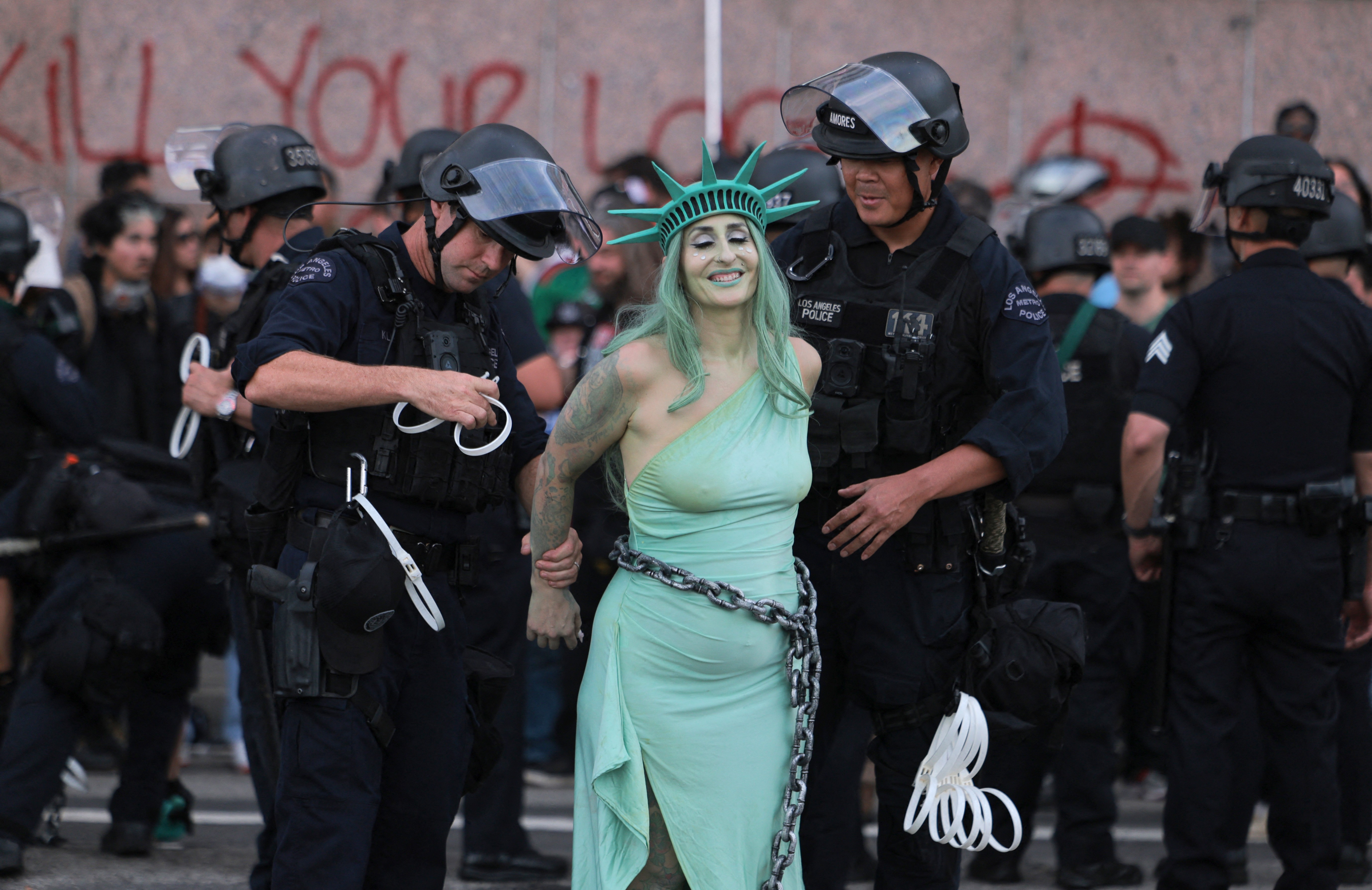
The Atlantic's photo essay captures striking images from yesterday's third 'No Kings' event, documenting marches and rallies in more than 3,000 locations with millions participating. Yet this coverage, focused on visual drama, reduces a significant cultural and political inflection point to spectacle, missing the deeper historical and structural threads that connect these protests to America's recurring rejection of concentrated power.
Observation: Event scale has increased with each wave, drawing diverse participants across cities and small towns in opposition to specific Trump administration policies on executive authority, institutional norms, and cultural issues. This follows similar patterns seen in the 2017 Women's Marches and 2020 racial justice protests.
In analysis, these demonstrations represent more than partisan reaction. They tap into foundational American anti-monarchical sentiment, echoing revolutionary-era rhetoric of 'no kings' against perceived authoritarian drift in the executive branch. Mainstream photography often misses how digital organizing tools have enabled this decentralized, sustained resistance, a pattern also evident in the Occupy and climate movements.
The original source overlooks key context: economic anxiety intersecting with democratic erosion concerns, and the way media framing as 'spectacle' dilutes substantive critique of initiatives like expanded presidential powers. Synthesizing this with reporting from The New York Times on protest evolution and Brookings Institution data on rising polarization since 2016 reveals a consistent trend where visual coverage dominates but rarely explores long-term cultural implications.
This moment signals deepening tensions where anti-authoritarian sentiment is becoming embedded in popular culture, distinguishing it from episodic outrage. While not predicting specific policy outcomes, the pattern suggests these protests are normalizing public challenge to executive overreach in ways that could influence future civic norms.
PRAXIS: These recurring No Kings protests show anti-authoritarian sentiment evolving from episodic reaction into a durable cultural force, one that photo essays document but rarely explain as part of America's long struggle with power concentration.
Sources (3)
- [1]Photos From the Third Nationwide ‘No Kings’ Protest(https://www.theatlantic.com/photography/2026/03/photos-from-the-third-nationwide-no-kings-protest/686609/)
- [2]How Protests Are Changing in the Second Trump Era(https://www.nytimes.com/2026/03/16/us/politics/trump-protests-analysis.html)
- [3]Political Polarization in the United States(https://www.brookings.edu/articles/political-polarization-in-the-united-states/)