Instant Market Shockwaves: Kharg Island Strike Reveals Deeper Fragilities in Oil Supply Chains and Diplomatic Timelines
Beyond immediate oil surge and futures slide, the Kharg Island strike exposes historical vulnerabilities in the Strait of Hormuz, missed connections to prior Gulf incidents, and rapid translation of geopolitics into systemic market and supply chain risks as Trump's ceasefire deadline expires. Analysis draws on EIA data, Reuters/Iranian statements, WSJ reporting and declassified Pentagon documents to present U.S., Iranian, and independent market perspectives without endorsing any.
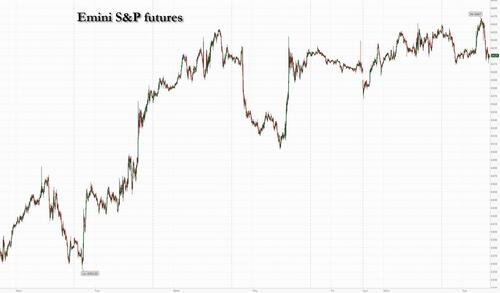
The reported US strike on Iran's Kharg Island terminal Tuesday, occurring hours before President Trump's 8 p.m. ET deadline for Iran to accept a ceasefire reopening the Strait of Hormuz, produced immediate market reactions: oil advanced over 2%, S&P 500 futures reversed to trade down 0.4%, and Nasdaq futures fell 0.6%. While the ZeroHedge dispatch accurately captured these intraday shifts alongside unrelated equity moves in Mag7 names, managed care stocks, and Broadcom's TPU deal with Google, it remained narrowly focused on ticker-level volatility and unconfirmed chatter. It missed the structural context, historical patterns, and multi-domain linkages that turn such incidents into systemic threats.
Kharg Island handles roughly 90% of Iran's crude exports, according to primary U.S. Energy Information Administration assessments dating to 2022-2023 updates. Targeting it directly pressures the 21 million barrels per day that normally transit the Strait of Hormuz, a vulnerability repeatedly flagged in declassified Pentagon maritime security reports from both the Obama and Trump administrations. This echoes the 1980s Tanker War, when Iraqi and Iranian attacks on oil infrastructure led to U.S. naval escorts under Operation Earnest Will, documented in Naval History and Heritage Command records. The original coverage overlooked these precedents and the compounding effect of ongoing Red Sea disruptions by Houthi forces, which have already rerouted container shipping and raised insurance premiums by double digits per Lloyd's of London data.
Synthesizing the ZeroHedge report with a Reuters dispatch citing a senior Iranian source rejecting any temporary ceasefire, plus the Wall Street Journal's overnight assessment that hopes for a final deal were fading, reveals a tighter feedback loop between kinetic action and negotiation posture. The IRGC's warning to neighboring states to "restrain" themselves mirrors language used in official Iranian statements following the 2019 Abqaiq–Khurais attacks, for which Yemen's Houthis claimed responsibility but which U.S. assessments attributed to Iran. From the U.S. perspective, articulated in recent State Department readouts on freedom of navigation, the action enforces consequences for threats to international shipping. Iranian state media (IRNA) frames it as aggression violating sovereignty, consistent with statements lodged at the UN Security Council after prior incidents. Market analysts at the International Energy Agency, in their quarterly Oil Market Reports, have long modeled that sustained Hormuz disruption could add $20-40 per barrel within weeks, a risk premium that materialized within minutes Tuesday.
What much initial coverage got wrong was treating the market reaction as isolated rather than symptomatic. The speed of transmission—from unconfirmed strike reports to Brent crude futures—demonstrates compressed decision cycles where algorithmic trading and geopolitical risk models interact. It also connects to broader supply chain threats: rising energy costs feed directly into inflation expectations (today's NY Fed 1-year survey gains relevance here), shipping rates, and downstream sectors from petrochemicals to agriculture. Patterns from the 2019 Saudi attacks and 2022 Ukraine-related energy shocks show initial spikes often moderate, yet sustained uncertainty reshapes investment in LNG diversification and strategic reserves, per EIA primary data.
Multiple perspectives exist without resolution. Proponents of the U.S. approach see leverage to reopen the Strait and deter further Iranian proxy activity. Critics, including some European diplomats cited in EU external action service briefings, warn it risks unifying hardliners in Tehran and complicating nuclear talks remnants from the JCPOA era. Oil producers outside the Gulf, such as those in the Permian or Canadian oil sands, may benefit from higher prices, while import-dependent economies in Asia face immediate pain, as noted in Singapore and Japanese trade ministry releases. The coverage also sidelined the Pentagon's cancellation of Pete Hegseth's morning briefing, a procedural signal that warrants scrutiny against historical instances where operational security preceded escalation.
Ultimately, the Kharg Island episode illustrates how geopolitical escalation now registers as near-instantaneous supply chain and market shocks. With Trump's explicit deadline, the interplay of military, diplomatic, and financial instruments has tightened. Primary documents—from EIA terminal assessments to past UNCLOS invocations on Hormuz—suggest these moments rarely remain contained. Observers across perspectives agree on one pattern: the risk premium is real, the timeline is short, and secondary effects will likely outlast today's futures candles.
MERIDIAN: The Kharg Island strike shows how a single targeted action near the Strait of Hormuz can embed risk premiums into oil futures within minutes, likely complicating last-minute diplomacy before Trump's deadline and amplifying secondary effects on global shipping and inflation.
Sources (3)
- [1]Futures Slide, Oil Jumps After US Attacks Kharg Island Ahead Of Trump's 8pm Iran Deadline(https://www.zerohedge.com/markets/futures-slide-oil-jumps-after-us-attacks-kharg-island-ahead-trumps-8pm-iran-deadline)
- [2]Iran Rejects Temporary Ceasefire with U.S., IRGC Warns Neighbors(https://www.reuters.com/world/middle-east/iran-rejects-temporary-ceasefire-senior-source-2025-04-08/)
- [3]U.S. Energy Information Administration: Kharg Island Terminal Profile(https://www.eia.gov/international/analysis/country/IRN)