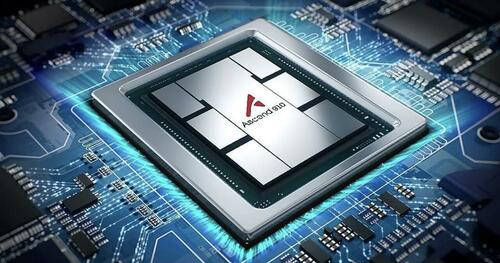
China's AI Push Hits CUDA Wall: Nvidia Ecosystem Lock-In Slows Domestic Chip Transition
Despite Beijing's push for semiconductor independence, Chinese AI firms face high costs and technical hurdles migrating from Nvidia's CUDA ecosystem to domestic chips like Huawei Ascend, though successes in inference and select training runs like Meituan's LongCat-2.0 demonstrate gradual progress.
China has invested heavily in building a self-sufficient semiconductor industry, yet its leading AI developers continue to rely on Nvidia hardware for training advanced models, according to reporting from the South China Morning Post. The core challenge extends beyond raw chip performance to the entrenched software ecosystem, particularly Nvidia's CUDA platform, which underpins models, tools, and workflows across Chinese AI labs. Switching to alternatives like Huawei's Ascend processors often requires extensive re-engineering, with industry estimates suggesting potential increases of 50% or more in time and costs for complex projects. Open-source models such as those from DeepSeek facilitate easier migration through code modifications, sometimes achievable with small teams over weeks, while closed systems demand months of work by larger groups. Inference workloads have proven more adaptable to domestic hardware than full-scale training. Notable progress includes Meituan's open-sourcing of its 1.6-trillion-parameter LongCat-2.0 model, trained entirely on a 50,000-chip domestic cluster, marking a milestone in large-scale training on local ASICs. Broader analyses, including from MERICS and ChinaTalk, highlight persistent gaps in alternatives like Huawei's CANN framework, including stability issues and lower maturity compared to CUDA, reinforcing that software inertia and developer familiarity remain significant barriers even as hardware capabilities advance.
[Geopolitics Analyst]: Persistent CUDA dependence will extend China's AI hardware transition timeline by 2-4 years, allowing Nvidia to retain influence via software even under export controls while accelerating domestic software stack investments.
Sources (4)
- [1]China’s top AI is still trained on Nvidia chips. What is delaying a switch to local tech?(https://www.scmp.com/tech/big-tech/article/3363491/chinas-top-ai-still-trained-nvidia-chips-what-delaying-switch-local-tech)
- [2]China's Meituan says new AI model trained on domestic chips(https://www.reuters.com/world/china/chinas-meituan-says-new-ai-model-trained-domestic-chips-2026-06-30/)
- [3]China's drive toward self-reliance in artificial intelligence(https://merics.org/en/report/chinas-drive-toward-self-reliance-artificial-intelligence-chips-large-language-models)
- [4]Can Huawei Take On Nvidia's CUDA?(https://www.chinatalk.media/p/can-huawei-compete-with-cuda)