Iran Oil Sanctions Reversal in US Nuclear Talks Signals Major Geopolitical Energy Shift
US agreement to suspend Iranian oil sanctions during nuclear negotiations, coupled with a potential long-term freeze, could boost global supply, depress oil prices, and stabilize the Strait of Hormuz, signaling a major realignment in energy geopolitics and Middle East security.
Recent reports from multiple outlets indicate that the United States has agreed to temporarily lift sanctions on Iranian oil exports during an interim negotiating period as part of broader nuclear discussions, potentially marking a significant departure in longstanding policy. According to Al Arabiya and diplomatic sources, Iran has submitted proposals—including a detailed 14-point response routed through Pakistani mediators—focusing on ending hostilities, lifting sanctions, releasing frozen assets, and establishing mechanisms for safe transit through the Strait of Hormuz. These talks build on earlier US signals, including President Trump's openness to a long-term (up to 20-year) nuclear freeze rather than full dismantlement, with Russia potentially playing a role in securing Iran's enriched uranium stockpile.
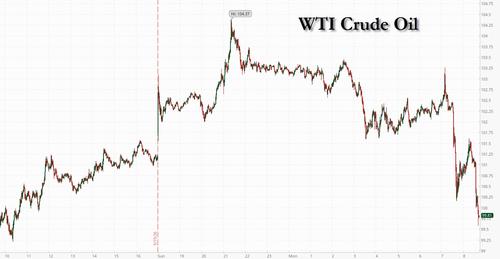
This development, corroborated by Anadolu Agency, Xinhua, and a Congressional Research Service overview of the 2025-2026 negotiations, carries undercovered implications for global energy markets. Easing sanctions could rapidly increase Iranian oil supply by hundreds of thousands of barrels per day, exerting downward pressure on global crude prices—as evidenced by immediate market reactions—and challenging OPEC+ dynamics involving Saudi Arabia and Russia. Beyond markets, the potential stabilization of the Strait of Hormuz, a chokepoint for roughly one-fifth of global oil trade, could enhance Middle East security but risks empowering Iranian proxies if enforcement proves weak.
Deeper analysis reveals connections often missed in mainstream coverage: Pakistan and Oman's mediation roles signal evolving Asian diplomatic influence, while any uranium transfer to Russia ties the deal into broader US-Russia-China geopolitical maneuvering. The Wikipedia summary of the negotiations framework highlights phased approaches linking sanctions relief to enrichment caps (potentially to 3.67%) and third-country oversight, yet Iranian insistence on full sanctions removal and compensation demands suggests fragile progress. If realized, this shift could reshape energy alliances, reduce incentives for military escalation, and alter investment flows into alternative energy sources amid perceived greater regional stability. However, historical precedents from the 2015 JCPOA era, as detailed in CFR backgrounders, show that verification and long-term compliance remain persistent challenges. Overall, these talks represent not just a nuclear bargain but a recalibration of power balances with ripple effects across commodities, shipping insurance, and alliance structures.
Energy Geopolitics Analyst: Temporary lifting of Iranian oil sanctions could add 500,000+ barrels daily to global markets within months, capping oil prices under $70/barrel short-term while reducing Hormuz shipping risks, but long-term nuclear freeze viability hinges on verification enforcement that could still destabilize if proxies exploit perceived US concessions.
Sources (5)
- [1]Iran demands 'guarantee' US will lift sanctions in nuclear talks(https://english.alarabiya.net/News/middle-east/2025/06/02/iran-demands-guarantee-us-will-lift-sanctions-in-nuclear-talks-)
- [2]2025–2026 Iran–United States negotiations(https://en.wikipedia.org/wiki/2025%E2%80%932026_Iran%E2%80%93United_States_negotiations)
- [3]Iran submits 14-point response to US proposal on ending war via Pakistan: Tasnim news agency(https://www.aa.com.tr/en/middle-east/iran-submits-14-point-response-to-us-proposal-on-ending-war-via-pakistan-tasnim-news-agency/3925302)
- [4]Iranian media reveal some details on proposal sent to U.S. via Pakistan(https://english.news.cn/20260503/9766cf360ddf4433b2a6cdf4fccee7e7/c.html)
- [5]Iran: Background and U.S. Policy(https://www.congress.gov/crs-product/R47321)