Pentagon's FORTRESS Initiative Prepares U.S. Military Bases for 90-Day Off-Grid Operations
The Pentagon's FORTRESS program mandates 90-day self-sufficiency for major U.S. bases via independent power (microreactors, microgrids), reserves, and supply resilience, driven by great-power conflict risks. Corroborated across official announcements and reporting.
The U.S. Department of Defense is advancing the FORTRESS initiative (Federal Operations for Resilience, Troop Resources, Energy, Supply, and Survivability), announced by Secretary of Defense Pete Hegseth on September 30, 2026, to enhance military installation resilience amid potential major conflicts. Fox News reported on October 25, 2026, based on internal documents, that major continental U.S. bases would need to sustain essential operations—including power, water, fuel, and communications—independently for at least 90 days without civilian infrastructure support.
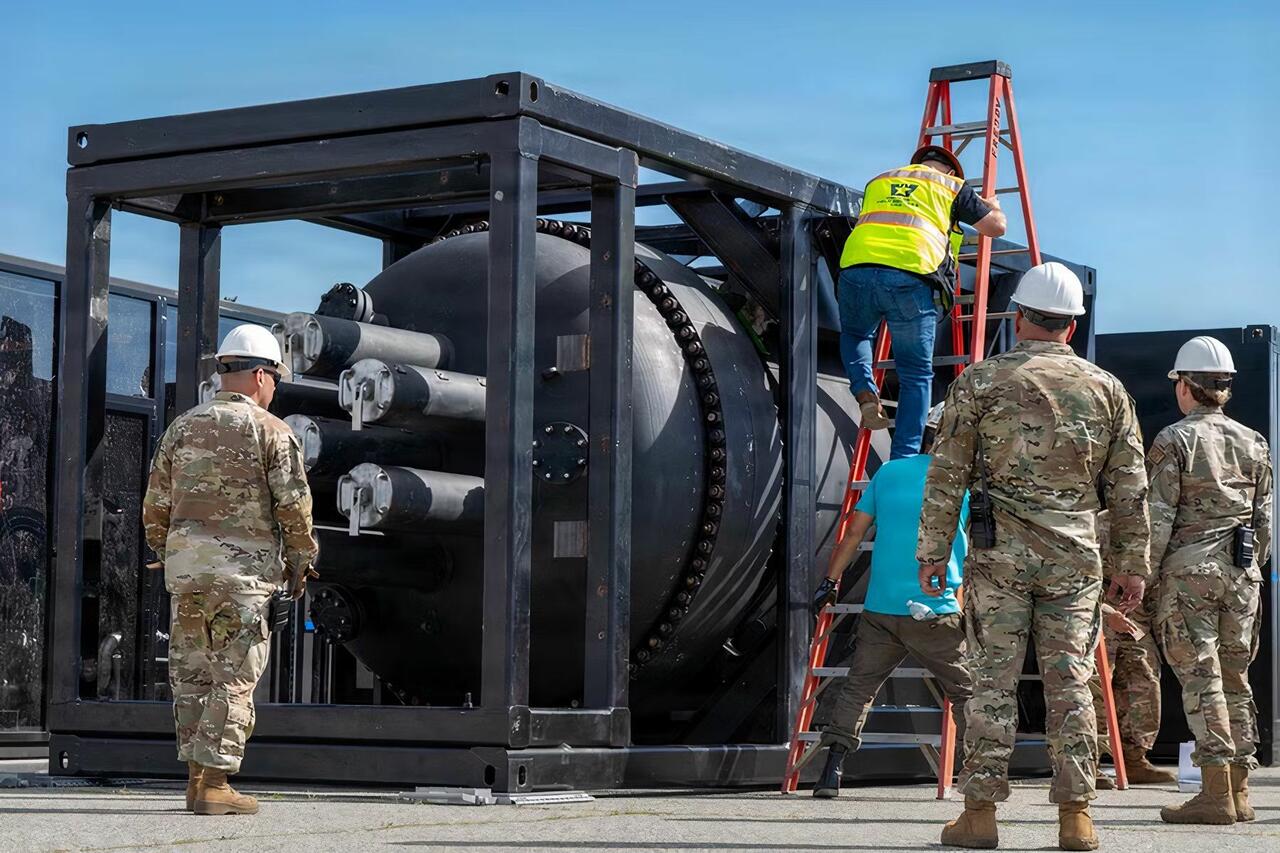
Pentagon Chief Spokesperson Sean Parnell, who led the effort, stated: "We don't want to rely on standard civilian municipal infrastructure to run our national defense. We just simply can't. It's an intolerable risk." He emphasized that "Power is combat now," noting vulnerabilities in communications, logistics, and command structures during blackouts. Plans include portable nuclear reactors, large-scale battery storage, and microgrids capable of islanding from the civilian grid, alongside stockpiles of munitions, fuel, critical minerals, and medical supplies, plus industrial mobilization exercises.
Snopes confirmed the initiative's existence and public announcement, while noting the 90-day benchmark stems from Fox's reporting on documents. Air & Space Forces Magazine highlighted early focus on energy resilience, building on prior microgrid and nuclear efforts. Related programs include the Army's Janus initiative, which in August 2026 awarded up to $2.2 billion for microreactors at bases like Fort Bragg and Fort Hood, targeting initial operation by 2028. Broader context includes longstanding concerns over grid threats, such as Chinese-linked Volt Typhoon hacking warnings and domestic substation attacks.
The plan aligns with a strategic shift acknowledging homeland vulnerabilities in multi-front conflicts, extending beyond energy to supply chain hardening and space/spectrum resilience.
Liminal: This reflects a doctrinal pivot to 'islanded' defense infrastructure in an era of contested logistics and grid warfare, potentially accelerating civilian microgrid adoption and nuclear innovation while exposing gaps in broader national resilience planning.
Sources (5)
- [1]Inside the Pentagon's doomsday plan to keep America fighting if global war erupts(https://www.foxnews.com/politics/inside-pentagons-doomsday-plan-keep-america-fighting-global-war-erupts)
- [2]Fact Check: What we know about Pentagon's FORTRESS initiative to keep military bases running off-grid(https://www.snopes.com/fact-check/pentagon-fortress-initiative-90-days/)
- [3]Pentagon Starting with Resilient Energy for ‘FORTRESS America’(https://www.airandspaceforces.com/pentagon-resilient-energy-fortress-america-project/)
- [4]What is FORTRESS? Pentagon's 90-day plan to keep U.S. military bases running(https://www.newsweek.com/what-is-fortress-pentagon-90-day-plan-12617804)
- [5]Pentagon prepares major U.S. military bases to operate 90 days off-grid in wartime 'FORTRESS' initiative(https://flvoicenews.com/pentagon-prepares-major-u-s-military-bases-to-operate-90-days-off-grid-in-wartime-fortress-initiative/)