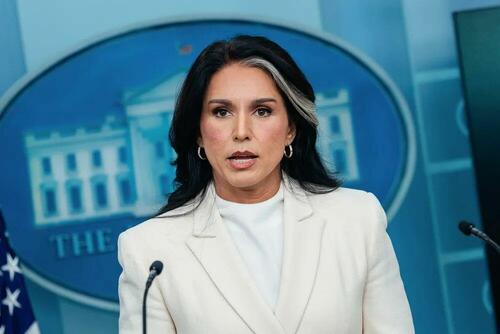
Tulsi Gabbard's DNI Resignation Highlights Internal Fractures in Intelligence Leadership
Though officially due to her husband's rare bone cancer diagnosis, Tulsi Gabbard's DNI resignation follows months of reported clashes with Trump over Iran policy, high-profile aide exits, and disputes with the CIA over sensitive documents. This departure risks disrupting her signature reforms on declassification, bureaucracy reduction, and government weaponization probes, exposing fractures between reformist outsiders and traditional intelligence leadership with lasting impacts on oversight and transparency.
Tulsi Gabbard announced her resignation as Director of National Intelligence on May 22, 2026, with her last day set for June 30. In a letter to President Trump, she cited her husband Abraham Williams' recent diagnosis with an extremely rare form of bone cancer as the reason for stepping away from the demanding role to support him during treatment. Trump acknowledged the departure on Truth Social, stating Gabbard had done an incredible job and that the administration would miss her, while naming Principal Deputy Director Aaron Lukas to serve in an acting capacity.
While the personal circumstances appear genuine and have drawn bipartisan well-wishes, the timing and context reveal deeper tensions within the intelligence community and Trump administration. Gabbard's roughly 18-month tenure was marked by aggressive pushes for transparency, including the declassification of more than half a million pages of documents, annual savings of over $700 million through bureaucracy reduction, the dismantling of DEI initiatives, and the creation of a Weaponization Working Group aimed at investigating government overreach. These efforts, however, created friction with both entrenched intelligence bureaucracy and more hawkish administration voices.
Just one week prior, controversy erupted when the CIA reportedly reclaimed approximately 40 boxes of sensitive documents from the ODNI, including materials related to the JFK assassination and MKUltra. Though Gabbard's team disputed characterizations of it as a 'raid,' the incident underscored ongoing battles over classification and historical accountability. This fits a broader pattern of internal fractures. As early as April 2026, reports indicated Trump had privately polled advisers on replacing Gabbard amid frustrations over her handling of Iran-related intelligence and her reluctance to fully align with the administration's more muscular foreign policy. A video she released warning against 'warmongers' and nuclear escalation reportedly incensed Trump, as did her Senate testimony questioning aspects of the Iran threat assessment.
These clashes were not isolated. Key allies exited under pressure: Joe Kent, a top aide and Director of the National Counterterrorism Center, resigned in March 2026 in protest of the administration's war in Iran, arguing there was no imminent threat justifying escalation. Similarly, Amaryllis Fox Kennedy, a Gabbard ally and RFK Jr. relative, stepped down from senior ODNI and OMB roles days earlier. Such departures signal rifts between anti-interventionist reformers brought in by Gabbard and traditional IC elements more comfortable with established power structures.
Gabbard's background as a former Democratic congresswoman turned Trump ally, selected precisely for her skepticism of the national security state, positioned her as an outsider challenging institutional inertia. Her reforms threatened policy continuity favored by career officials, particularly around declassification of sensitive historical files and oversight of potential weaponization. With Lukas, who has CIA ties, assuming acting duties, the momentum behind the Weaponization Working Group and aggressive transparency efforts may stall. This resignation, though framed personally, thus points to systemic vulnerabilities in sustaining heterodox leadership within the intelligence apparatus. The consequences could include diminished oversight, slower bureaucratic downsizing, and a reversion to more opaque practices—undermining the very continuity of reform Trump initially endorsed. As multiple officials cycle out, questions remain about the administration's ability to maintain coherent direction over America's sprawling 18-agency intelligence community.
IC Reform Analyst: Gabbard's exit will likely stall declassification and weaponization probes, enabling traditional bureaucracy to reclaim influence over intelligence oversight and policy direction.
Sources (5)
- [1]Tulsi Gabbard resigning as Trump’s intelligence chief(https://www.cnbc.com/2026/05/22/tulsi-gabbard-resigns-intelligence-trump-husband.html)
- [2]Tulsi Gabbard resigns as director of national intelligence(https://www.politico.com/news/2026/05/22/tulsi-gabbard-director-of-national-intelligence-resigns-00933872)
- [3]Tulsi Gabbard resigns as director of national intelligence(https://www.washingtonpost.com/national-security/2026/05/22/tulsi-gabbard-resigns-director-national-intelligence/)
- [4]Trump polled advisers about replacing Tulsi Gabbard as intelligence chief(https://www.theguardian.com/us-news/2026/apr/02/trump-tulsi-gabbard-intelligence-chief)
- [5]Top Tulsi Gabbard aide Joe Kent resigns over Iran war(https://thehill.com/homenews/administration/5787478-trump-aide-joe-kent-resigns-iran-war/)