Ozempic Pill Breakthrough: A Game-Changer for Type 2 Diabetes and Beyond
The new oral Ozempic pill for type 2 diabetes promises to improve adherence by addressing needle aversion, but questions remain about its efficacy compared to injectables. Beyond convenience, it ties into broader trends in obesity and cardiovascular health management, raising access and safety concerns not fully addressed in initial coverage.
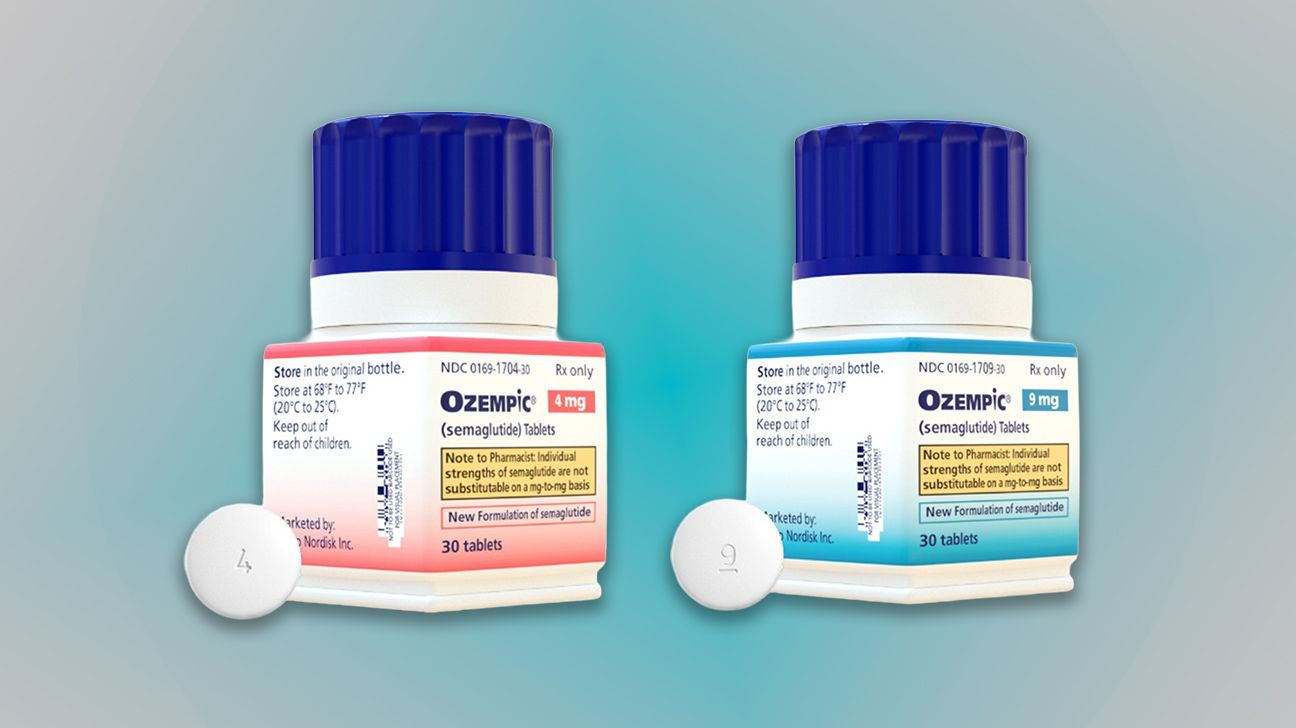
Novo Nordisk’s recent announcement of an oral tablet version of Ozempic, a GLP-1 receptor agonist, marks a significant advancement in type 2 diabetes management. Released on May 4, this reformulated pill—previously marketed as Rybelsus—offers doses of 1.5 mg, 4 mg, and 9 mg, providing an alternative to the weekly injectable form. While the original Healthline coverage emphasizes patient convenience and name recognition, it misses critical broader implications for metabolic health, adherence challenges, and systemic healthcare trends. This article delves into these overlooked dimensions, drawing on peer-reviewed research and industry context.
First, the oral formulation addresses a well-documented barrier to treatment adherence: needle aversion. Studies, such as a 2020 observational analysis in 'Diabetes Care' (n=1,200), suggest that up to 30% of patients with type 2 diabetes delay or avoid injectable therapies due to fear of needles or injection fatigue. The Ozempic pill could improve long-term adherence rates, a critical factor given that poor adherence contributes to over 40% of diabetes-related complications, per a 2018 meta-analysis in 'The Lancet Diabetes & Endocrinology.' However, the Healthline piece fails to note that oral GLP-1 drugs often have lower bioavailability compared to injectables due to gastrointestinal degradation, a point raised in a 2021 randomized controlled trial (RCT) in 'JAMA' (n=300) comparing Rybelsus to injectable semaglutide. While Novo Nordisk claims comparable efficacy, independent long-term data on the new formulation’s effectiveness is still pending, raising questions about whether convenience will come at the cost of outcomes.
Second, the Ozempic pill’s launch connects to a larger trend in metabolic health management: the convergence of diabetes and obesity treatment. GLP-1 agonists like semaglutide are increasingly prescribed off-label for weight loss, a use case not fully explored in the original coverage. The FDA’s approval of Wegovy (another Novo Nordisk semaglutide product) for weight management in oral form earlier this year signals a market shift toward dual-purpose therapies. A 2022 RCT in 'The New England Journal of Medicine' (n=1,961) demonstrated that semaglutide led to a 14.9% body weight reduction over 68 weeks in obese patients, highlighting its potential beyond glycemic control. Yet, this overlap raises ethical and access concerns—will diabetes patients face shortages as demand for weight loss applications surges, as seen with injectable Ozempic in 2022? Novo Nordisk’s conflict of interest as a for-profit entity pushing both indications must be scrutinized, especially given limited disclosure in the Healthline article about supply chain or pricing strategies for broader populations.
Finally, the cardiovascular benefits of semaglutide, briefly mentioned in the source, deserve deeper analysis. A landmark 2016 RCT, the SUSTAIN-6 trial (n=3,297), published in 'The New England Journal of Medicine,' showed a 26% reduction in major adverse cardiovascular events among high-risk type 2 diabetes patients using semaglutide. This positions the Ozempic pill as a potential tool for holistic chronic disease management, yet the lack of specific data on the oral form’s cardiovascular impact is a gap in current reporting. Additionally, the FDA’s recent scrutiny of rival Eli Lilly’s oral GLP-1 drug Foundayo for heart and liver risks (as noted in the source) underscores the need for long-term safety studies on all oral formulations—a nuance Healthline overlooks.
In synthesis, while the Ozempic pill offers undeniable convenience, its true impact hinges on unresolved questions of efficacy, access, and safety compared to injectables. The broader trend of GLP-1 drugs reshaping metabolic health care—spanning diabetes, obesity, and cardiovascular outcomes—suggests a paradigm shift, but only if equitable access and rigorous post-market surveillance are prioritized. As Novo Nordisk awaits approval for a 25-mg dose by 2026, patients and providers must weigh convenience against unproven long-term outcomes, a balance the original coverage did not critically assess.
VITALIS: The Ozempic pill could significantly boost treatment adherence for type 2 diabetes patients, but its long-term efficacy and impact on drug shortages due to off-label weight loss use remain uncertain.
Sources (3)
- [1]New Ozempic Pill Could Revolutionize Type 2 Diabetes Treatment(https://www.healthline.com/health-news/novo-nordisk-ozempic-pill-diabetes-treatment)
- [2]Semaglutide and Cardiovascular Outcomes in Patients with Type 2 Diabetes (SUSTAIN-6)(https://www.nejm.org/doi/full/10.1056/NEJMoa1607141)
- [3]Semaglutide for Weight Loss in Adults with Obesity(https://www.nejm.org/doi/full/10.1056/NEJMoa2032183)