US Strikes Near Strait of Hormuz Expose Fragile Ceasefire and Looming Global Energy Risks
US self-defense strikes near Hormuz following Iranian drone and mining activity highlight ceasefire fragility amid Trump’s uranium red lines and competing claims over a draft peace framework, risking major disruption to global oil transit.
Recent US military actions in southern Iran, including strikes on missile sites and vessels near the Strait of Hormuz, underscore the precarious balance between ongoing diplomatic efforts and the potential for renewed full-scale conflict. According to multiple reports, the United States conducted what it described as 'self-defense strikes' after intercepting Iranian drones and observing activities including speedboats attempting to mine the waterway and heightened missile site operations. These incidents occurred east of Bandar Abbas, triggering brief activation of Iranian air defenses amid explosions reported in the early morning hours.
The strikes come as President Trump has publicly maintained a hardline stance in negotiations, rejecting sanctions relief tied to Iran relinquishing highly enriched uranium and stating that Tehran is 'negotiating on fumes.' During a cabinet meeting, Trump emphasized that the Strait of Hormuz must reopen immediately to all traffic under any framework deal, warning that the US would maintain oversight and even threatened action against Oman if necessary. The White House has also dismissed Iranian state media claims about the contents of a draft Memorandum of Understanding as a 'complete fabrication.'
Mainstream coverage often frames these US actions as defensive responses to Iranian provocations during a fragile ceasefire established in April 2026, following months of aerial campaigns that damaged Iranian infrastructure including Tabriz International Airport (now reportedly reopened alongside 19 others). However, the pattern reveals deeper tensions: Iran's IRGC has issued strong warnings of turning the region from Chabahar to Mahshahr into a 'graveyard for aggressors' should the truce collapse, while continuing to assert influence over the vital waterway. CENTCOM statements suggest Iran is hedging bets and applying pressure even as talks proceed.
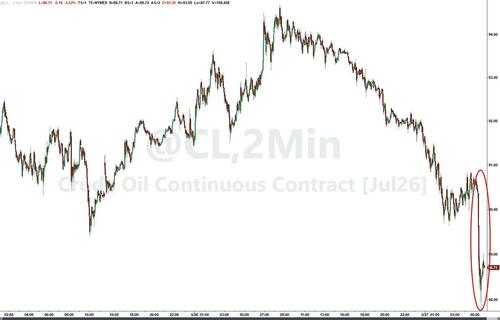
This escalation carries outsized implications for global energy flows. The Strait of Hormuz typically carries one-fifth of global oil and gas supplies; its repeated disruption has already driven oil price volatility, contributed to inflation spikes, and triggered economic ripple effects worldwide. Trump's references to an 'economic war' as the primary battleground align with Iranian statements, yet connections between sporadic strikes, stalled nuclear concessions, and control of this chokepoint are frequently softened in reporting. The resumption of limited US operations, even labeled as targeted and defensive, risks miscalculation that could draw in additional actors or unravel negotiations entirely. Reports indicate a potential permanent peace framework targeted for June 30, 2026, but with both sides trading accusations of violations and maintaining maximalist positions on uranium enrichment and waterway governance, optimism appears cautious at best.
Deeper analysis shows mainstream outlets often delay or contextualize these incidents within 'self-defense' narratives, underplaying how they signal a broader contest for dominance in West Asia that extends beyond immediate tactical threats to commercial shipping. With airports reopening and rhetoric oscillating between optimism and threats, the situation remains highly fluid, posing ongoing risks to energy security and regional stability.
LIMINAL: These repeated 'defensive' strikes around Hormuz reveal that control of energy chokepoints remains the decisive leverage, making any near-term peace deal fragile and likely to yield renewed economic shocks from oil disruptions far beyond what mainstream delay tactics acknowledge.
Sources (6)
- [1]U.S. Said to Have Observed Series of Iranian Threats Before Strikes(https://www.nytimes.com/2026/05/26/world/middleeast/us-iran-strikes.html)
- [2]US launches new strikes on Iran, targeting missile sites and boats(https://www.bbc.com/news/articles/cvgzzn4y1n8o)
- [3]Trump says Iran deal 'largely negotiated' including reopening Strait of Hormuz(https://www.bbc.com/news/articles/crmp121z3z8o)
- [4]US carries out 'self-defense strikes' around the Strait of Hormuz(https://www.cnn.com/2026/05/26/world/video/marco-rubio-india-iran-war-negotiations-mike-valerio-digvid)
- [5]U.S. strikes two Iranian-flagged ships as tensions rise amid ceasefire(https://www.washingtonpost.com/national-security/2026/05/08/us-iran-ceasefire-hormuz-attacks/)
- [6]WATCH: In Cabinet meeting, Trump says Iran 'negotiating on fumes'(https://www.pbs.org/newshour/politics/watch-live-trump-holds-cabinet-meeting-during-negotiations-to-end-the-iran-war)