From Uranium to Algorithms: Paducah's $100B AI Energy Hub Signals a New Era of American Infrastructure
Credible DOE and major media reports confirm the $100B Paducah AI data center and power project on the former nuclear site, highlighting repurposing of Cold War infrastructure for AI energy needs amid U.S. tech-geopolitical priorities.
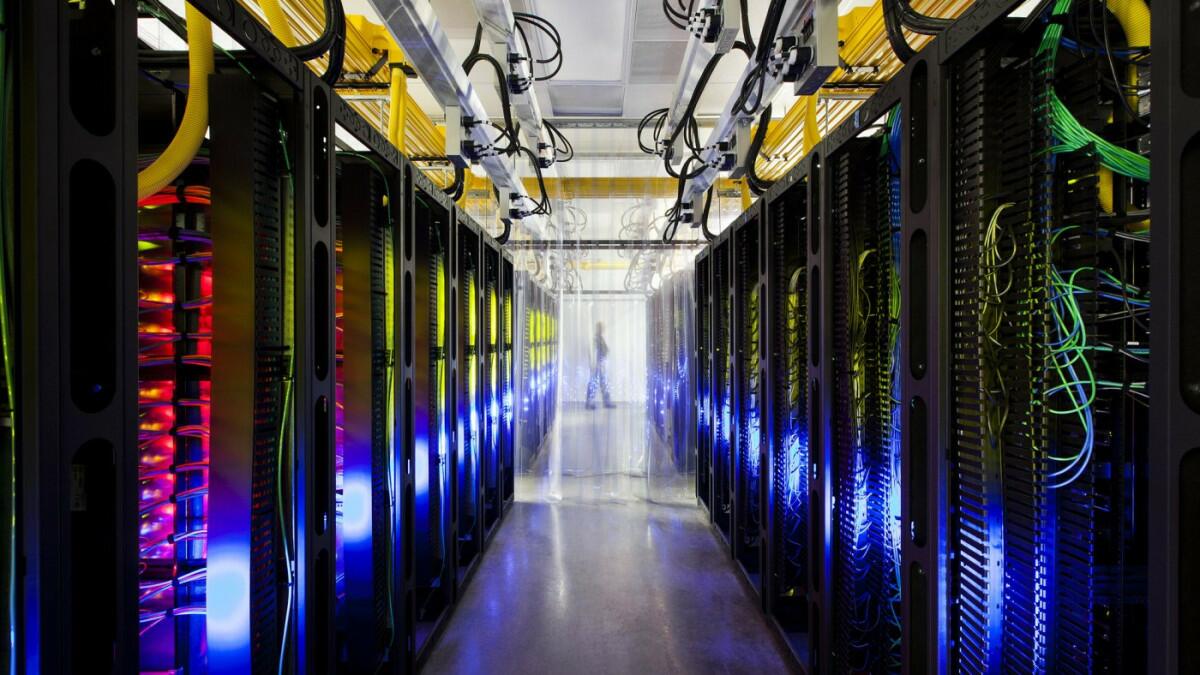
The U.S. Department of Energy's July 29, 2026 announcement marks a pivotal redevelopment of the former Paducah Gaseous Diffusion Plant in western Kentucky—a sprawling 3,556-acre Cold War-era site once central to uranium enrichment for nuclear weapons and reactors—into the Paducah American Energy Hub. This privately funded project, exceeding $100 billion, pairs Brookfield Asset Management's development of a 1.8 GW AI and high-performance computing campus with NextEra Energy's construction of up to 2 GW of natural gas generation and 2.6 GW of battery storage, backed by local utilities like Big Rivers Electric and Jackson Purchase Energy Cooperative. Expected to yield 8,000 construction jobs and 600 permanent roles, with phased operations targeted for 2028–2032, the initiative leverages existing transmission, fiber, and water infrastructure while committing to excess power export to the grid and closed-loop cooling to minimize environmental impact—contrasting sharply with the original plant's massive water draw.
This transformation extends beyond energy reuse. It embodies a strategic pivot in U.S. policy under the American Energy Hubs initiative, converting legacy DOE liabilities into engines for AI dominance amid global competition with China. The site's selection followed a November 2025 Request for Offers, underscoring federal efforts to accelerate private investment on remediated lands without taxpayer funding for core development. Geopolitically, it aligns with broader pushes like Stargate for hyperscale AI infrastructure, though Paducah emphasizes dedicated, ratepayer-neutral power to address surging electricity demands. Historically, the Paducah site's shift from weapons-grade production (operations ceased 2013) to innovation hub illustrates societal reconfiguration of industrial legacies, potentially catalyzing regional economic revitalization while raising questions about long-term grid integration and hyperscaler adoption in a market wary of concentrated tech debt.
Critics note the absence of a named anchor tenant at announcement, highlighting execution risks, yet proponents, including Energy Secretary Chris Wright and Rep. Andy Barr, frame it as a model for turning federal assets into competitive advantages in the AI race.
[Brookfield/NextEra]: The project could anchor a new class of hybrid energy-AI campuses, accelerating U.S. compute capacity while testing scalable models for excess power sharing that reshape regional grids and attract further private capital to legacy sites.
Sources (6)
- [1]Energy Department Announces Partnership to Expand Reliable, Affordable Energy Access and Power America’s AI Future in Western Kentucky(https://www.energy.gov/articles/energy-department-announces-partnership-expand-reliable-affordable-energy-access-and-power)
- [2]Brookfield and NextEra to build $100bn AI campus on ex-nuclear weapons site(https://www.ft.com/content/7a33e045-57c0-4cf7-bb1b-a7f4ecdc1e30)
- [3]NextEra, Brookfield to Build $100 Billion Data Center Campus(https://www.energyconnects.com/news/utilities/2026/july/nextera-brookfield-to-build-100-billion-data-center-campus/)
- [4]New energy campus and hyperscale data center in Paducah(https://www.kentucky.com/news/business/article316684030.html)
- [5]NextEra, Brookfield to Build $100 Billion Kentucky Data Campus(https://finance.yahoo.com/energy/articles/nextera-brookfield-build-100-billion-110000074.html)
- [6]NextEra and Brookfield plan $100 billion AI data center in Kentucky(https://qz.com/nextera-brookfield-ai-data-center-kentucky-paducah-072926)