Middle East Strikes Send Oil Surging Toward $100, Priming Pump Price Shock and Consumer Backlash
US-Iran strikes involving Qeshm Island and Kuwait have driven oil prices over $98/barrel, setting up higher US gasoline costs within months and predictable public anger that could fuel political division over energy and foreign policy.
Overnight escalation between the United States and Iran has triggered immediate market reactions, with Brent crude climbing above $98 per barrel as hostilities flared across the Persian Gulf. US Central Command confirmed self-defense strikes targeting a military ground control station on Iran's Qeshm Island following Iranian drone and missile barrages that struck Kuwait International Airport, killing one person and injuring dozens more. Similar incidents were reported involving Bahrain, Saudi Arabia, and the UAE, according to multiple outlets tracking the fragile ceasefire breakdown. This marks one of the most intense exchanges since peace talks began earlier in 2026.
The oil price surge, extending gains from prior sessions, reflects fears of disrupted supply through the Strait of Hormuz, a chokepoint carrying nearly a fifth of global oil. Reuters reported Brent futures rising more than 2% to $98.02, while WTI climbed similarly, hitting levels not seen in recent weeks. Mainstream coverage from CNN, BBC, and The Washington Post contextualizes these moves as direct responses to Iranian retaliation against US and allied targets, with CENTCOM stating Iranian attacks were largely defeated but still caused tangible damage and casualties.
What markets are pricing in today will hit consumers tomorrow. Rising crude benchmarks typically take 4-12 weeks to fully filter through refining, distribution, and retail margins, meaning American drivers could face gasoline prices climbing toward or past $4 per gallon by late summer or early fall. This lag creates a predictable yet under-discussed pattern: immediate Wall Street volatility followed by delayed Main Street pain. The connection others often miss is how this cycle exacerbates existing inflationary scars from prior energy shocks, compounding pressures on transportation-dependent sectors, food prices, and household budgets already strained by post-pandemic recovery. Treasury yields rose in tandem with oil, signaling bond market concerns over renewed inflation that could complicate Federal Reserve policy.
Deeper still, these events illuminate the recurring geopolitical premium embedded in energy markets. Renewed US-Iran friction, even under a nominal ceasefire, reveals the fragility of global energy security when concentrated in one volatile region. Historical parallels suggest such spikes frequently ignite public anger at the pump, manifesting in viral social media outrage, roadside protests, congressional hearings, and politicized debates over foreign entanglements versus domestic energy production. For working families, the jump from abstract geopolitical headlines to tangible weekly budget hits often catalyzes broader skepticism of elite risk-taking in the Middle East. While certain defense and energy equities may benefit short-term, the broader economic drag from sustained higher input costs risks slowing growth narratives and amplifying calls for strategic energy independence.
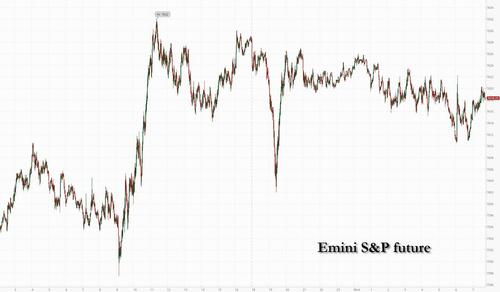
Equity futures showed resilience in tech but weakness in cyclicals outside energy, underscoring selective market responses. Yet the human dimension looms larger: as gas prices rise in the months ahead, expect intensified debate over Washington's Middle East posture, potential windfall taxes or subsidies, and whether current hostilities represent genuine self-defense or escalation traps with decades-long precedents.
LIMINAL: Oil prices rising immediately from Middle East hostilities means higher gas costs at the pump within months, sparking instant anger and debate.
Sources (5)
- [1]Oil extends gains as Middle East hostilities flare(https://www.reuters.com/business/energy/oil-prices-rise-new-middle-east-hostilities-flare-talks-stall-2026-06-03/)
- [2]Kuwait's airport attacked as fresh Iran-US strikes strain ceasefire(https://www.cnn.com/2026/06/02/world/live-news/iran-trump-israel-lebanon-war-intl-hnk)
- [3]US and Iran launch new strikes, as Kuwait says airport hit(https://www.bbc.com/news/articles/c5yx135yg53o)
- [4]Iranian attack leaves 1 dead, dozens injured in Kuwait(https://www.washingtonpost.com/world/2026/06/03/us-iran-trade-strikes-kuwait-airport-hit-amid-stalled-peace-talks/)
- [5]Oil Prices Jump as Middle East Tensions Build(https://www.nytimes.com/2026/06/01/business/energy-environment/iran-war-oil-prices.html)