Romania's Cyber Siege: Quantifying Russia's Sustained Hybrid Assault on NATO's Eastern Flank
Romania's admission of thousands of daily Russian cyberattacks highlights an under-quantified hybrid warfare campaign targeting NATO states supporting Ukraine, exposing strategic gaps in mainstream coverage and alliance readiness.
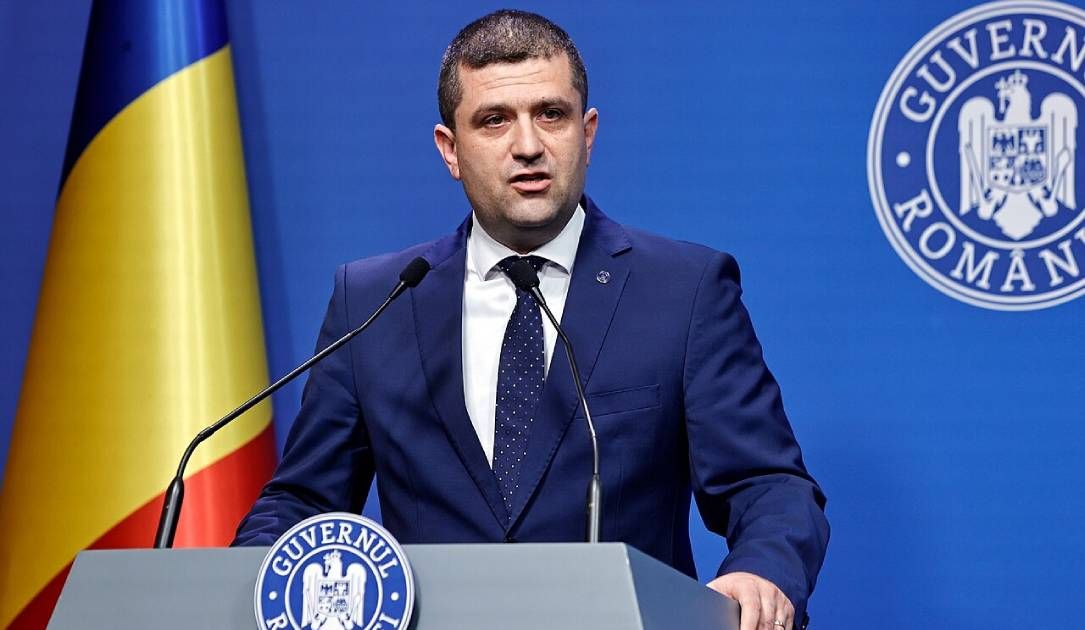
Romania's Defense Minister Radu Miruta has disclosed that government institutions face thousands of cyberattack attempts daily, the majority attributed to Russian actors. This rare public quantification reveals the grinding reality of hybrid warfare against NATO states actively supporting Ukraine. While the original Record article reports the minister's comments, it treats the disclosure as a standalone data point, missing the deeper strategic pattern and its implications for alliance resilience.
The intensity described aligns with a documented surge in Russian cyber operations since the 2022 full-scale invasion. Synthesizing the primary reporting with Microsoft's 2023 Digital Defense Report, which tracked expanded activity by groups such as APT28 (Fancy Bear) and APT29 against European government targets, and the ENISA 2023 Threat Landscape report noting a 25% rise in state-sponsored incidents against EU members, a clear campaign architecture emerges. These are not opportunistic probes but persistent efforts to gather intelligence on logistics routes, test defensive response times, and impose resource costs on frontline states.
Original coverage overlooked Romania's specific strategic value: its Black Sea coastline, hosting of NATO's multinational battlegroup, and role as a transit hub for Western military aid to Ukraine. Similar unreported or under-emphasized patterns have appeared in Lithuania, Estonia, and Poland, where pro-Russian hacktivist groups like Killnet coordinated DDoS campaigns timed with major Ukrainian battlefield developments. Mainstream reporting frequently fails to connect these daily low-level attacks to potential masking of higher-end intrusions targeting classified defense networks or energy infrastructure.
This campaign exemplifies Russia's calibrated hybrid doctrine: applying continuous pressure below the Article 5 threshold to erode political will and divert national security budgets. The public admission itself may be intended to signal to Moscow that Bucharest recognizes the source while avoiding escalation that could justify further retaliation. As the Ukraine conflict enters a war of attrition, such quantified cyber pressure is likely to spread to additional NATO states providing long-range systems or training facilities.
NATO's collective cyber defense posture, while improved since 2016, still lacks the integrated real-time attribution and automated sharing mechanisms needed to counter a state actor treating cyber as a permanent operational domain. Romania's disclosure should serve as both warning and benchmark for more transparent allied reporting.
SENTINEL: Romania's disclosure of thousands of daily Russian cyberattacks provides rare metrics on the hybrid pressure campaign against NATO's eastern flank, signaling that sustained cyber operations will remain a core Russian tool for weakening Ukraine support without triggering direct military response.
Sources (3)
- [1]Primary Source(https://therecord.media/romania-cyberattacks-russia-defense-minister)
- [2]Microsoft Digital Defense Report 2023(https://www.microsoft.com/en-us/security/security-insider/russian-state-sponsored-cyber-threats)
- [3]ENISA Threat Landscape 2023(https://www.enisa.europa.eu/publications/enisa-threat-landscape-2023)